
Blowhard, Esq. writes:
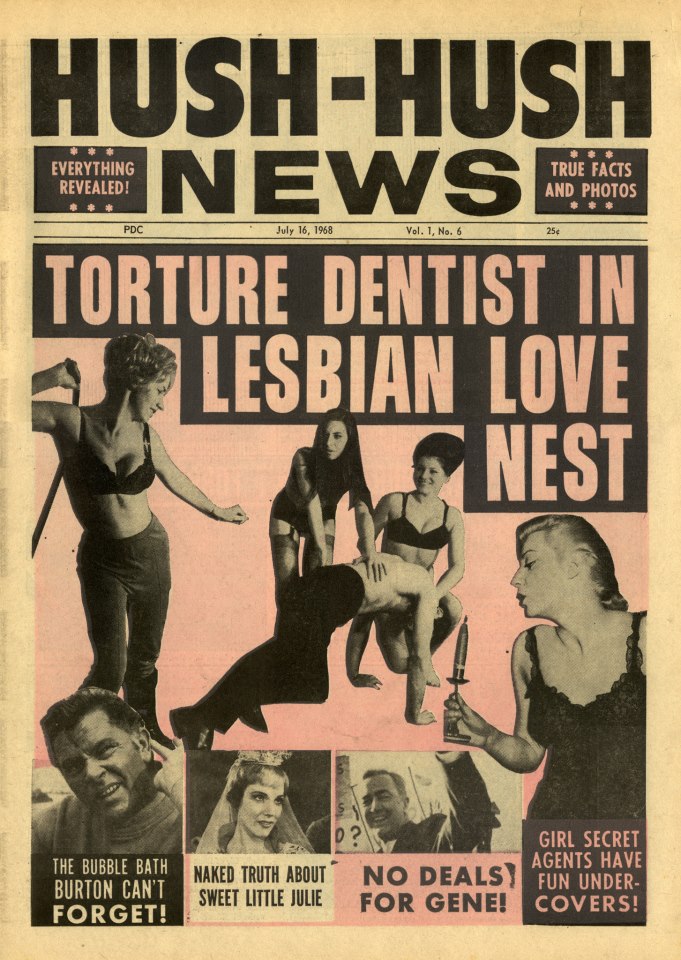
Click on the image to enlarge.
Blowhard, Esq. writes:
Click on the image to enlarge.
Fabrizio del Wrongo writes:
Glynn Marshes writes:
n. A tattoo that looks like you let one of your teenage girlfriends write on you with a pen.


Eddie Pensier writes:
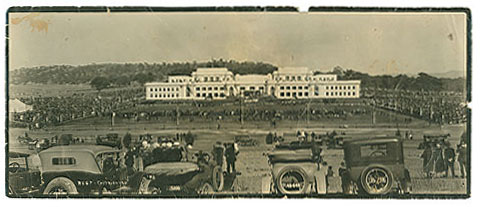
Old Parliament House, Canberra, 1927.
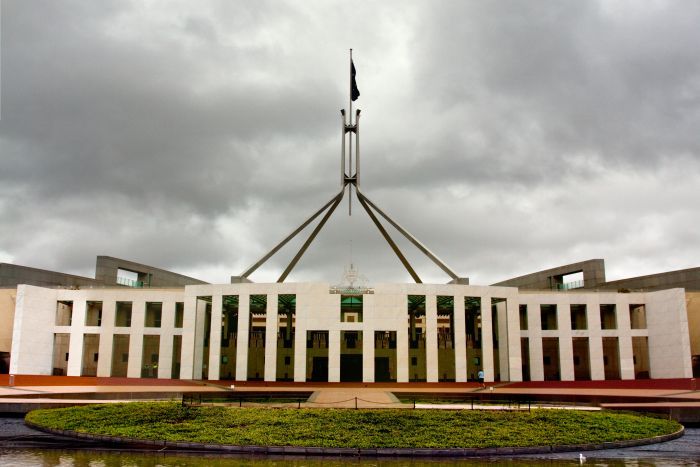
Current Parliament House.
Blowhard, Esq. writes:
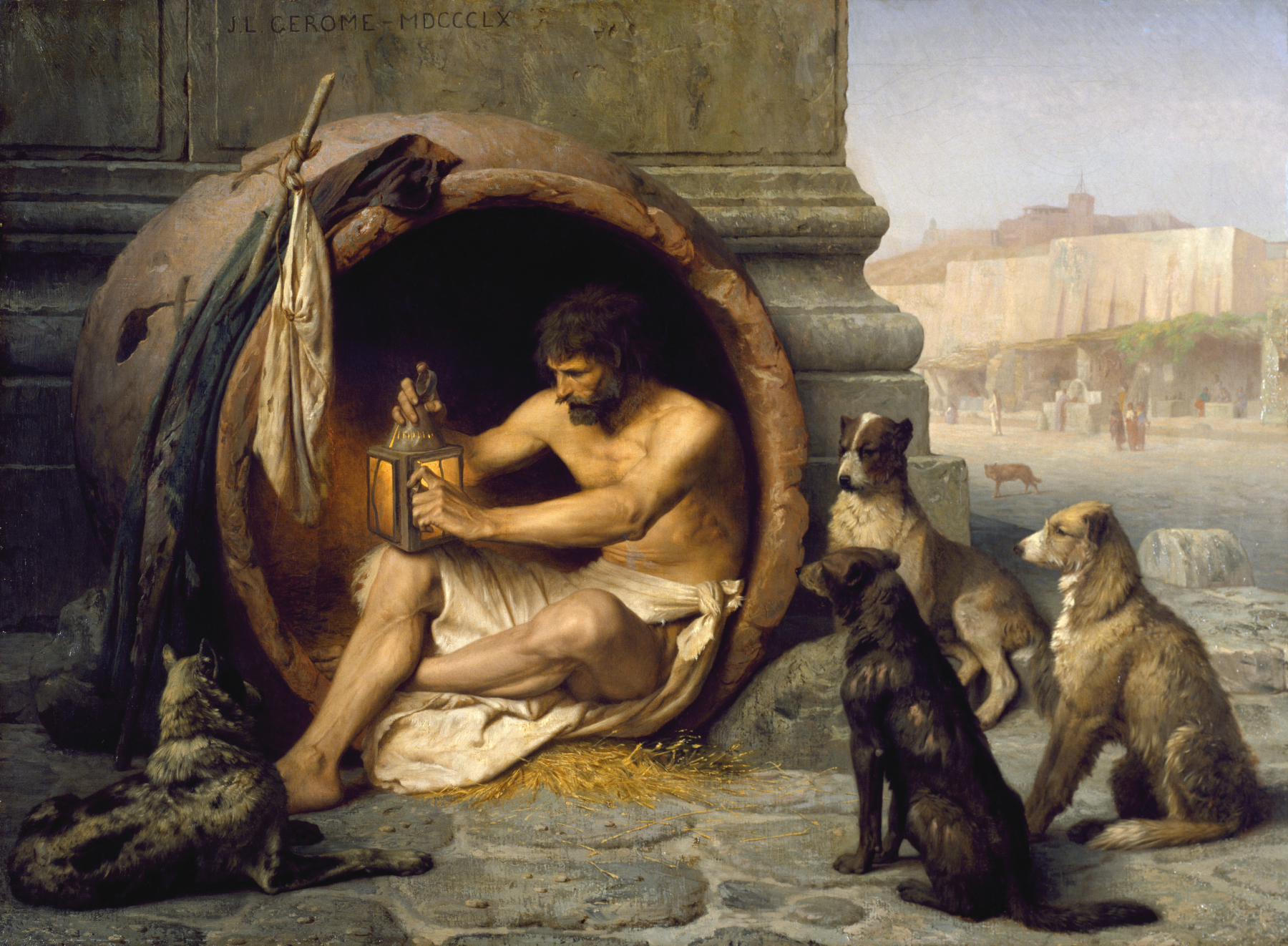 Jean-Léon Gérôme, “Diogenes,” 1860
Click on the image to enlarge.
Fabrizio del Wrongo writes:

Norma Shearer has killed our grandmothers. She has killed what they stood for. She has murdered the old-time Good Woman. She has cremated the myth that men will never marry ‘that kind of woman.’ She has abolished ‘that kind of woman.’ There remain – free souls.
— Motion Picture Magazine, 1932
Eddie Pensier writes:

…Shirley Temple Black (1928-2014)
Blowhard, Esq. writes:
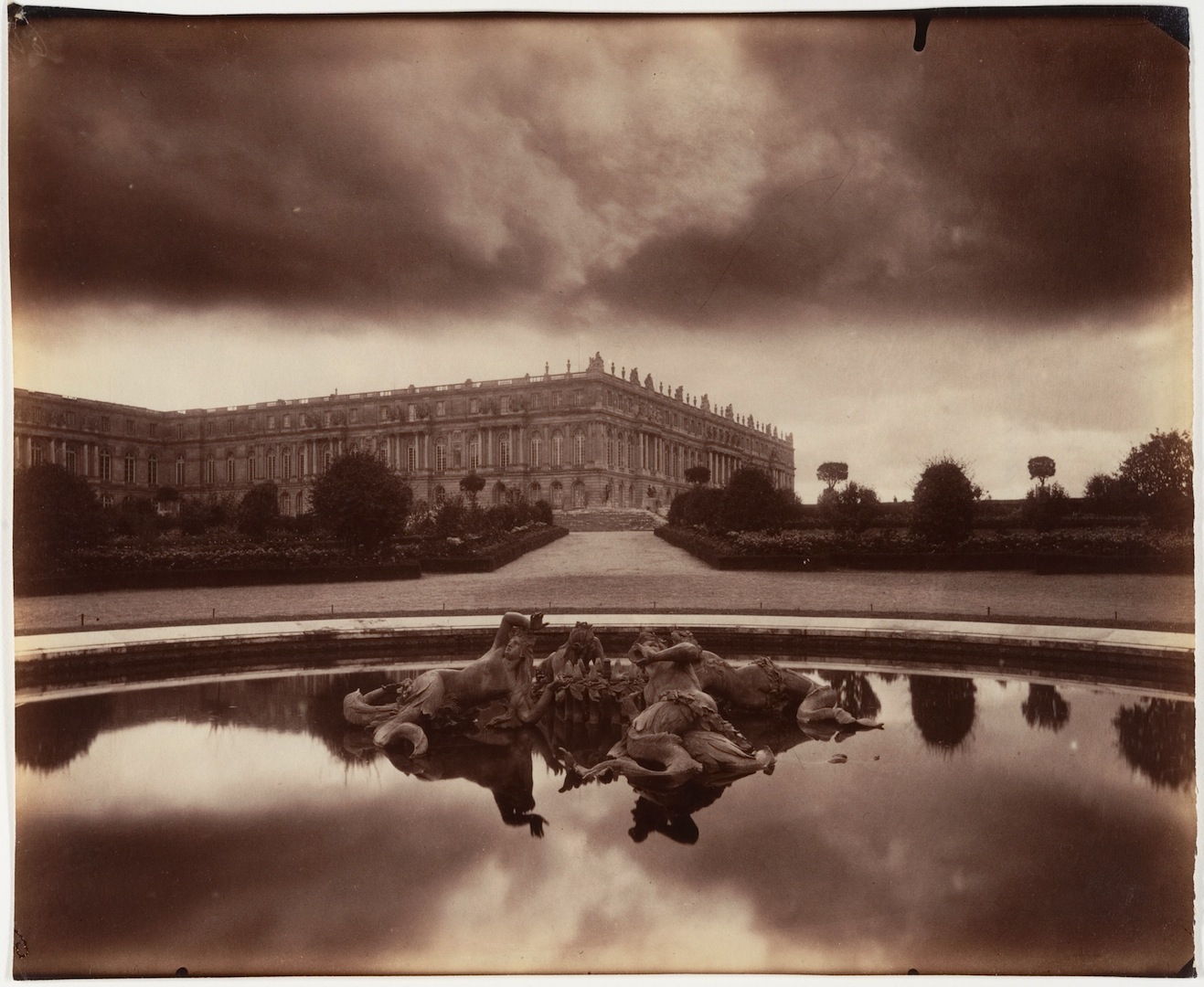 Eugène Atget, Le Château, fin Octobre, le soir, effet d’orage, vue prise du Parterre du Nord, 1903
Click on the image to enlarge.
Eddie Pensier writes:
Re-reading this post from last November at Sasha’s blog:
Not long ago, I was wondering at how some words got to have two opposite meanings. There were two I knew of immediately: sanction, which means both “to allow” and “to prohibit”; and peer, which means both one’s equal (“a jury of one’s peers”) and one’s superior (“a peer of the realm”).
Much pondering gave me some other examples:
first degree which is the worst sort of murder but the least worst sort of burn;
handicap, which can mean an advantage, or a disadvantage;
to lease, offering something for rent or being the one who rents it;
and strike, either to hit something or (in baseball) to not hit something.
Off the top of my head I came up with two others: seed, either to add seeds to something (“seeding a field”) or to remove seeds from something (“seeding a lemon”); and similarly, dust, to remove dust (“dusting the shelves”) or add it (“dust the cake with powdered sugar”).
If that’s not confusing enough for you, here’s a list of 75 other self-contradicting words and terms. Not all of them are exact opposites, but they’re illustrative of the greater point that the English language is greater and stranger than any of us realize.
Readers, what are some of your favorite English quirks?
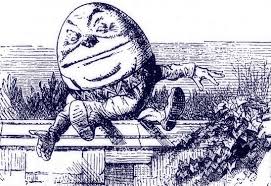
‘When I use a word,’ Humpty Dumpty said in rather a scornful tone, ‘it means just what I choose it to mean – neither more nor less.’ Illustration by Jon Tenniel.

 Blowhard, Esq.
 Callowman
 Sherbrooke
 Eddie Pensier
 Enzo Nakamura
 Epaminondas
 Fabrizio del Wrongo
 Fenster
 Brundle Guy
 Glynn Marshes
 Paleo Retiree
 Atypical Neurotic
 Question Lady
 Sax von Stroheim
 Sir Barken Hyena
 The Mistaken
