
Blowhard, Esq. writes:
 Caravaggio, The Seven Works of Mercy, 1607
Click on the image to enlarge.
Fabrizio del Wrongo writes:
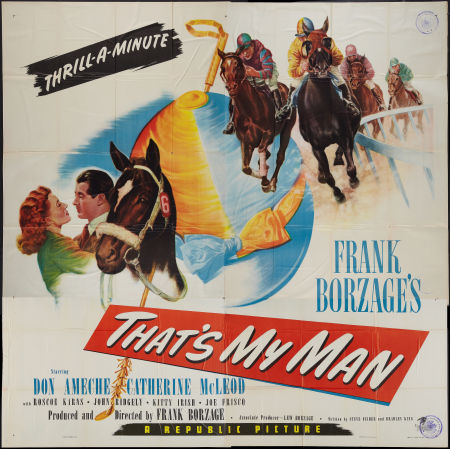
This late Frank Borzage picture is about a compulsive gambler (Don Ameche) whose mojo is all bound up with the fate of a thoroughbred that he raises from a colt. Borzage and screenwriters Steve Fisher and Bradley King treat Ameche’s failings tenderly: his gambling is an extension of his pride — his belief in his own worth — and even when he’s acting like a jerk you understand what it is that’s driving him. It helps that Ameche treats the horse, which is named Gallant Man, so, well, gallantly: he continually goes out of his way to spare the animal the humiliations that he so readily takes upon himself. (The horse is a projection of Ameche’s noblest instincts, a proxy for the part of himself that he won’t allow to be hurt or sullied.) As you’d expect of a movie made by Borzage, “That’s My Man” is lovingly directed, and several scenes have the self-contained quality of a good piece of music. Of particular note are Ameche’s wedding night with bride Catherine McLeod, which is set in a shabby hotel room overlooking a twinkling amusement park (shades of “7th Heaven”), and a relaxed introductory sequence in which the couple meet cute while attempting to arrange overnight lodging for the young Gallant Man. The latter sequence, wherein the kick-happy colt destroys McLeod’s China while Ameche slyly romances her, plays like very serene screwball comedy. The end is predictable enough, and much of the summing-up dialog is woeful in its let-me-tell-you-what-you’ve-just-seen obviousness, yet there’s satisfaction in watching Borzage draw up the threads of his story and make a neat bow of them.
Related
Glynn Marshes writes:
That is to say, post 9-11.
These are no Country Joe McDonald call-to-action polemics. On the contrary, here we have reflectiveness; meditations on the reasons for and cost of war; personal narrative.
All come from the indie folk/bluegrass/country side of the musical spectrum.
The Civil War Battle of Nashville from the perspective of a tree — a mournful song that brings to mind Americana land’s “beautiful sadness” that Robbie Robertson captured in The Night They Drove Old Dixie Down — although Sticks reflects on the tragedy of Union as well as Confederate suffering.
Colors flew high and they danced in the sky
As I watched them come over the hill;
Then to my wonder, sticks that made thunder
Such a great number lay still.Those that have fallen come when I call them
And answer the best that they can,
But all they can see is what they used to be
And that’s all that they understand.
Paleo Retiree writes:
Fun keeping track of body language, both in real life and in the media. Gestures and postures really do change over time. Think, for instance, of all the ways people have of interacting with their smartphones. We take these postures and ways-of-behaving for granted now, but 15 years ago they weren’t even a small part of our lives.
Another set of gestures and postures that we now accept as a routine part of normal is the foreshortened hand/fist/thing-you’re-holding. I think of it as the “comin’ at ya” or “yo!” gesture. It’s very prominent in ads; I observe variants of it in real life nearly every day too. Here’s a small sampling.



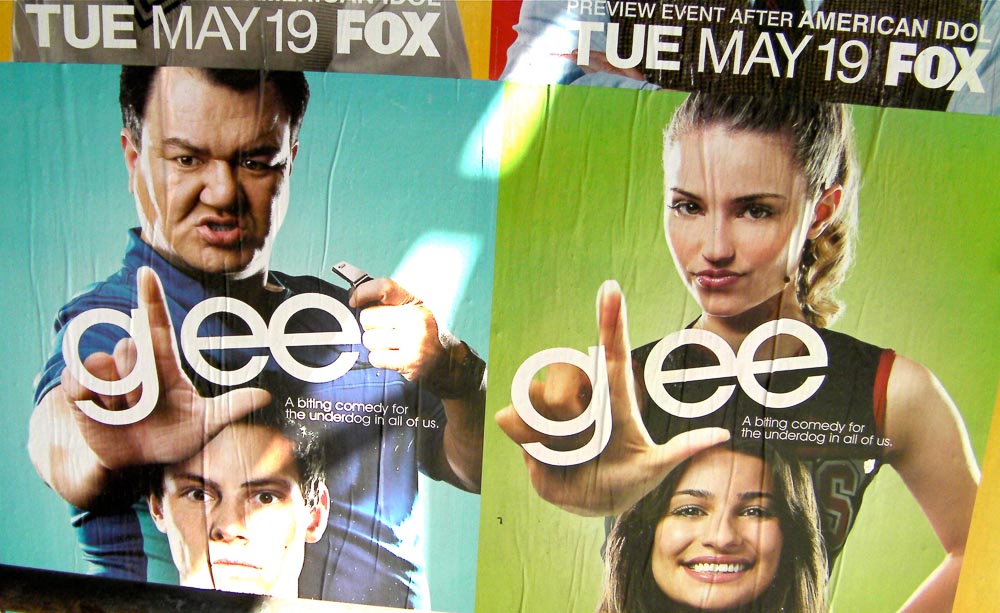
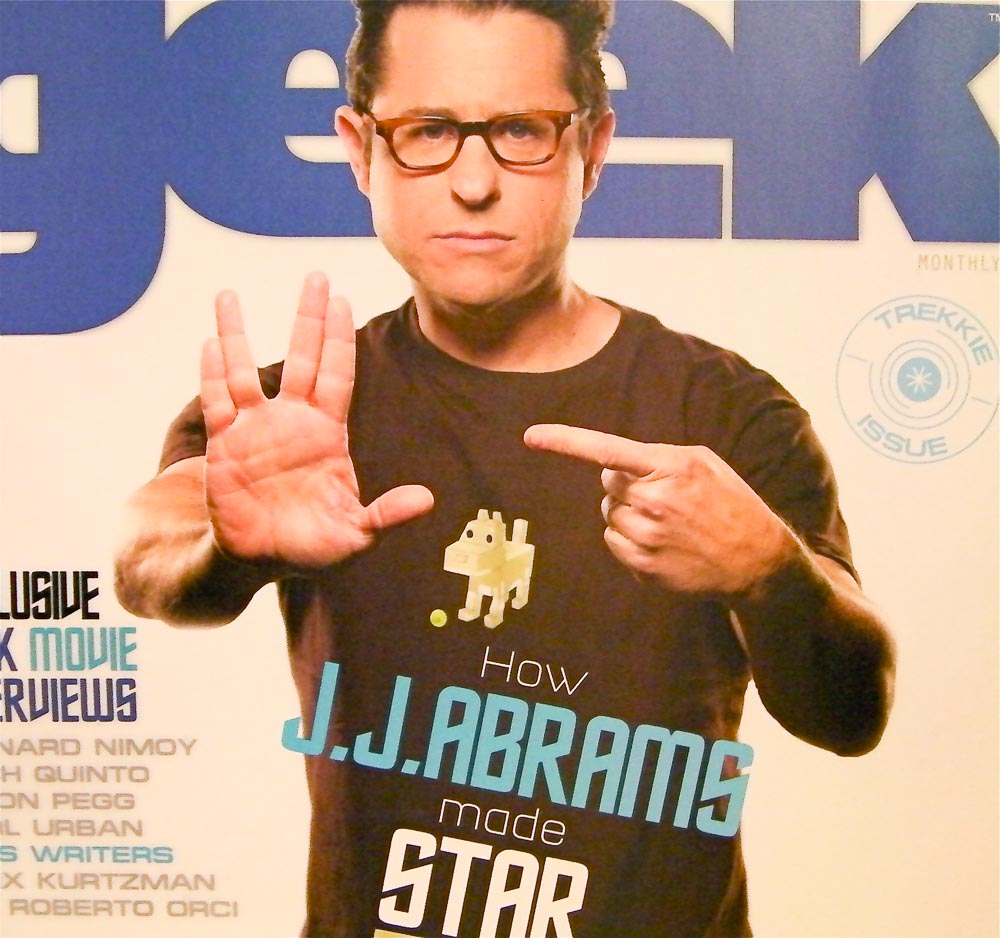
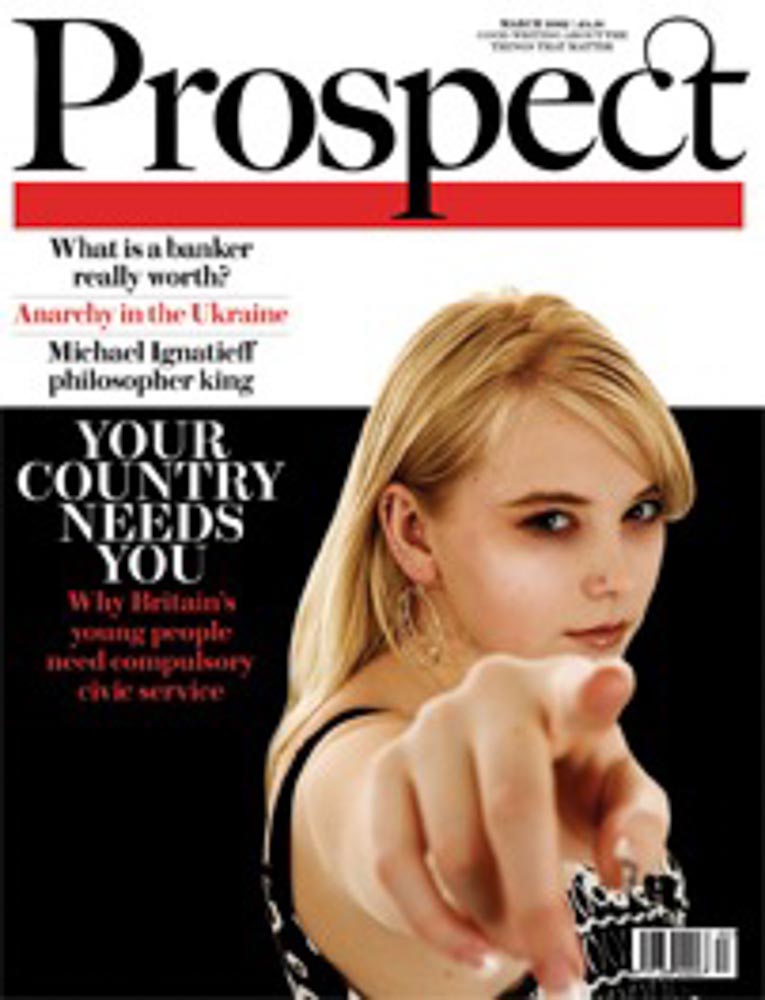

For a little while T-Mobile was using the gesture as an ongoing theme in their ads:


This gesture is such a common part of today’s visual language that it can be hard to remember that playing the in-your-face card wasn’t always considered an attractive thing.
Where does the move come from? My theory is that it has to do with four main influences. The first is the commonplaceness of video. As people horse around with video cameras, it seems to be a common — and for all I know a natural — thing for people to try to dominate and aggress towards the video lens — to attack it as though trying to crawl inside it. The second is video games. Cartwheeling, disorienting changes in scale and perspective seem to be the expected thing in videogames. (Why? I have no idea.) The third is the increasing miniaturization of everything. As devices and cards and such become smaller, how else to make them prominent, let alone to emphasize that they’re bursting with power, glamor and desirability?
The fourth is hiphop. Now this is a subject I know next to nothing about. Don’t like the music (though I recognize the talent); find the styles occasionally amusing but often repellant; can’t help feeling appalled by a lot of the vulgarity and aggressiveness … I’ve largely avoided hiphop. But I’m semi-aware that kids who are into hiphop like making lurching, alarming gestures and throwing their hands around as though they’re half gang member and half boxer.
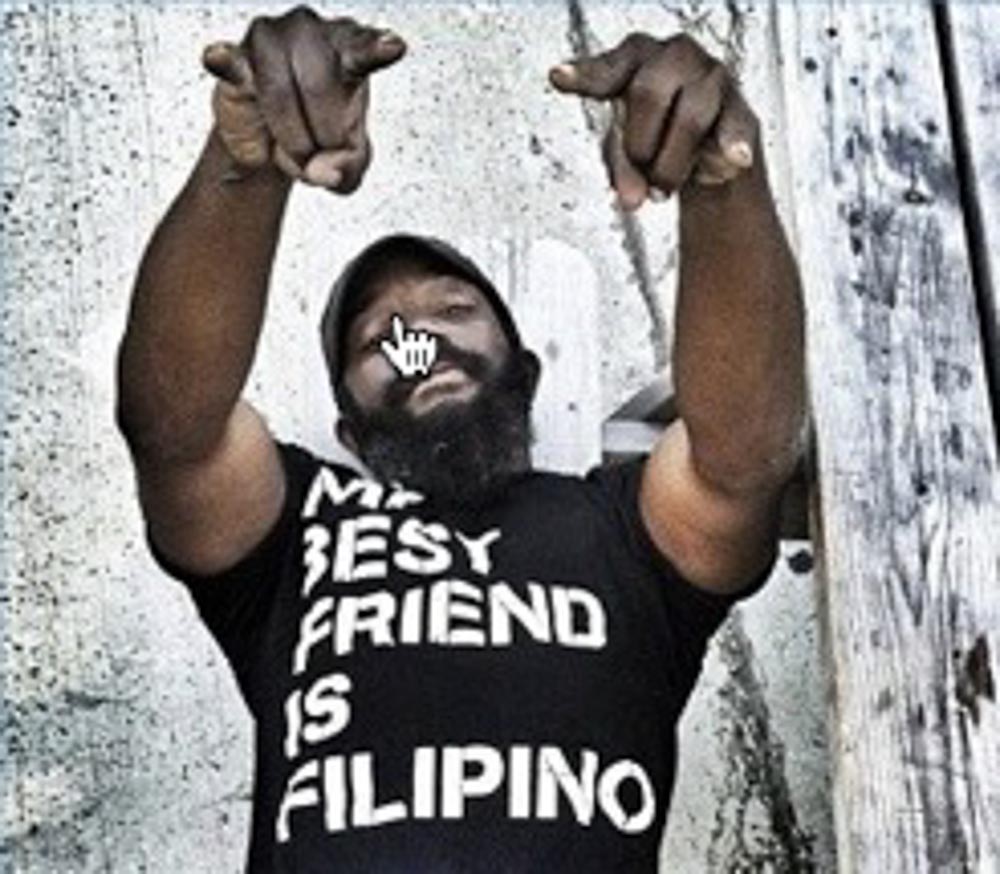
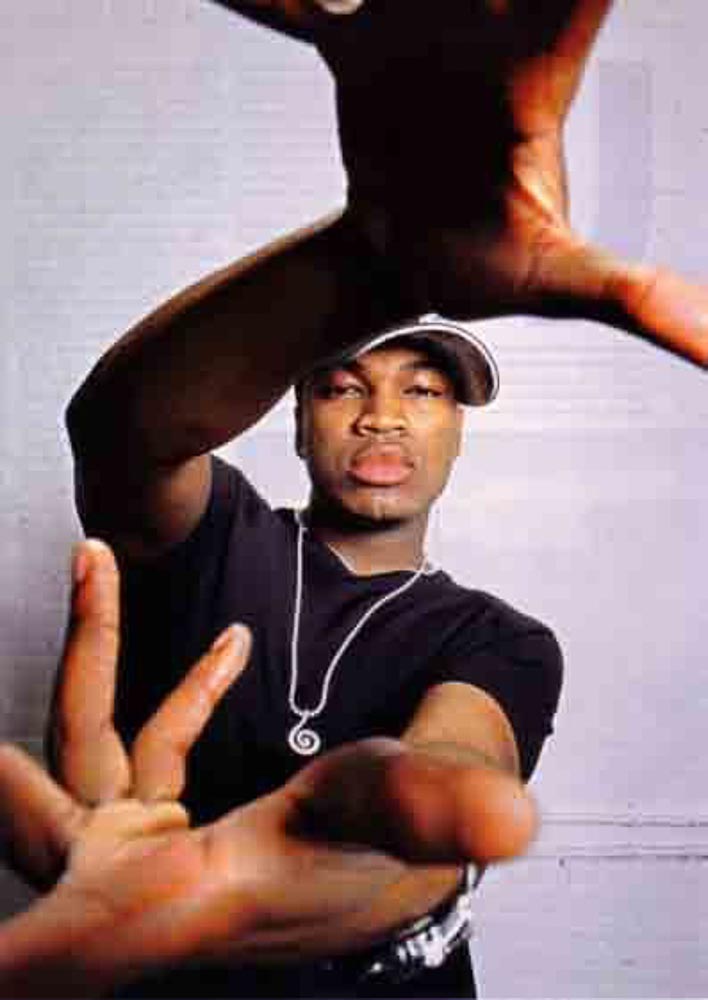 No idea what the general significance of this trend is. Anybody got any decent theories about where the gesture comes from? And what it might tell us about Life Today?
Fenster writes:
The Knickerbockers’ Lies doesn’t sound all too much like the Beatles to my current day ears, but when it came out in 1965 it had most people fooled.
Eddie Pensier writes:

Ball gown by Charles Frederick Worth, c.1900
 Art Deco bookcase, c.1919

Dueling pistols belonging to Catherine the Great of Russia, 1786

Vase with peaches, China, 18th century

Hermès leather baseball and mitt, 2011
Eddie Pensier writes:

Max Ernst, Napoleon in the Wilderness (1941)
Blowhard, Esq. writes:
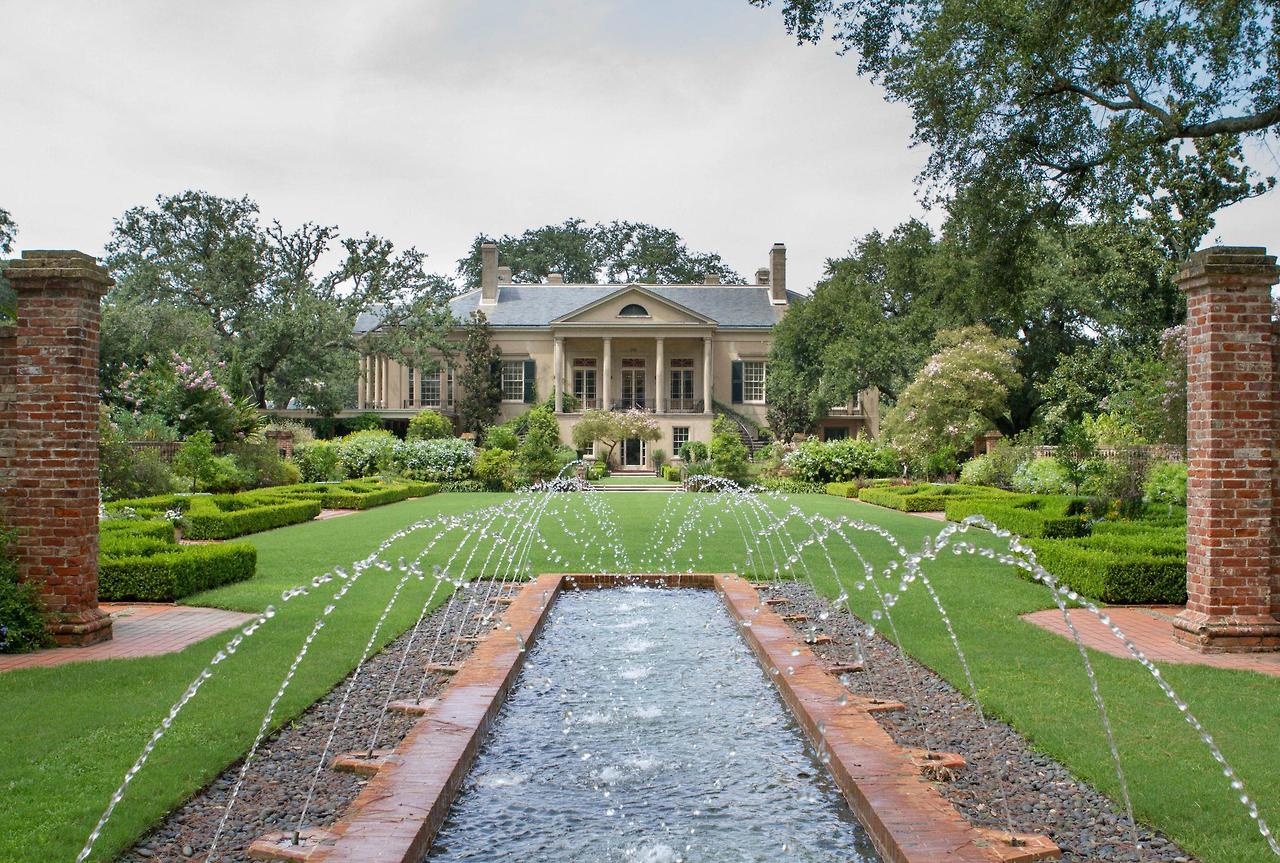 Longue Vue House, New Orleans. The house’s website is here.
Click on the image to enlarge.
Blowhard, Esq. writes:
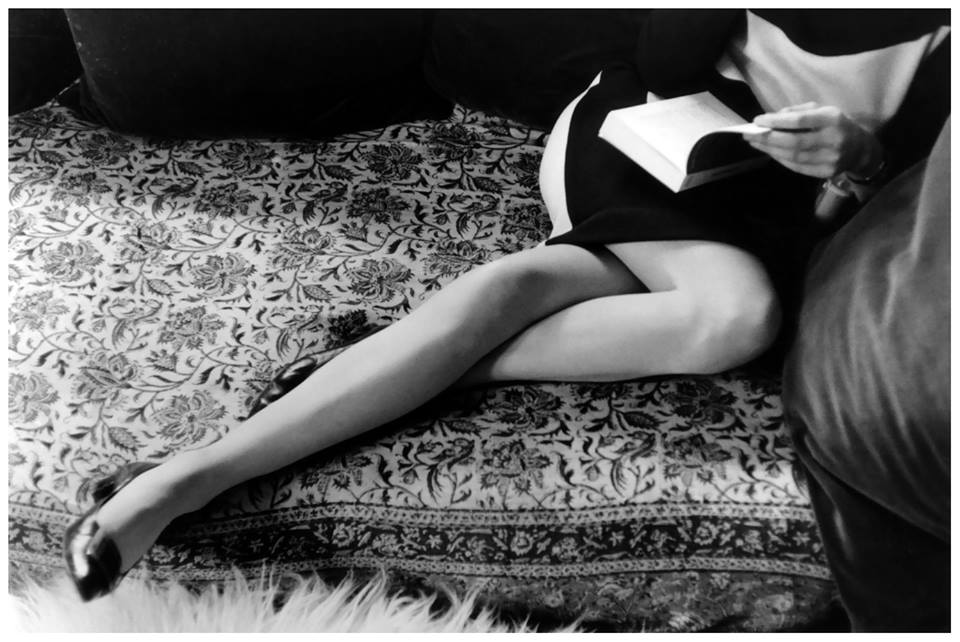
Henri Cartier-Bresson, “Martine’s legs,” 1967
Blowhard, Esq. writes:
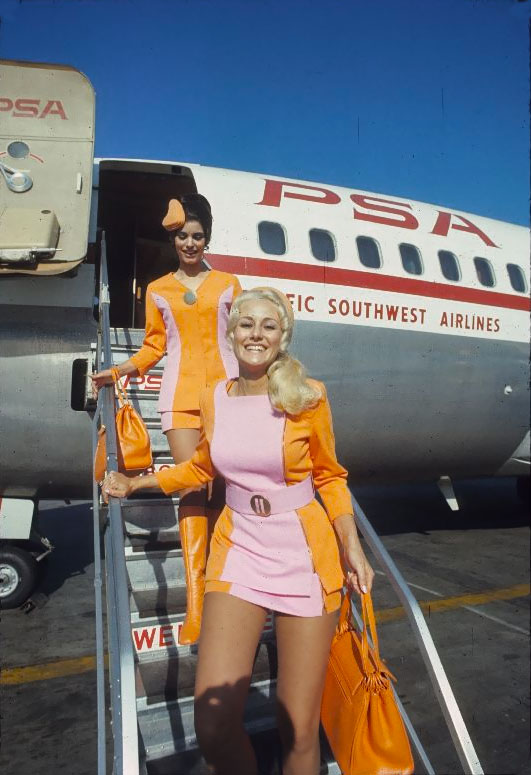 PSA stewardesses, 1972
 Blowhard, Esq.
 Callowman
 Sherbrooke
 Eddie Pensier
 Enzo Nakamura
 Epaminondas
 Fabrizio del Wrongo
 Fenster
 Brundle Guy
 Glynn Marshes
 Paleo Retiree
 Atypical Neurotic
 Question Lady
 Sax von Stroheim
 Sir Barken Hyena
 The Mistaken
