
Fenster writes:
Alternative living arrangements now have a somewhat chic air about them.
There’s cohousing, latter-day countercultural and perennially about to bloom as the boomers retire.

A Brooklyn Cohousing Project
There’s the micro-apartment option, the fun new craze for urban-bound but poor youth in high rent areas.
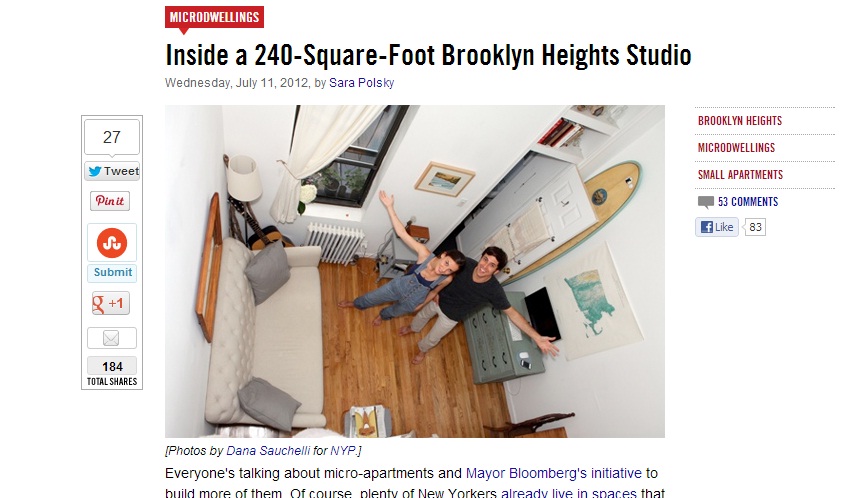
$1500/mo. This comes with tiny galley kitchen but not all micros do.
And there’s even AirBnB, a nifty device that cannot just snag a villa in Tuscany but a shared room in Brooklyn.

Just $749 a month.
All very up-and-up, neat, clean and middle-class, and all of the above in Brooklyn even.
Here’s an interesting article outlining the lineage that runs back from these three nice alternatives to a slightly more reprobate ancestor: the boarding house.
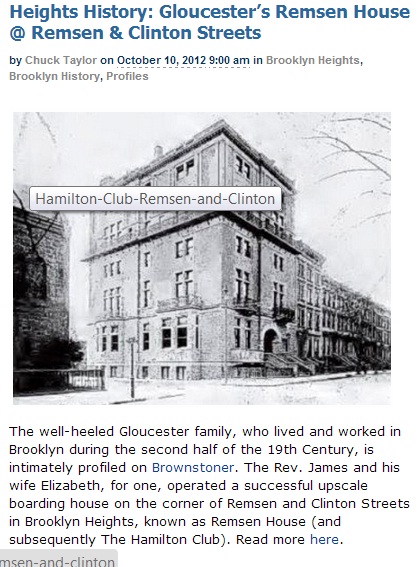
While boarding houses had their middle-class and upscale examples (see the upscale Brooklyn boarding house above), over time they became associated with low-life issues, and more or less petered out (survived also by SROs and half-way houses) in the early 20th century. Some of the old-fashioned low-end types survive, including in Brooklyn,
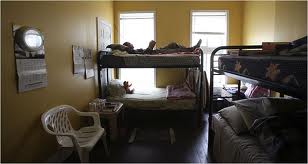
Somewhere near the last exit . . .
but they tend to operate at the fringe of legality. Over time, the idea settled in that people and families ought to be separately quartered, or else run the risk of bad living habits, or worse.
Recall the comic premise of Arsenic and Old Lace–that murderous goings-on were possible in Brooklyn boarding houses.
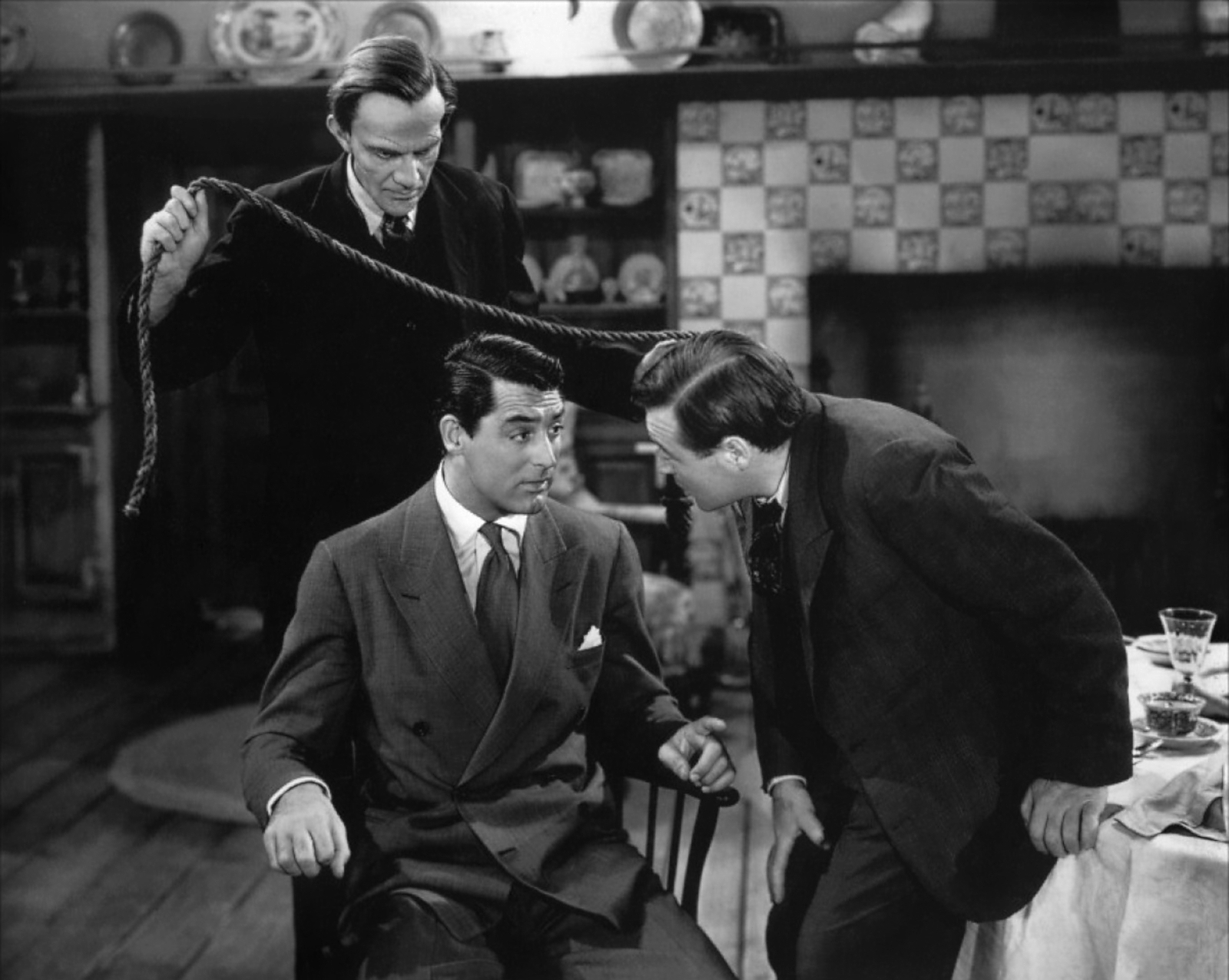
Romance (vice?) was possible, too, in Brooklyn boarding houses.

Anyway, the article is worth reading. The effect of historical change is often, and inevitably, to stash memory away in the basement, along with the 13 bodies. It is often amazing to me to consider how different things were within living memory, and how we are so often invited by the present to picture the past as just a younger version of the self.

 Blowhard, Esq.
 Callowman
 Sherbrooke
 Eddie Pensier
 Enzo Nakamura
 Epaminondas
 Fabrizio del Wrongo
 Fenster
 Brundle Guy
 Glynn Marshes
 Paleo Retiree
 Atypical Neurotic
 Question Lady
 Sax von Stroheim
 Sir Barken Hyena
 The Mistaken
 Uncouth Reflections
