
Atypical Neurotic writes:
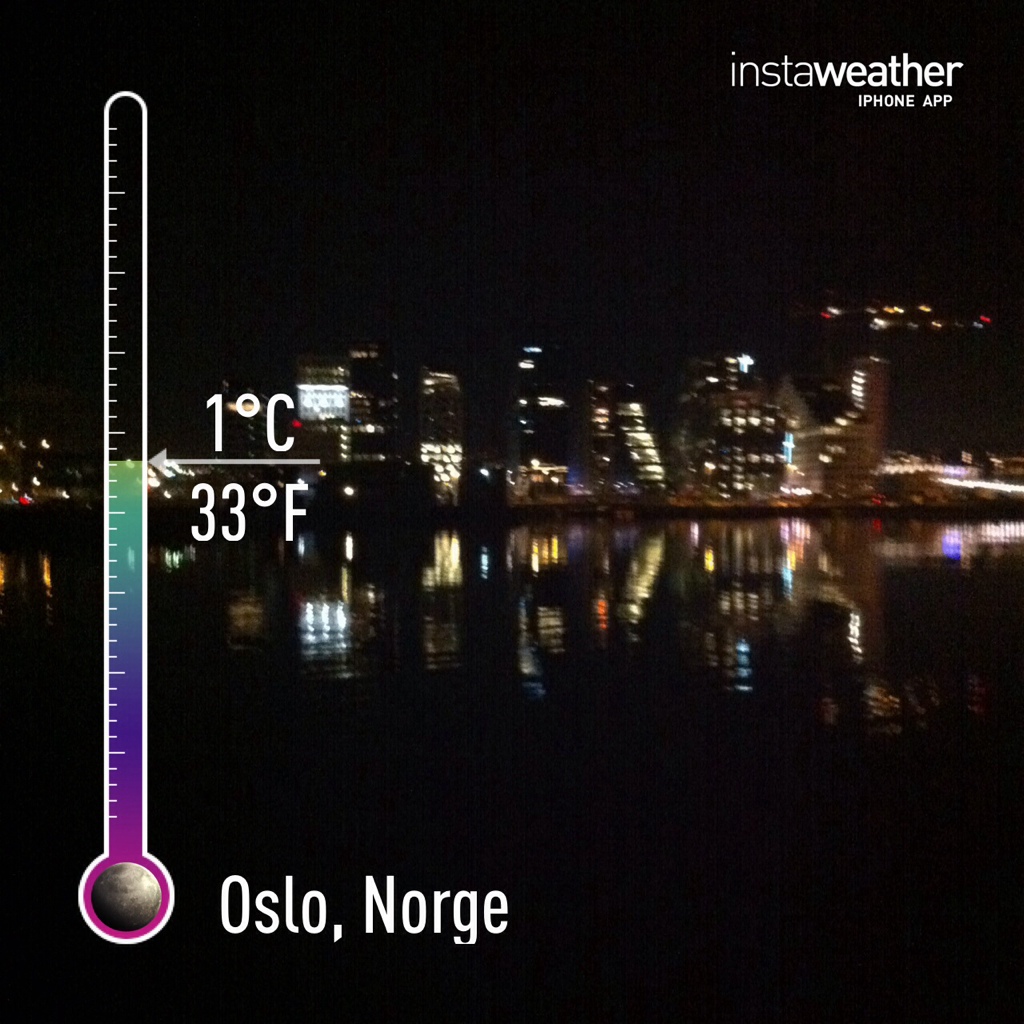
Taken from the pontoon bridge linking the Opera House with the Sørenga development. As I walked back toward the Opera House, I was struck by how quiet it is without the roar of traffic.
Atypical Neurotic writes:
Taken from the pontoon bridge linking the Opera House with the Sørenga development. As I walked back toward the Opera House, I was struck by how quiet it is without the roar of traffic.


 Blowhard, Esq.
 Callowman
 Sherbrooke
 Eddie Pensier
 Enzo Nakamura
 Epaminondas
 Fabrizio del Wrongo
 Fenster
 Brundle Guy
 Glynn Marshes
 Paleo Retiree
 Atypical Neurotic
 Question Lady
 Sax von Stroheim
 Sir Barken Hyena
 The Mistaken
 Uncouth Reflections
Brr. How good a walking city is Oslo? And what’s the walking there like in winter?
LikeLike
I think Oslo is a great walking city, with an incredible diversity of urban landscapes, not to mention square miles of woods with trails. In the city center, heating elements keep the sidewalks ice-free in winter, which lasts pretty much until the end of March. Otherwise, sidewalks can be icy, so we all have ice cleats for our shoes. I’ve landed on my keister more than once, even with ice cleats. And then there are the icicles…
LikeLike
Heating elements in/on the sidewalks? Amazing. The Nordic countries really know how to deal with the cold, I guess.
LikeLike
Follow-up: The heating elements consist of plastic tubes containing hot water and are embedded in the sidewalk understructure. When they upgraded the sidewalks on a downtown street that forms part of my route to work, I saw how it was done: plastic tubes were laid on top of a layer of asphalt, covered with concrete and then granite paving stones were laid on top. As I said above, icy sidewalks are not to be trifled with, and they represent a real hazard until the midday sun gets high enough in the sky to sublimate the ice (i.e. mid-to-late March). This is also why, for all the damage they do, studded tires are legal in Norway.
LikeLike