
Sir Barken Hyena writes:
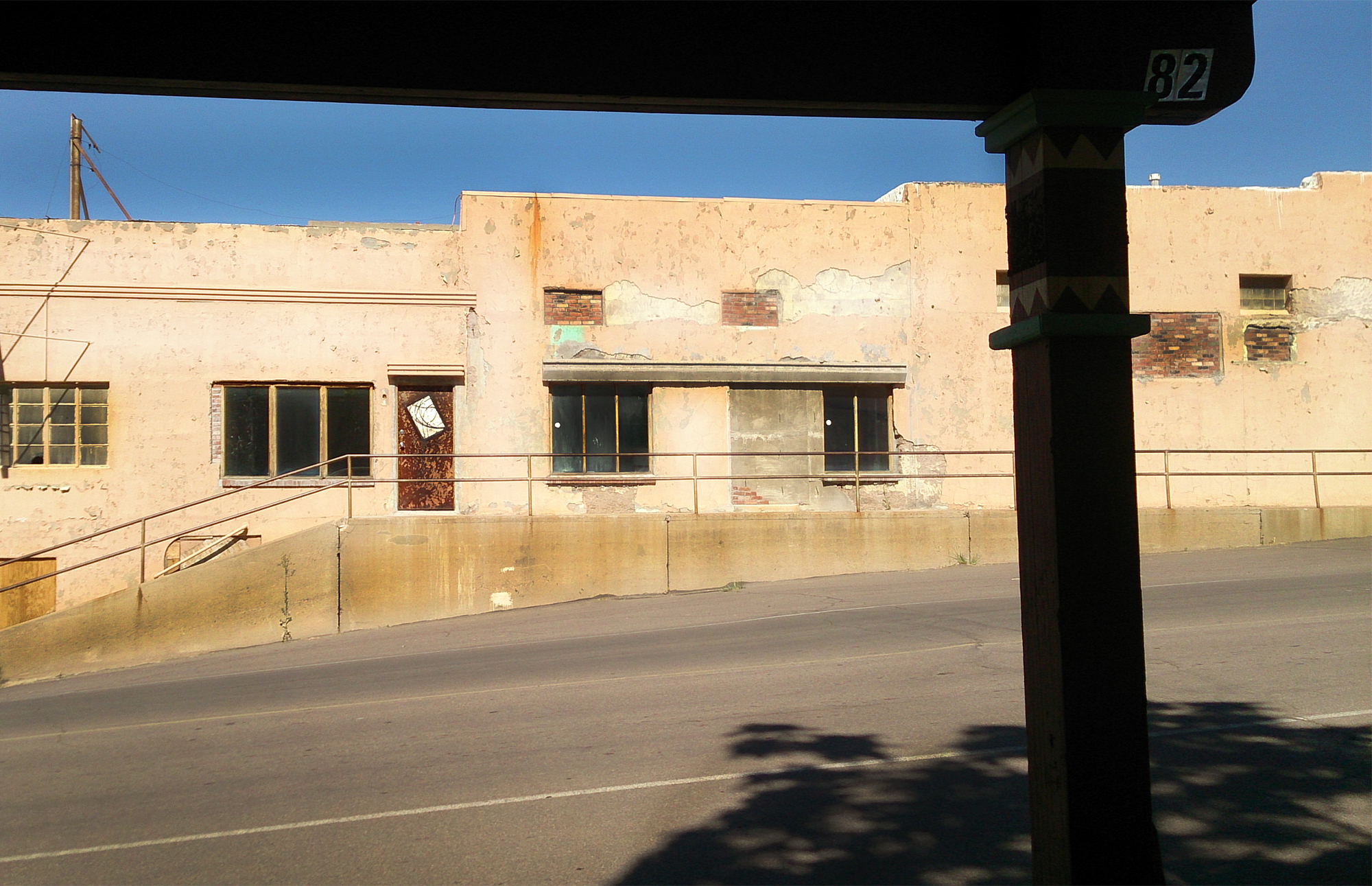
To take some air before it got too hot in this desert summer, I rode the Green Monster out to Superior, Arizona early this morning. Not quite a ghost town, but surely not living, Superior has seen a few attempts at a boutique revival, and some are still going on. A few towns like Bisbee and Jerome have made this transition but how many art galleries can one state support? Meanwhile Superior lingers on from the scrapings of highway traffic, a few salaried officials and some desultory, mostly robotic mining. But, it’s not without it’s beauty.


 Blowhard, Esq.
 Callowman
 Sherbrooke
 Eddie Pensier
 Enzo Nakamura
 Epaminondas
 Fabrizio del Wrongo
 Fenster
 Brundle Guy
 Glynn Marshes
 Paleo Retiree
 Atypical Neurotic
 Question Lady
 Sax von Stroheim
 Sir Barken Hyena
 The Mistaken
 Uncouth Reflections
Dude. Loving your pictures.
LikeLiked by 1 person
Reblogged this on Will S.' Sunny Side Blog and commented:
Great gallery, SBH!
LikeLiked by 1 person
“Not quite a ghost town, but surely not living, Superior has seen a few attempts at a boutique revival”
Two key facets of the Mountain West shown here that most people wouldn’t suspect, and would even suspect the opposite:
1) Roots are shallow and unstable out West. This town first showed up in Census records in 1920, and began to steadily lose population already by the ’70s — it scarcely lasted two generations. Sounds like it was a fly-by-night fluke, and that there’s nothing to revive. Trust of a lot of towns out West.
2) Most settlements out West were not rural but urban, ranging from small mining / logging / etc. towns to larger cultural centers like Salt Lake City (Mormons). Back East, there are lots of areas that used to be rural, and then got developed. Out West, it’s been urban from the get-go. Just because the Mountain states don’t lie on the Pacific coast doesn’t make them part of Flyover Country. Rural farmers lie as far west as the Plains states, but no further.
LikeLiked by 1 person
Great points
LikeLike
*True* of a lot of towns out West.
LikeLike
Pingback: Architecture Du Jour | Uncouth Reflections
Valier, MT, where I’m living is an example of industrial — which is not quite the same as urban — development in the middle of wheat and cattle country which are gradually being rendered more and more industrial. These elements: early recognition of the potential of irrigation; building of a dam in the foothills, creating a system of canals and an impoundment lake that stretch out onto the prairie. This is all early civilization stuff.
But then comes the industrial railroad and the development of grain elevators, which take the grain out to closest major river and then to the ocean where it becomes major “coin” among nations. It is only seen as “feeding the masses” when it suits the international corporation that owns the system. It is easily corrupted. The organic is at the mercy of politics and mechanization.
Valier has collapsed to the minimum needed to support the private ranches and the employees of the Canal Company. Churches, school, post office, tavern, library. It’s culture was literally imported when the Catholic church, the railroad, and a couple of entrepreneurs who became as Civil War raiders (on the Confederate side) — they moved a village of Belgians to the shore of the impoundment lake, people who knew how to farm. The culture here is the senescent culture of WWI Europe. From IS to OUGHT.
Spengler has immense explanatory power and that strange mix of nature worship and steely hegemony I see around here all the time. Thanks.
LikeLiked by 1 person