
Fenster writes:
You can tell things about your surroundings by taking a closer look at objects you’d ordinarily overlook. I was at my local YMCA today, hanging in the lounge waiting for the end of my wife’s workout rather than prolonging my own unnecessarily.
There they had a table on which sat stacks of free magazines–local “parent’s papers”,

continuing education catalogs,

“over 50” guides and the like.

From these you might learn something about what the purveyors of this stuff think about who goes to Y but you probably won’t learn much about the actual people who go there, if only because the piles there never seem to get any smaller and I doubt if there are any takers.
You have a better shot at getting at who goes to the Y in an upscale suburb by looking at the bookshelf to the right of the table. That’s where people leave their own books and magazines for others to read, take home and replace. I’d gone through the books before, taking some home and bringing some in. But I’d never looked through the magazine pile. What would it tell about the members of the community I worked out with a couple of times a week?
I found a couple, but only a couple, of magazines you’d expect to find anywhere, like in a dentist’s office. One Good Housekeeping and one Martha Stewart Living.

But with the rest of the magazines you see evidence of a wide variety of both personal and professional interests and skills beyond good housekeeping.
There is a large interest in things cultural and artistic, and it appeared to me that the art bent extended to professional life too.
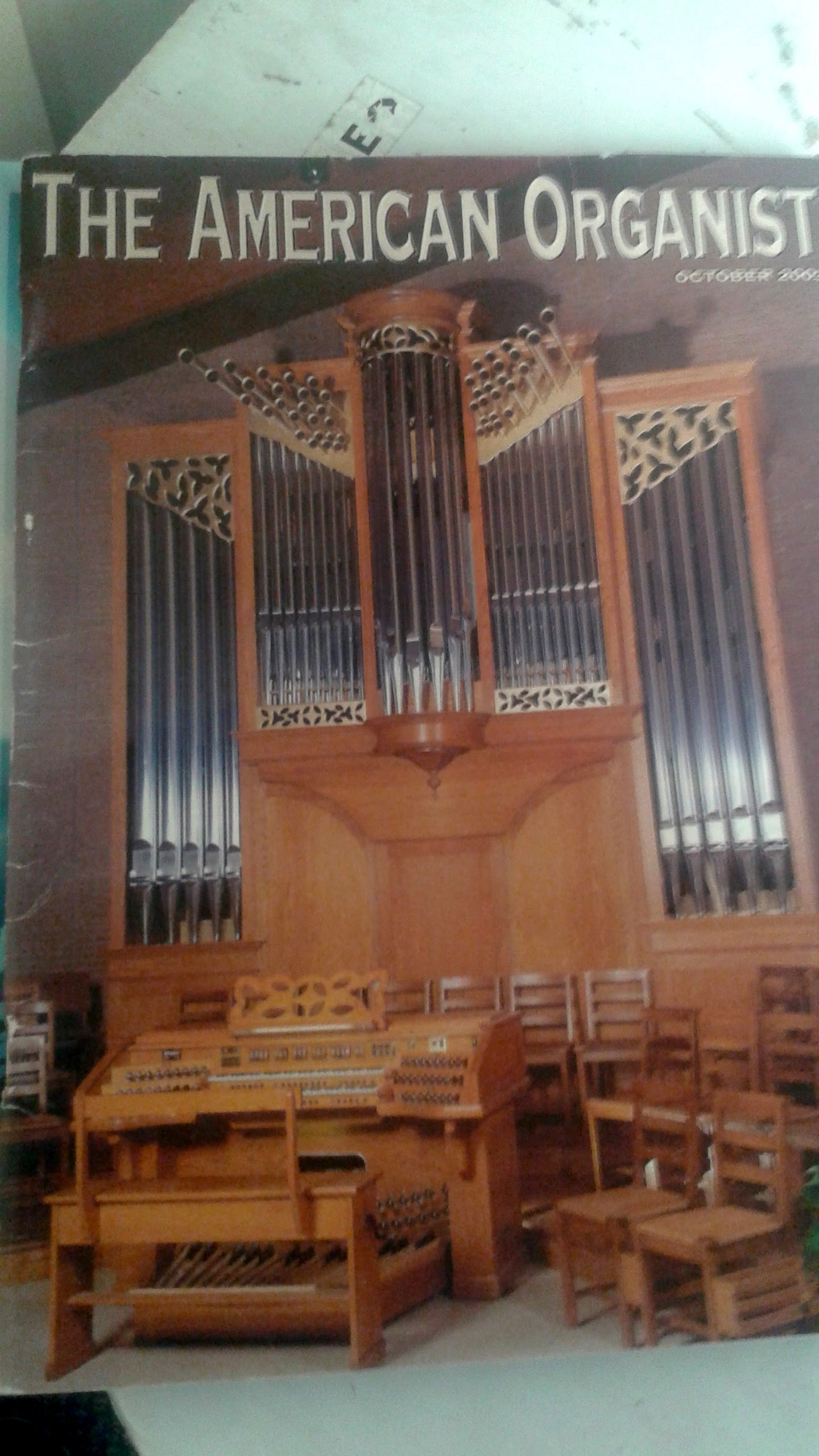
How else to explain American Organist Magazine?
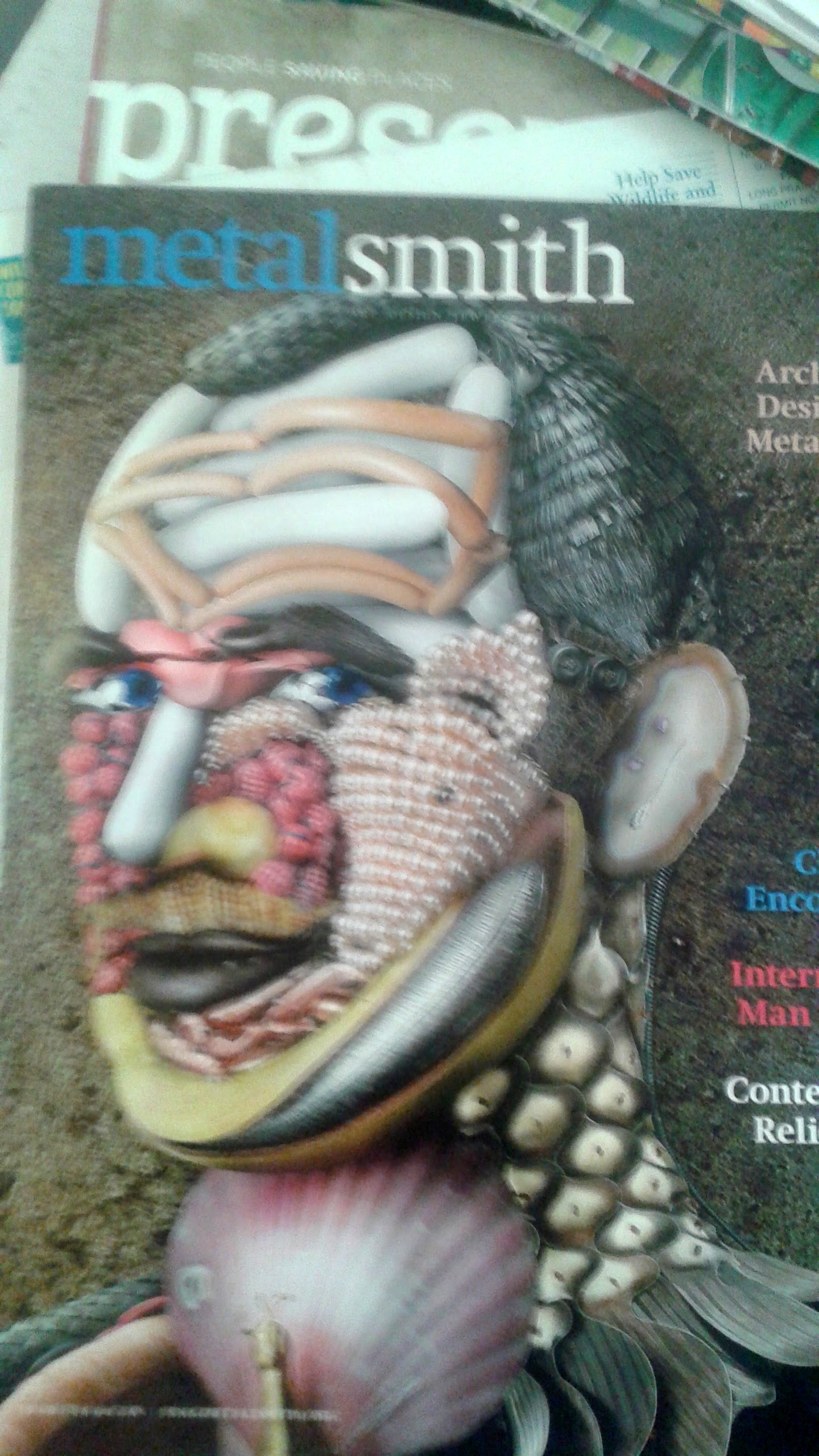
Or MetalSmith?
 There’s a magazine about the architectural community in Boston.

As well as evidence of a general interest in culture. A college literary magazine.
And a local, independent literary magazine including fiction, nonfiction and poetry.
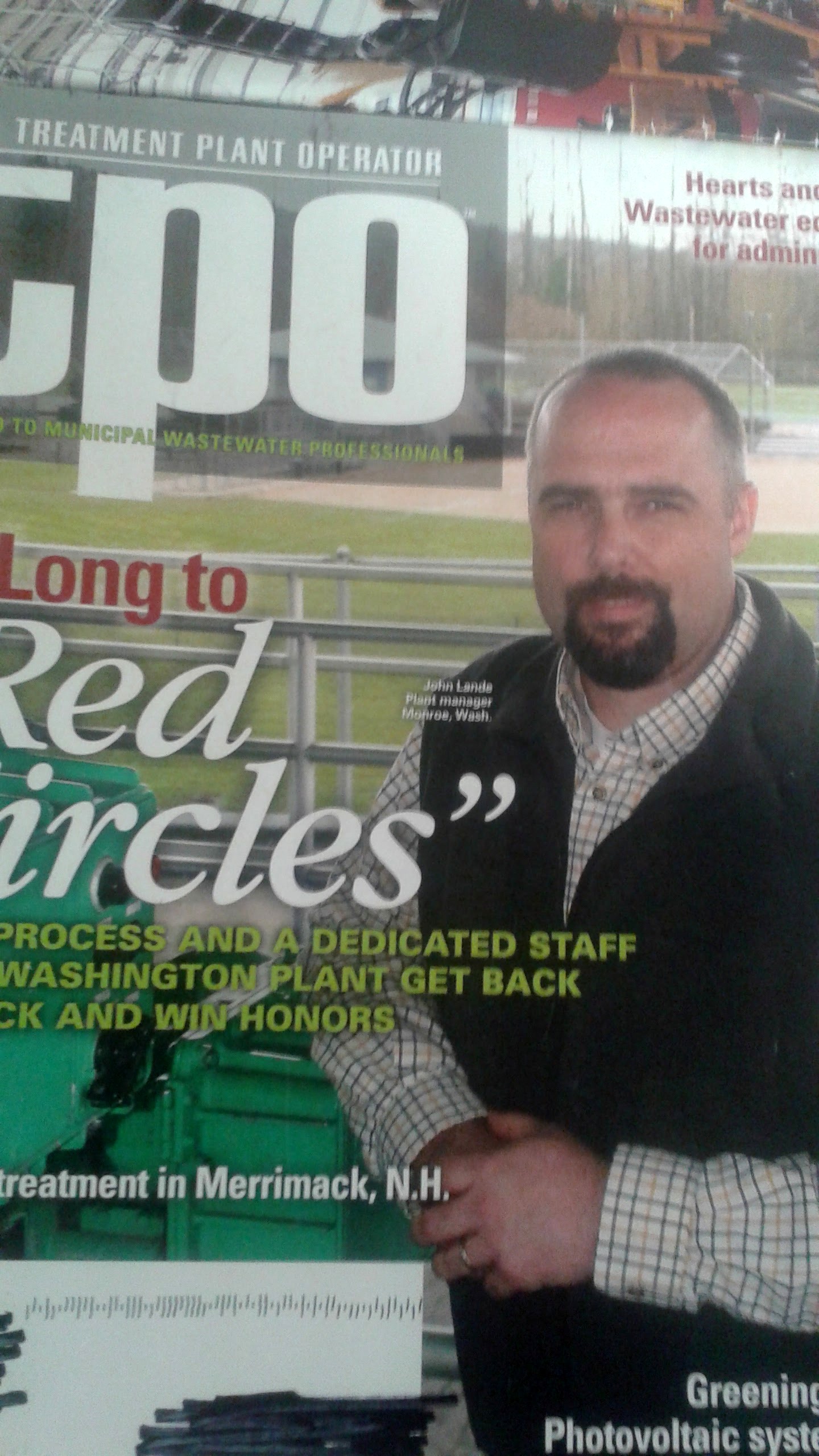
It’s not all so high minded in terms of culture, but neither is it lowbrow. Treatment Plant Operator Magazine (TPO) may not be Commentary or Dissent, or even Dysentery, but it implies an educated and engaged readership.
In a similar vein, WaterWorld magazine. No doubt more gripping than the Kevin Costner film version.
 And again: an annual report of a Chinese Construction Company. Serious reading but you wonder why the donor thought there would be any takers.
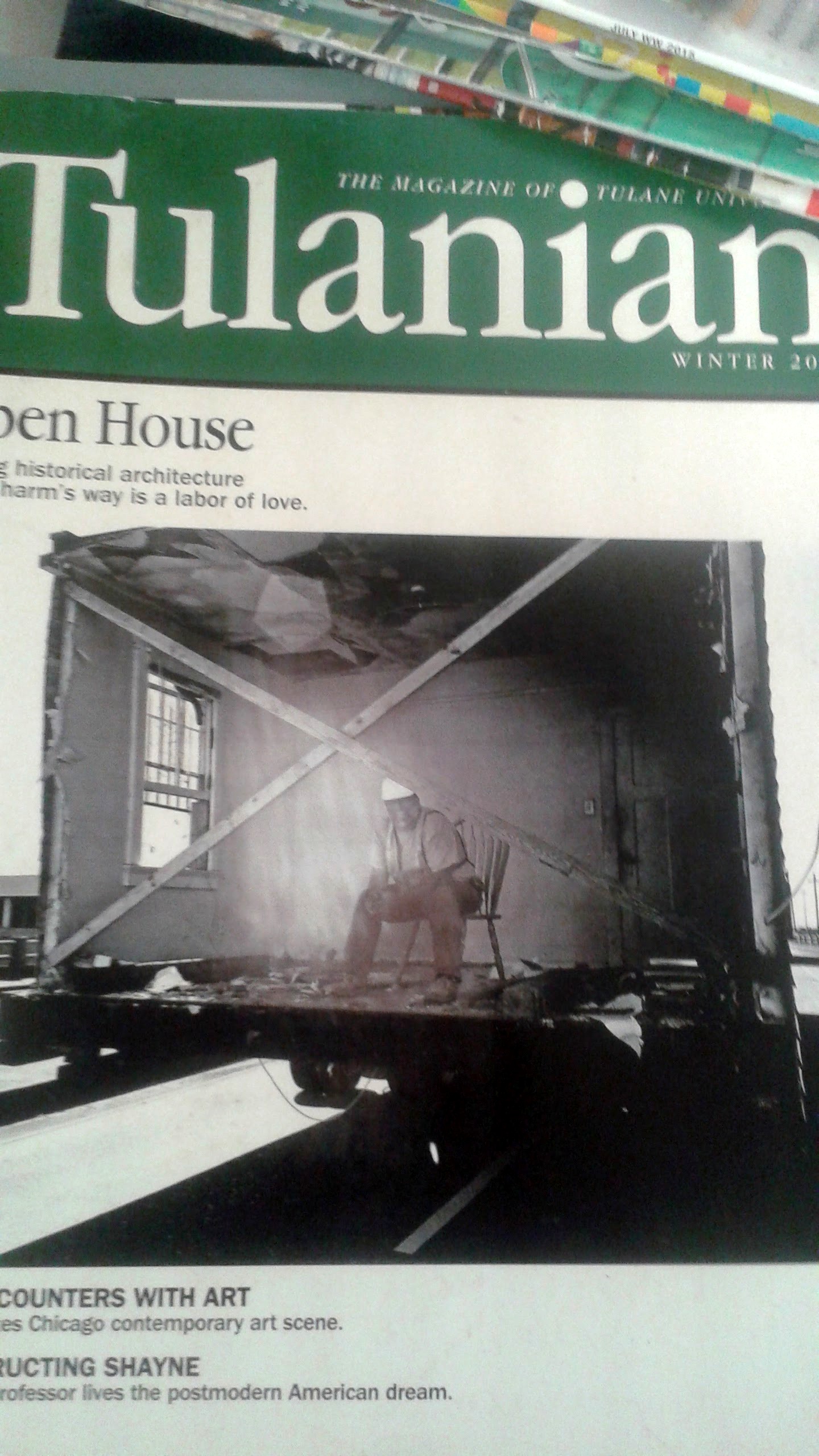
 Evidence of higher education: a college magazine from Tulane.
 And various magazines on subjects like historic preservation, the environment and geography.
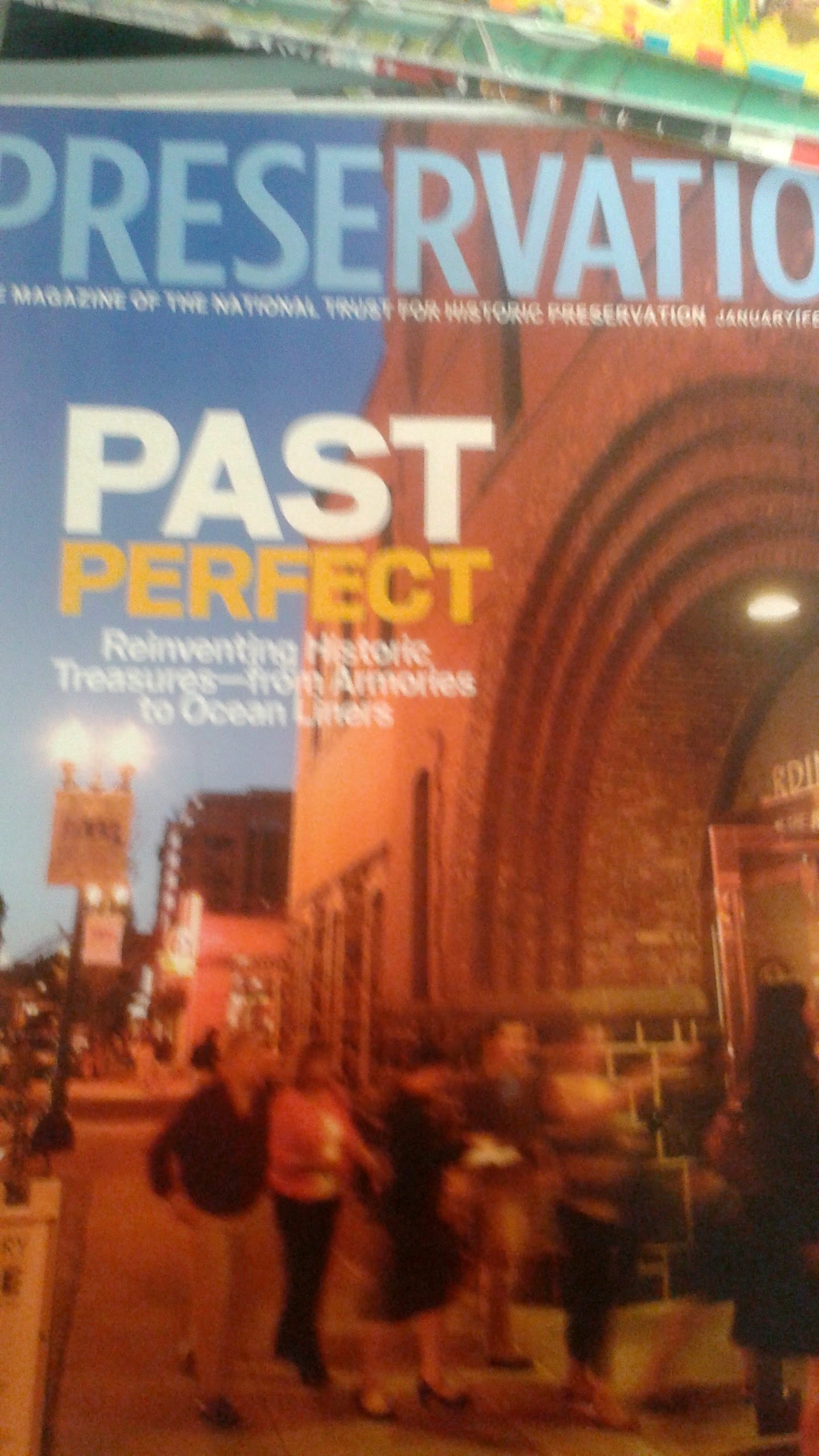


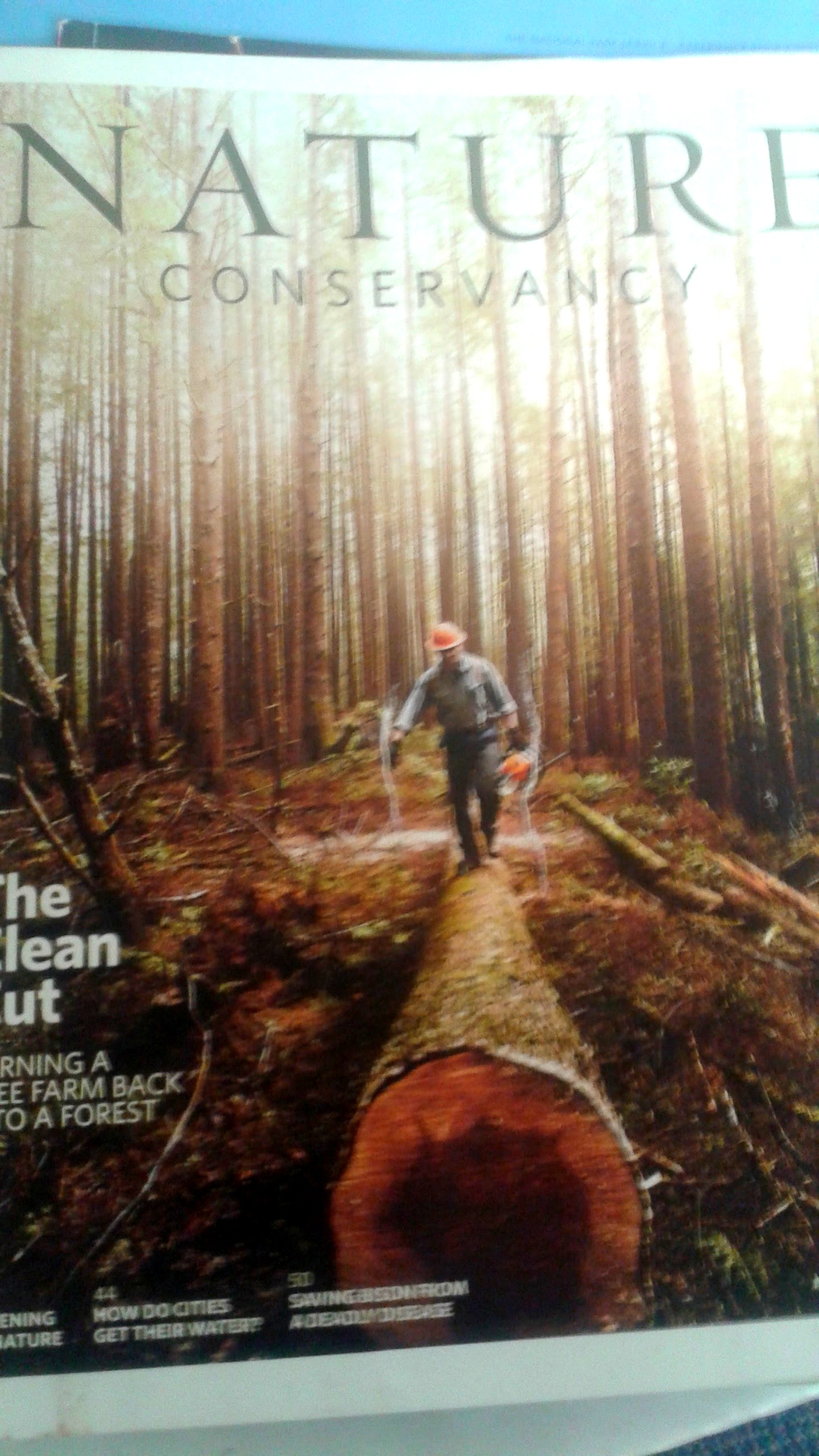
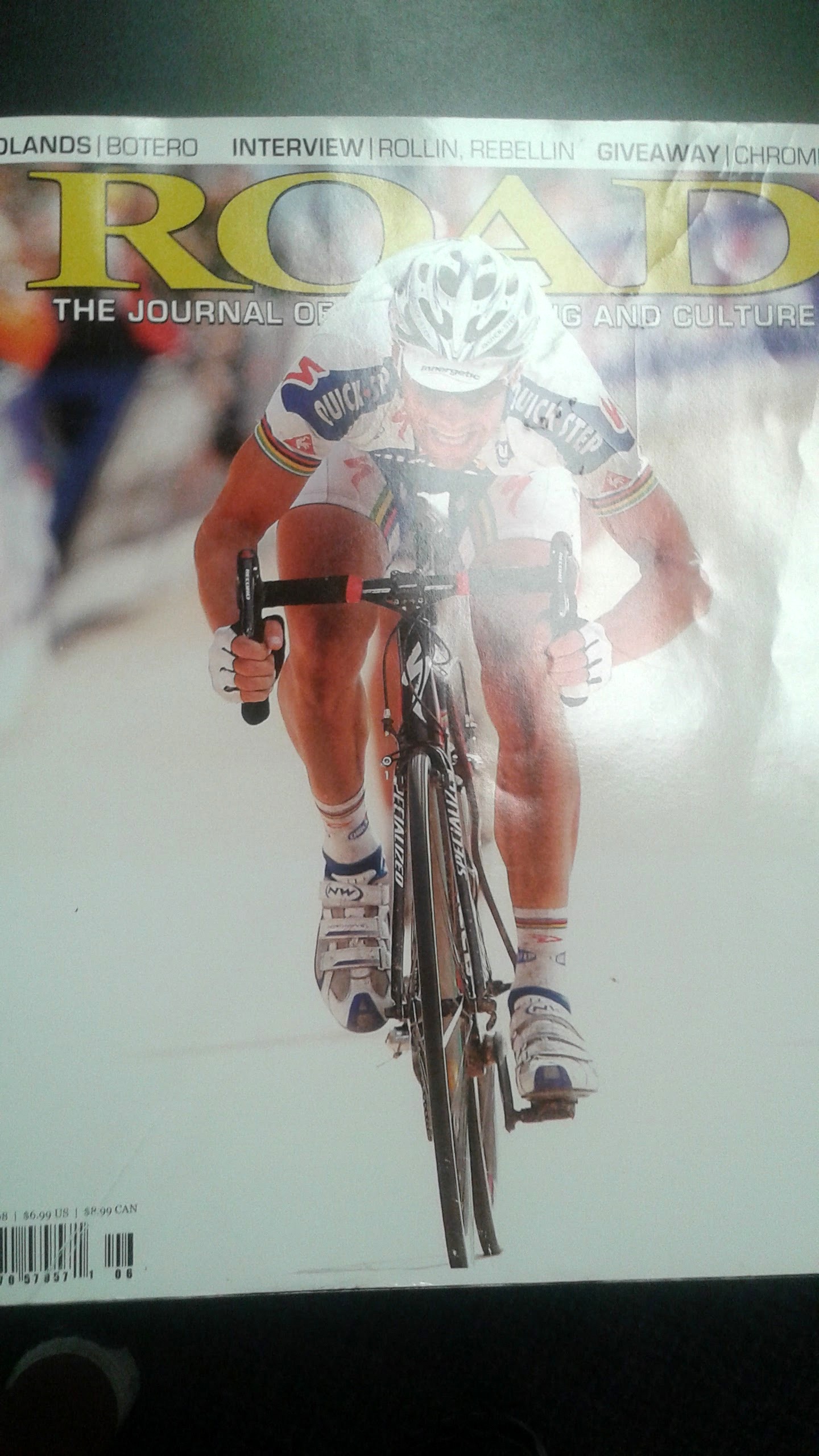
What about sports? Not so much. But it is a Y, and in an upscale suburb. Thus the bicycling magazine is printed in an oversized format with beautiful photographs and glossy paper, and is billed as a journal of “bicycling and culture.”
 And, of course, polo.

I came away chuckling–I mean why leave American Organist Magazine or the annual report of a Chinese construction company? Perhaps people were just cleaning out their homes but it seems to me bringing something specifically to the Y assumes a certain level of intentionality. Could be this is a form of status seeking–i.e., “I am leaving my droppings behind but please note they are really high quality droppings.”
But I also came away kind of impressed. I used to love to visit magazine racks, especially in places like Harvard Square where you can immerse yourself in all manner of interesting worlds. Nowadays, going to a magazine rack is a dispiriting experience: scads of home magazines, scores of health and beauty mags, tons of pop culture dreck and that’s pretty much that. There’s a lot to make fun of in an upscale, educated suburb but I find the range of (apparent) interests a good thing.

 Blowhard, Esq.
 Callowman
 Sherbrooke
 Eddie Pensier
 Enzo Nakamura
 Epaminondas
 Fabrizio del Wrongo
 Fenster
 Brundle Guy
 Glynn Marshes
 Paleo Retiree
 Atypical Neurotic
 Question Lady
 Sax von Stroheim
 Sir Barken Hyena
 The Mistaken
 Uncouth Reflections
always impressed at the range available, and only the weirder ones are still in print rather than online or .pdf. It’s a good source if you need collage material for your kid’s project.
LikeLike
Lots of visual stuff to go through–surrealism to sewage treatment, or both. BTW I have a labor union piece set to go for tomorrow . . . sympathetic (for a ex-management guy, now in a union) but a bit critical too.
LikeLike
LOL at the zero awareness of SWPL audience of that parenting magazine:
“Signs of an over-scheduled child”
“Molding a maestro: 10 tips to encourage practice”
And then:
“Stop feeling guilty: The importance of Me Time”
As though all those schedule-fillers are for the child’s benefit, rather than surgically crafted branding of the parents’ public image to other parents.
LikeLiked by 1 person
Children as conscripted brand ambassadors for status-striving parents.
LikeLiked by 1 person
Don’t you mean Anthropology at the Y?
LikeLike
Well if you mean did I have to dig in the ground for the artifacts then no. And if you mean that the study of objects is a part of the social sciences, including anthropology then yes. So point taken. On the other hand my antho professor in college defined the field as “the study of man . . . .embracing woman” and I saw no porn on display so maybe not.
LikeLike