Linkages

Fenster writes:

  • Fenster agrees a lot with what Mickey Kaus has to say.  In this case, though he has no idea who Fenster is, it is Mickey Kaus who agrees with Fenster on the worrisome possibility of an emerging Downton Economy.
  • The estimable Alex Beam, who also is a fan of Kaus, says get off Twitter.  Perhaps Fenster is not the one to weigh in since he has never joined, never Tweeted, never read a Tweet except in a regurgitated state.  It seems to me like hive mind in action–all about spreading cootie memes with little of benefit of reasoned thought.
  • According one one wonk, the numbers seems “stacked against” the idea of upstate New York seceding and either forming its own state or joining with Pennsylvania.  The latter idea is mostly being pushed in the Southern Tier, which is  eyeing the fracking taking place across the border denied to New York by state policy.  The idea of a separate state has broader appeal because of the feeling that the City leeches.  Alas, while downstate is high expenditure it is also high revenue, with the result that the net flow of subsidy is from south to north.  Maybe breaking apart is a good idea in the long run on the grounds that the north should be allowed to pursue a redder future.  But it won’t be easy since Albany and Manhattan are not the only problems.
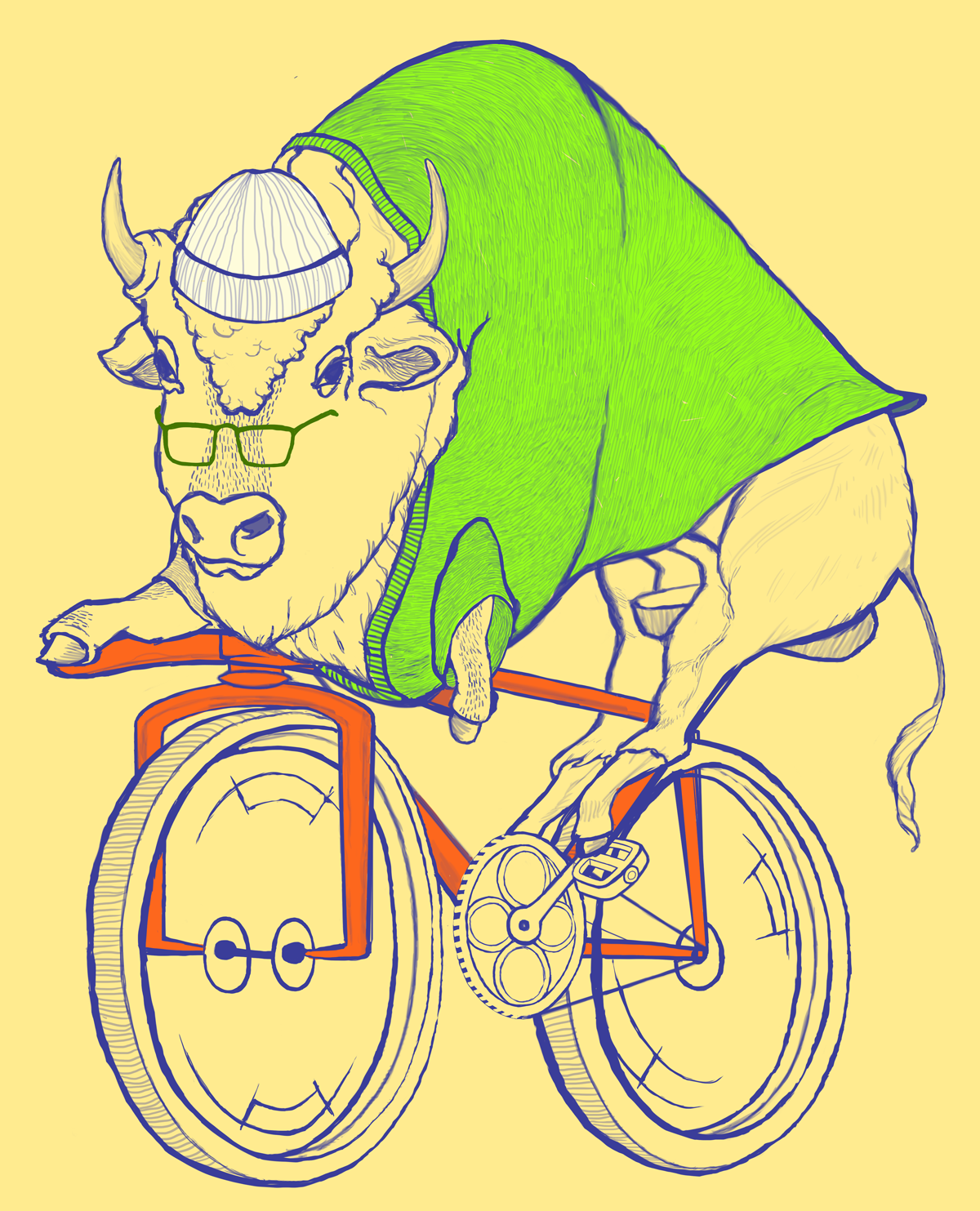
  • On the other hand, maybe upstate has reached bottom and the separate state idea has merit on the grounds of buy low sell high.  Maybe the cool kids are on to something.

HipsterBuffalo

Posted in Linkathons | 1 Comment

Restore, Don’t Redesign, Pershing Square

Blowhard, Esq. writes:

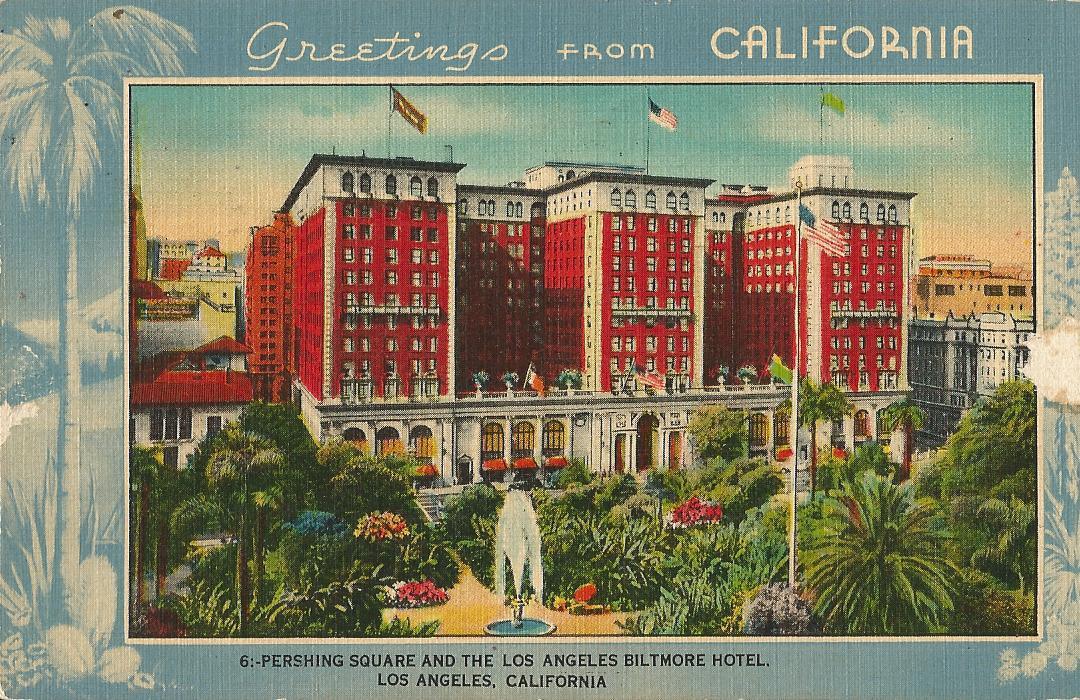
pershingsquarepostcard

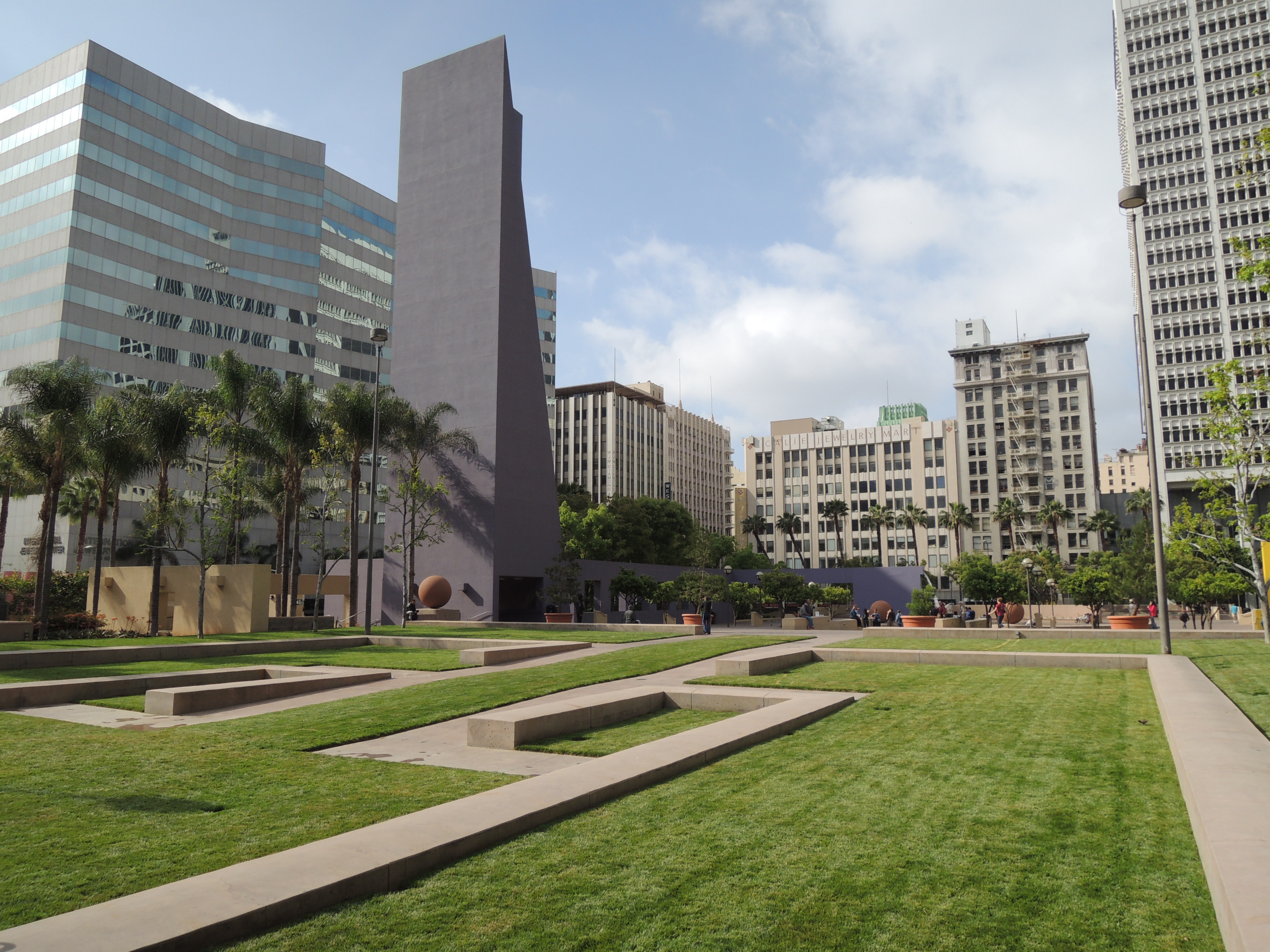
Today the L.A. City Council announced an international competition to redesign Pershing Square located in the heart of downtown. The existing design by AIA Gold Medal winner Ricardo Legorreta, which dates from 1994, has been widely hated for over two decades. Here’s a picture I took of it a couple years ago:

Pershing Square Today

The purple pylons are supposed to represent the San Gabriel Mountains, the orange spheres are symbols of the importance of the citrus industry to the city’s history, and the geometric concrete pathways that break up the lawn are some Deeply Important postmodern design element that us proles have failed to appreciate over the years.

But it looks like all of that will soon be history, so good riddance to bad rubbish, I sez. However, one should never underestimate the ability of our architectural betters to foist something even more heinous on us. When it comes to turning bad into worse, their creativity knows no bounds. When a committee was formed two years ago to investigate the feasibility of a new park, the design firm Gensler made the following pitch (skip to 2:56 to see their final results):

[vimeo https://vimeo.com/63167977]

Dig the use of advanced computational methods that have been leveraged to create an integrative, sustainable design! Who cares the final result looks like a chaotic midsummer rave, complete with techno soundtrack? I’m sure the wireframe videogame terrain would win them a bunch of awards presented by people who wear thick-framed glasses and bowties.

Instead of choosing a trendy design that’ll only further alienate the public and require yet another remodel in 20 years, why not restore it to its former glory?

restoreparkinson1910

Parkinson1910in1931 colorized

biltmorepershingsquare1942

John Parkinson’s 1910 design (the same architect who designed Union Station, City Hall, Bullock’s Wilshire, and the Coliseum) might not have had the advantages of CAD or a flashy presentation video, and modifications will be needed to take the underground parking into account, but it provides a pleasant pedestrian experience with multiple spaces for various activities that are elegantly buffered from one another. When a good design is staring you right in the face, why reinvent the wheel?

A group and petition have formed to reinstitute Parkinson’s park. I have little hope that city officials will consider it seriously, but it would be nice to be wrong. Whatever happens, it’ll be interesting to see how this story develops.

Related

Posted in Architecture | Tagged , , , , , , | 6 Comments

Google: We’re Not Evil, We Promise!

Blowhard, Esq. writes:

androidlollipop
android-lollipop-5-1

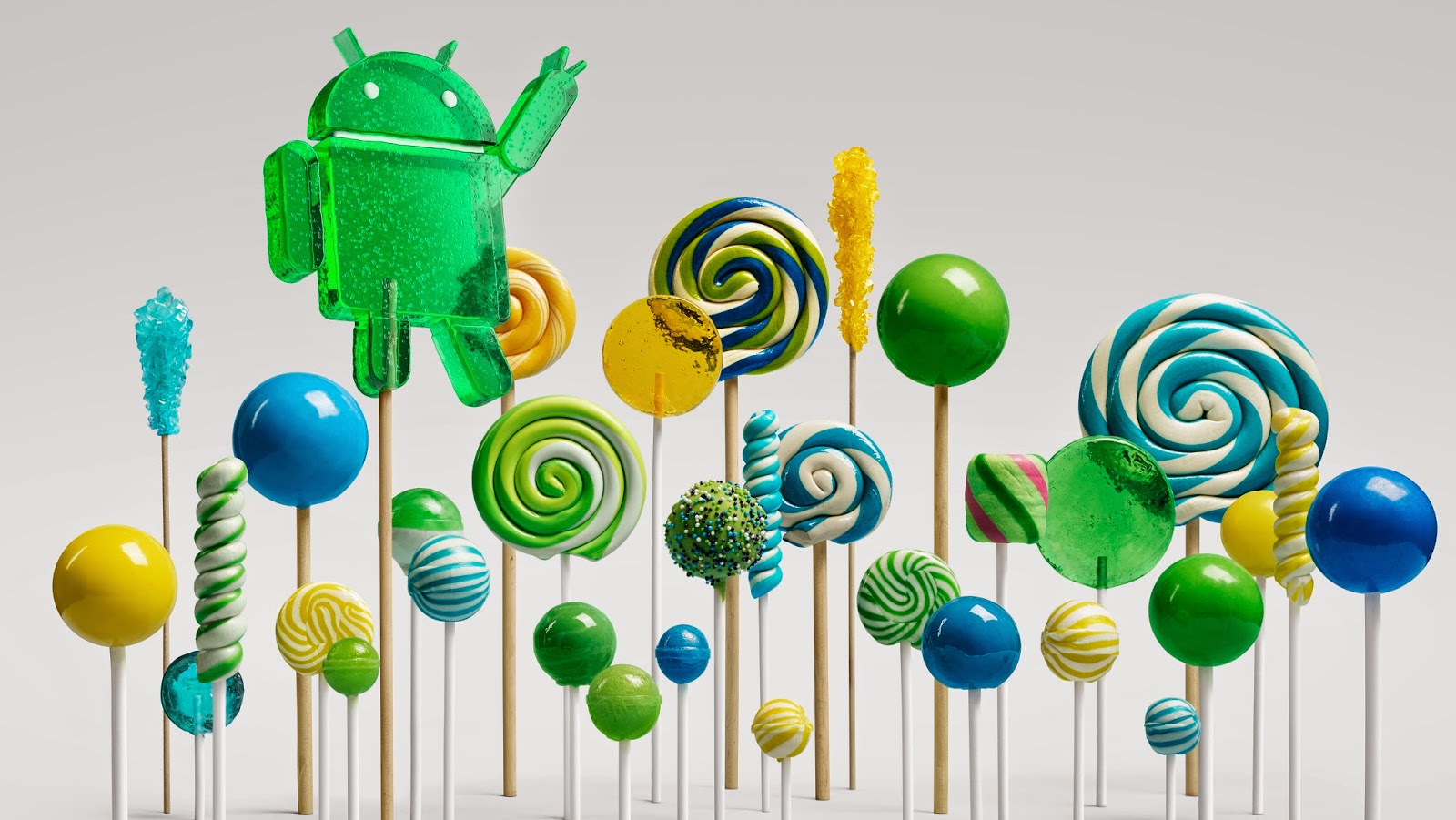
Google-AlphabetnewlogoThe latest candy-colored Android update is called Lollipop, the new holding company is called Alphabet, and the sans-serif logo redesign looks fit for a franchise of daycare centers. Someone is trying really hard to look cutesy and nonthreatening.

Posted in Commercial art, Technology | Tagged , | Leave a comment

Taking Triggers Seriously

Fenster writes:

hi-speed-natl-match-dmr-trigger-pi

There are some ideas so stupid only a college president could endorse them.  At least that’s the impression given by reading this recent nearly-three-cheer defense of trigger warnings and microaggession bans on campus penned by two college presidents.

I know, I know it must be hard to be a college president.  You are running what amounts to a business and need to heed the voice of the market.  And since where one stands is often a function of where one sits, I don’t doubt that these defenses are at least in part sincere.

But if you allow yourself to get stewed in the juices you will eventually be rendered into the pot.  As they write “(t)hose who offer blanket indictments of calls for safer spaces and content notices would do well to sit face to face, as we have, with anguished 18-year-olds.” Well, yes.  I don’t doubt they had to confront anguished 18-year olds quite a bit.  But where is the perspective and–dare I say it?–the gravity that one would expect a president to exhibit?  A college president I respect once said that the most important quality needed in the job is social distance.  By that he did not mean don’t fraternize with the custodians–he did regularly, and well.  What he meant is that one should not blow with the wind and try to be a friend to all.

If only Colin Quinn had a Ph.D. he might make a run at a presidency somewhere.

Posted in Uncategorized | 2 Comments

Streetcar Suburb Summer

Fenster writes:

Is it possible for planners to create a community with as much charm and character as one that evolved organically over time?  Heck, I suppose it might be possible.  Given enough bandwidth, time and creativity, and with possibly great changes in the worlds of nanotechnology, computer graphics and 3D printing, why can’t a simulacrum be better than the real thing?  My mind is effectively playing tricks with itself in its appreciation of certain things in the first place and it would be a kind of conceit to say it could not be tricked or persuaded at a higher level.

But that time is not on us.  To me, most fabricated communities have an uncanny valley quality–more off-putting than places that try less hard to simulate.  So for now, and probably from now on, I will prefer existing places to newly fashioned ones.

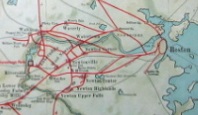
I now live in Newton, one of Boston’s streetcar suburbs.  Back around the turn of the century–the other one–Boston, Newton and the close in towns didn’t have just one streetcar running through them but were riddled with lines spun out like a web.

1908_streetcar_map

At each station, a cluster of shops and homes emerged.  And given the web like structure of the streetcar system, Newton developed into a agreeable bunch of villages, some running directly east-west but others here and there on other axes.   A few villages sprung up, too, along the Charles River.

Today, Newton is known as a city of villages–13 in all by most counts.  Some of these are not truly villages since they are not situated where the streetcars ran, with the village designation seeming to be a sop to a suburban enclave with no center.  But West Newton, Newtonville, Newton Centre, Auburndale, Nonantum, Waban, Newton Highlands, Newton Corner, Chestnut Hill, Newton Upper Falls and Newton Lower Falls all have a tie to the streetcar past.

Most of these have gotten quite genteel but there’s the down to earth Nonantum, or “The Lake”, to the mushes who live there (there is no longer a lake there but habits die hard).  The sheer number of small villages makes it easier to find a place with the proverbial “5 minute walk” to shops and activities.

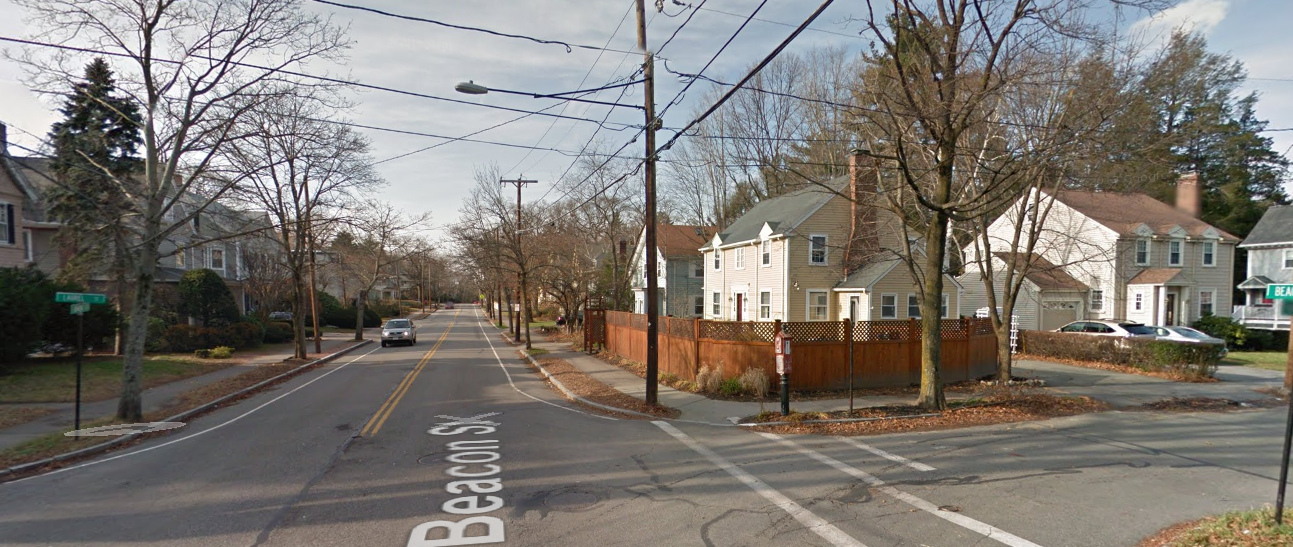
Of course, Newton today is essentially fully developed.  That makes for some interesting time travel as one drives.  Leaving Newton Centre heading west on Beacon Street one moves first from an all-Victorian ambience

beac1

to one peppered with more early 20th century housing stock,

beac2

then on to post-war ranches,

beac3

then back to early 20th century

beac4

and then finally back to Victorian on reaching Waban.

beac5

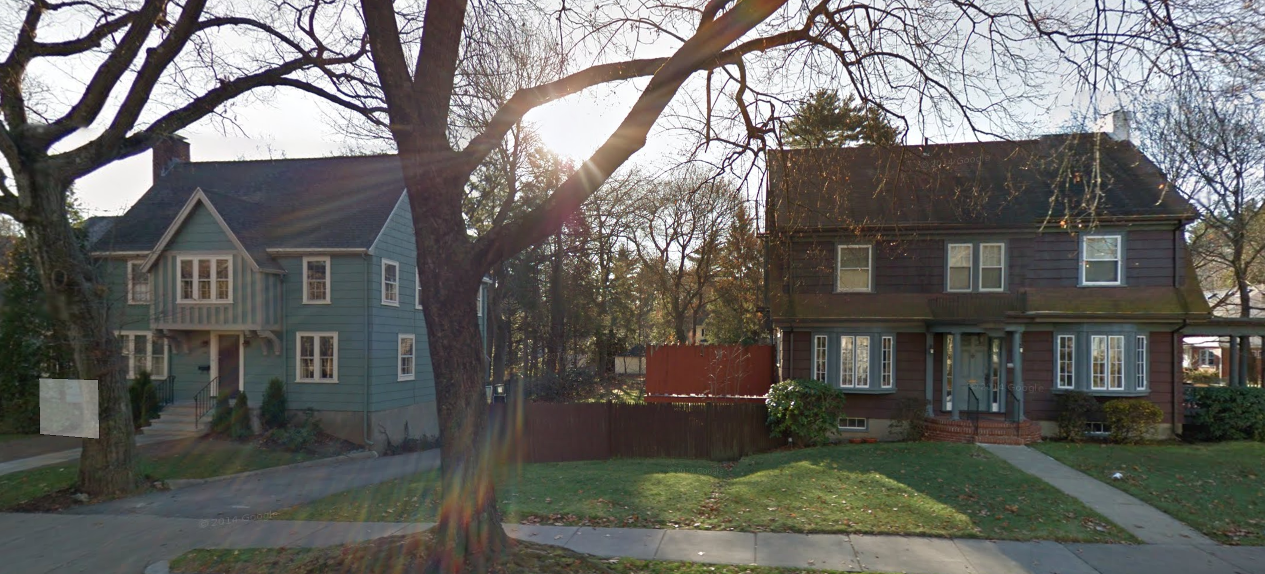
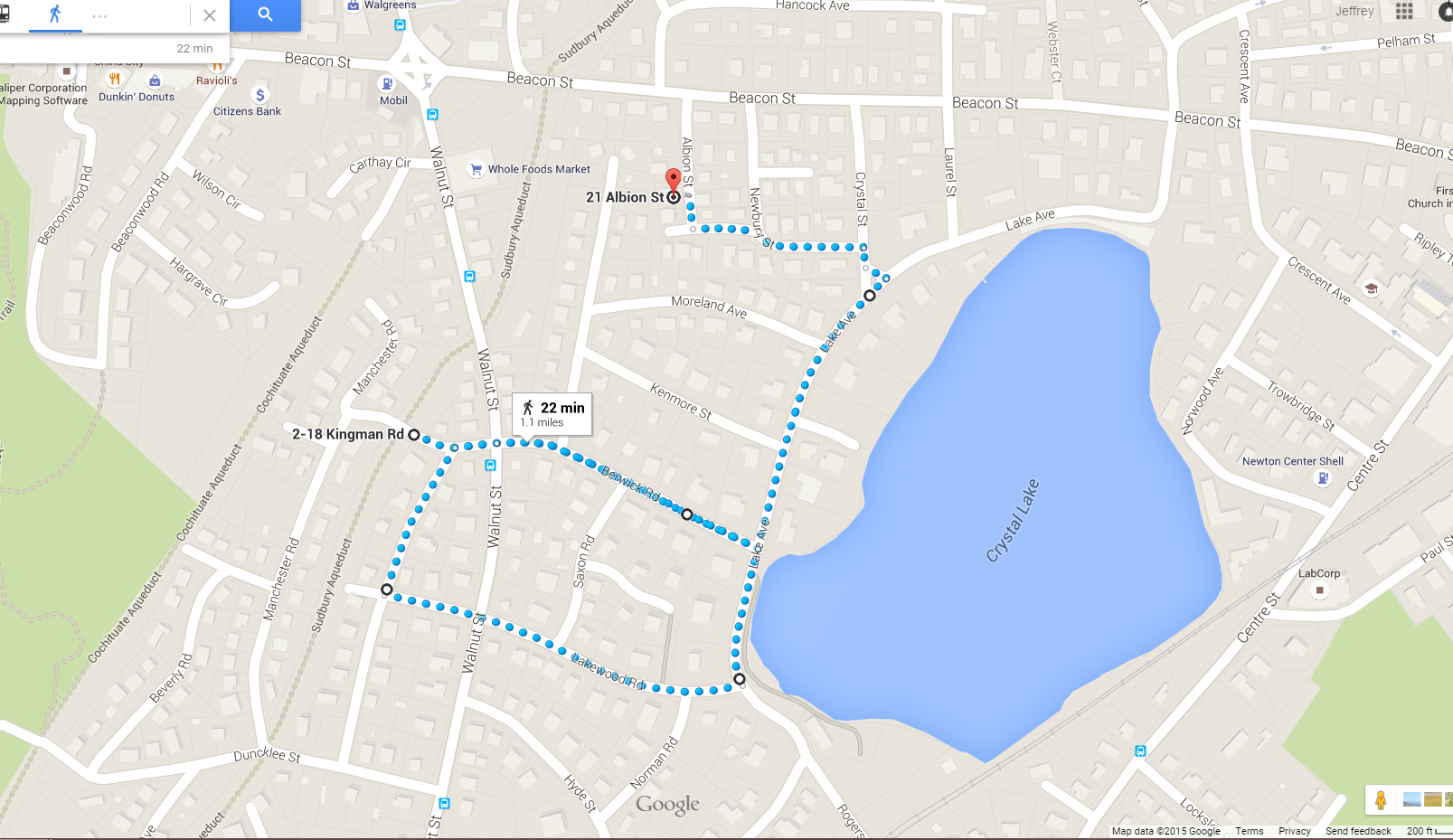
It is hard to have a favorite among these if you like Victorian architecture.  One of my favorite areas runs from just west of Newton Centre, along Crystal Lake, over into Newton Highlands.  Here are some snaps from last weekend, at the close of summer.  As Paleo did just recently in writing about his walk through the Village and along the Hudson, I am posting a record of our short walk.  It’s a pretty dense lot of great buildings over the course of about a mile.

walk

Check the pics out relative to Paleo’s recent plea for texture and color.

Continue reading →

Posted in Architecture | Tagged | 12 Comments

Edges, Pointiness, Minimalism and Public Seating

Paleo Retiree writes:

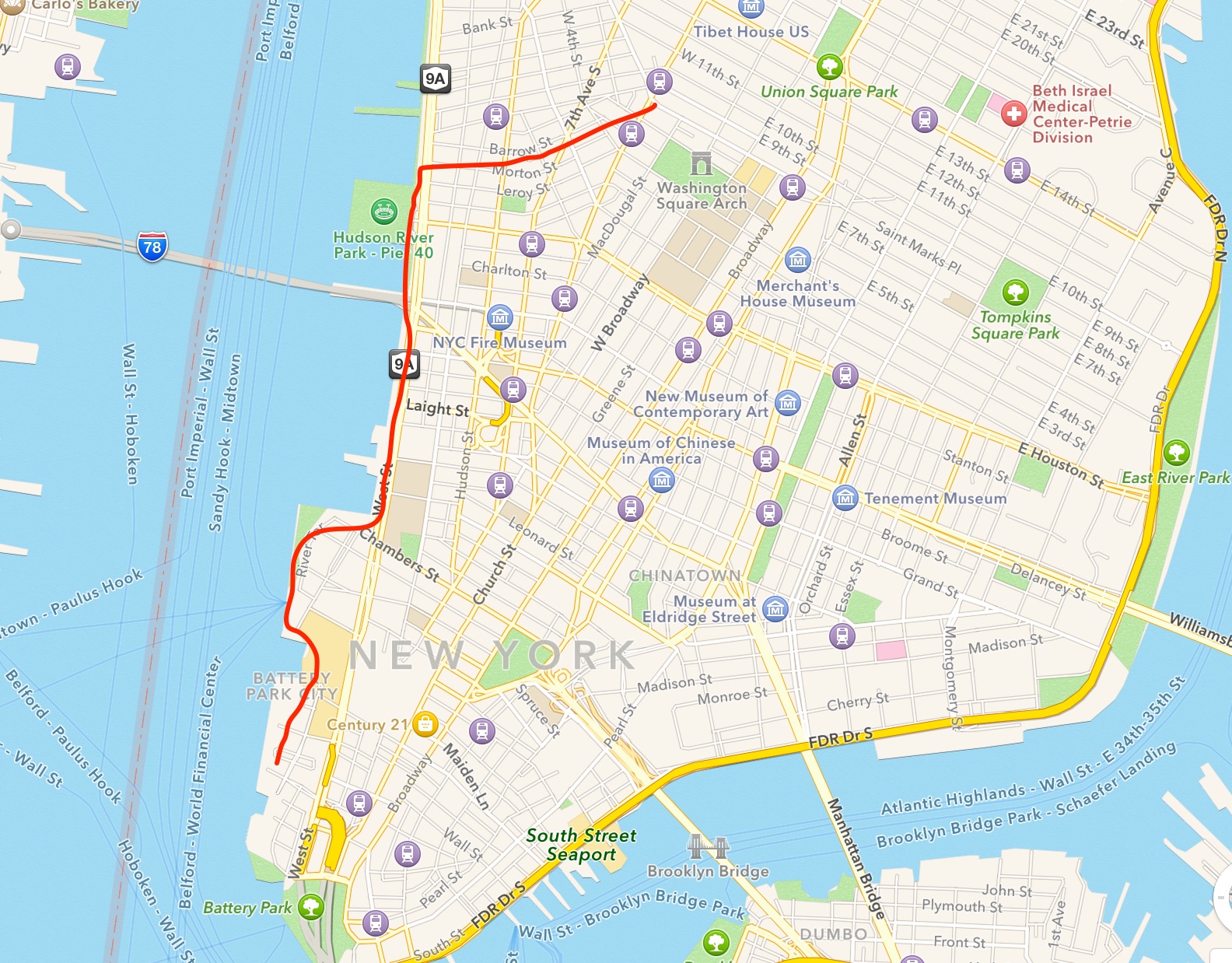
On a beautiful recent day, my wife and I treated ourselves to a long, leisurely walk — first through the West Village, then down along Hudson River Park, and finally through and beyond Battery Park Marina. The red line shows our route:

At a moseying-along pace with regular breaks for zig-zaggin’ and snapshootin’, that’s about a 70 minute walk, with another 70 minutes for an amblin’ return.

Continue reading →

Posted in Architecture | Tagged , , , , , | 5 Comments

Charlemagne Sleeps at Salzburg

Fabrizio del Wrongo writes:

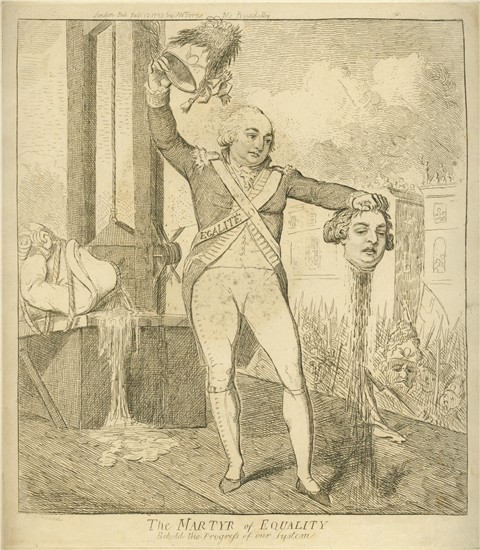
ma_1059_engravingSuch a changed France have we; and a changed Louis. Changed, truly; and further than thou yet seest!—To the eye of History many things, in that sick-room of Louis, are now visible, which to the Courtiers there present were invisible. For indeed it is well said, ‘in every object there is inexhaustible meaning; the eye sees in it what the eye brings means of seeing.’ To Newton and to Newton’s Dog Diamond, what a different pair of Universes; while the painting on the optical retina of both was, most likely, the same! Let the Reader here, in this sick-room of Louis, endeavour to look with the mind too.

Time was when men could (so to speak) of a given man, by nourishing and decorating him with fit appliances, to the due pitch, make themselves a King, almost as the Bees do; and what was still more to the purpose, loyally obey him when made. The man so nourished and decorated, thenceforth named royal, does verily bear rule; and is said, and even thought, to be, for example, ‘prosecuting conquests in Flanders,’ when he lets himself like luggage be carried thither: and no light luggage; covering miles of road. For he has his unblushing Chateauroux, with her band-boxes and rouge-pots, at his side; so that, at every new station, a wooden gallery must be run up between their lodgings. He has not only his Maison-Bouche, and Valetaille without end, but his very Troop of Players, with their pasteboard coulisses, thunder-barrels, their kettles, fiddles, stage-wardrobes, portable larders (and chaffering and quarrelling enough); all mounted in wagons, tumbrils, second-hand chaises,—sufficient not to conquer Flanders, but the patience of the world. With such a flood of loud jingling appurtenances does he lumber along, prosecuting his conquests in Flanders; wonderful to behold. So nevertheless it was and had been: to some solitary thinker it might seem strange; but even to him inevitable, not unnatural.

For ours is a most fictile world; and man is the most fingent plastic of creatures. A world not fixable; not fathomable! An unfathomable Somewhat, which is Not we; which we can work with, and live amidst,—and model, miraculously in our miraculous Being, and name World.—But if the very Rocks and Rivers (as Metaphysic teaches) are, in strict language, made by those outward Senses of ours, how much more, by the Inward Sense, are all Phenomena of the spiritual kind: Dignities, Authorities, Holies, Unholies! Which inward sense, moreover is not permanent like the outward ones, but forever growing and changing. Does not the Black African take of Sticks and Old Clothes (say, exported Monmouth-Street cast-clothes) what will suffice, and of these, cunningly combining them, fabricate for himself an Eidolon (Idol, or Thing Seen), and name it Mumbo-Jumbo; which he can thenceforth pray to, with upturned awestruck eye, not without hope? The white European mocks; but ought rather to consider; and see whether he, at home, could not do the like a little more wisely.

So it was, we say, in those conquests of Flanders, thirty years ago: but so it no longer is. Alas, much more lies sick than poor Louis: not the French King only, but the French Kingship; this too, after long rough tear and wear, is breaking down. The world is all so changed; so much that seemed vigorous has sunk decrepit, so much that was not is beginning to be!—Borne over the Atlantic, to the closing ear of Louis, King by the Grace of God, what sounds are these; muffled ominous, new in our centuries? Boston Harbour is black with unexpected Tea: behold a Pennsylvanian Congress gather; and ere long, on Bunker Hill, DEMOCRACY announcing, in rifle-volleys death-winged, under her Star Banner, to the tune of Yankee-doodle-doo, that she is born, and, whirlwind-like, will envelope the whole world!

Sovereigns die and Sovereignties: how all dies, and is for a Time only; is a ‘Time-phantasm, yet reckons itself real!’ The Merovingian Kings, slowly wending on their bullock-carts through the streets of Paris, with their long hair flowing, have all wended slowly on,—into Eternity. Charlemagne sleeps at Salzburg, with truncheon grounded; only Fable expecting that he will awaken. Charles the Hammer, Pepin Bow-legged, where now is their eye of menace, their voice of command? Rollo and his shaggy Northmen cover not the Seine with ships; but have sailed off on a longer voyage. The hair of Towhead (Tete d’etoupes) now needs no combing; Iron-cutter (Taillefer) cannot cut a cobweb; shrill Fredegonda, shrill Brunhilda have had out their hot life-scold, and lie silent, their hot life-frenzy cooled. Neither from that black Tower de Nesle descends now darkling the doomed gallant, in his sack, to the Seine waters; plunging into Night: for Dame de Nesle now cares not for this world’s gallantry, heeds not this world’s scandal; Dame de Nesle is herself gone into Night. They are all gone; sunk,—down, down, with the tumult they made; and the rolling and the trampling of ever new generations passes over them, and they hear it not any more forever.

And yet withal has there not been realised somewhat? Consider (to go no further) these strong Stone-edifices, and what they hold! Mud-Town of the Borderers (Lutetia Parisiorum or Barisiorum) has paved itself, has spread over all the Seine Islands, and far and wide on each bank, and become City of Paris, sometimes boasting to be ‘Athens of Europe,’ and even ‘Capital of the Universe.’ Stone towers frown aloft; long-lasting, grim with a thousand years. Cathedrals are there, and a Creed (or memory of a Creed) in them; Palaces, and a State and Law. Thou seest the Smoke-vapour; unextinguished Breath as of a thing living. Labour’s thousand hammers ring on her anvils: also a more miraculous Labour works noiselessly, not with the Hand but with the Thought. How have cunning workmen in all crafts, with their cunning head and right-hand, tamed the Four Elements to be their ministers; yoking the winds to their Sea-chariot, making the very Stars their Nautical Timepiece;—and written and collected a Bibliotheque du Roi; among whose Books is the Hebrew Book! A wondrous race of creatures: these have been realised, and what of Skill is in these: call not the Past Time, with all its confused wretchednesses, a lost one.

Observe, however, that of man’s whole terrestrial possessions and attainments, unspeakably the noblest are his Symbols, divine or divine-seeming; under which he marches and fights, with victorious assurance, in this life-battle: what we can call his Realised Ideals. Of which realised ideals, omitting the rest, consider only these two: his Church, or spiritual Guidance; his Kingship, or temporal one. The Church: what a word was there; richer than Golconda and the treasures of the world! In the heart of the remotest mountains rises the little Kirk; the Dead all slumbering round it, under their white memorial-stones, ‘in hope of a happy resurrection:’—dull wert thou, O Reader, if never in any hour (say of moaning midnight, when such Kirk hung spectral in the sky, and Being was as if swallowed up of Darkness) it spoke to thee—things unspeakable, that went into thy soul’s soul. Strong was he that had a Church, what we can call a Church: he stood thereby, though ‘in the centre of Immensities, in the conflux of Eternities,’ yet manlike towards God and man; the vague shoreless Universe had become for him a firm city, and dwelling which he knew. Such virtue was in Belief; in these words, well spoken: I believe. Well might men prize their Credo, and raise stateliest Temples for it, and reverend Hierarchies, and give it the tithe of their substance; it was worth living for and dying for.

Neither was that an inconsiderable moment when wild armed men first raised their Strongest aloft on the buckler-throne, and with clanging armour and hearts, said solemnly: Be thou our Acknowledged Strongest! In such Acknowledged Strongest (well named King, Kon-ning, Can-ning, or Man that was Able) what a Symbol shone now for them,—significant with the destinies of the world! A Symbol of true Guidance in return for loving Obedience; properly, if he knew it, the prime want of man. A Symbol which might be called sacred; for is there not, in reverence for what is better than we, an indestructible sacredness? On which ground, too, it was well said there lay in the Acknowledged Strongest a divine right; as surely there might in the Strongest, whether Acknowledged or not,—considering who made him strong. And so, in the midst of confusions and unutterable incongruities (as all growth is confused), did this of Royalty, with Loyalty environing it, spring up; and grow mysteriously, subduing and assimilating (for a principle of Life was in it); till it also had grown world-great, and was among the main Facts of our modern existence. Such a Fact, that Louis XIV., for example, could answer the expostulatory Magistrate with his “L’Etat c’est moi (The State? I am the State);” and be replied to by silence and abashed looks. So far had accident and forethought; had your Louis Elevenths, with the leaden Virgin in their hatband, and torture-wheels and conical oubliettes (man-eating!) under their feet; your Henri Fourths, with their prophesied social millennium, ‘when every peasant should have his fowl in the pot;’ and on the whole, the fertility of this most fertile Existence (named of Good and Evil),—brought it, in the matter of the Kingship. Wondrous! Concerning which may we not again say, that in the huge mass of Evil, as it rolls and swells, there is ever some Good working imprisoned; working towards deliverance and triumph?

How such Ideals do realise themselves; and grow, wondrously, from amid the incongruous ever-fluctuating chaos of the Actual: this is what World-History, if it teach any thing, has to teach us, How they grow; and, after long stormy growth, bloom out mature, supreme; then quickly (for the blossom is brief) fall into decay; sorrowfully dwindle; and crumble down, or rush down, noisily or noiselessly disappearing. The blossom is so brief; as of some centennial Cactus-flower, which after a century of waiting shines out for hours!

— Thomas Carlyle

Posted in Books Publishing and Writing, Philosophy and Religion, Politics and Economics | Tagged , , , , , | Leave a comment

The Joys and Miseries of Kitchen Renovation

Fenster writes:

Mostly miseries.  Six weeks of displacement.  The old kitchen was crammed full of food and gadgets, now taking up space in the living room.  Dining room is a staging area and we are spending most of the time on the front porch, doing whatever small food prep we are capable of in the hall.

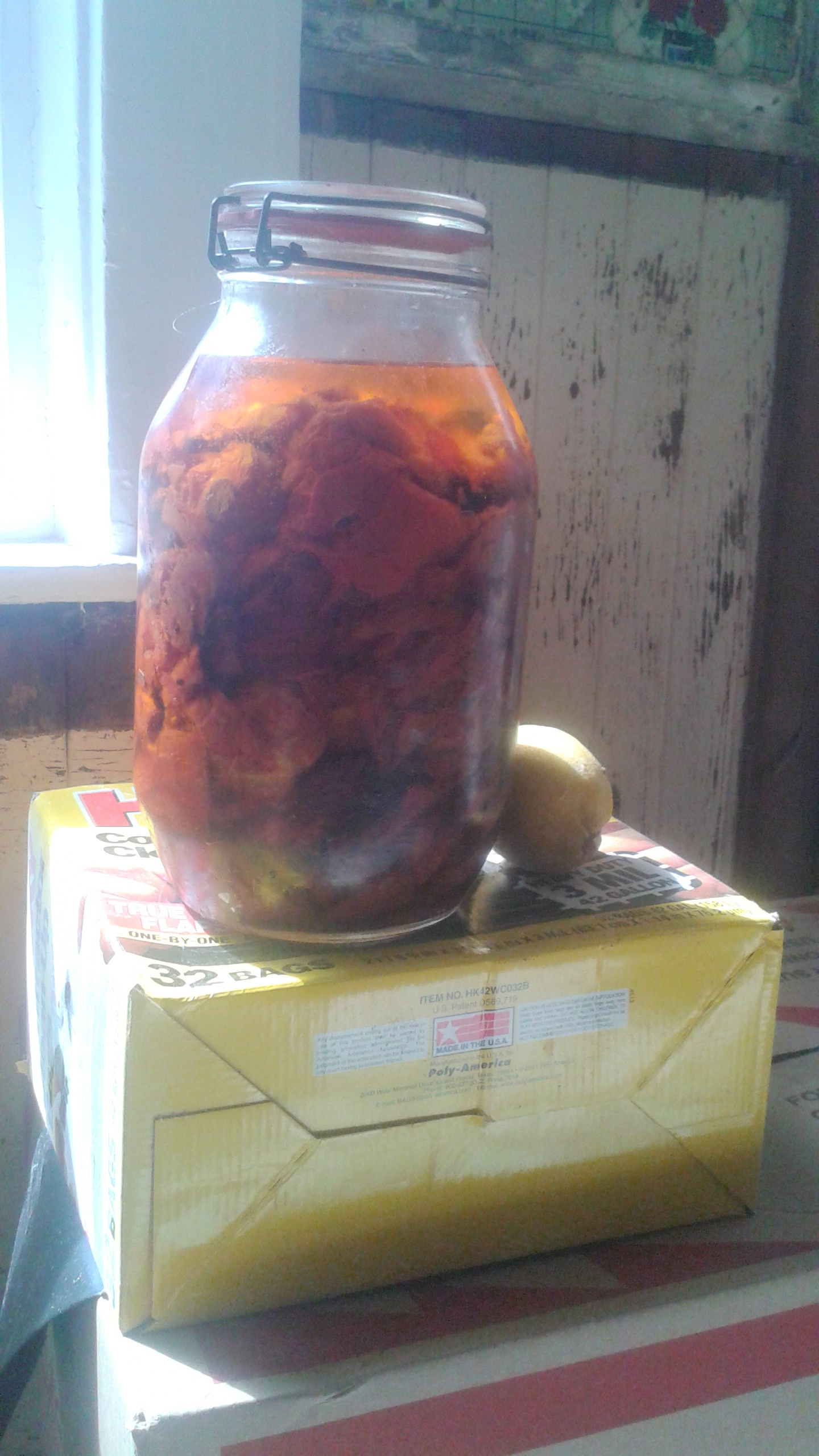
Here is a huge box of upstate New York tomatoes ($10 for the box last week at the farmers’ market in Lyons) converted into a long-term batch of roasted tomatoes in oil.  If we decide to cook pasta in the microwave I can start to use.  More likely they will get use over the winter.

20150829_105619-001 - Copy (2)

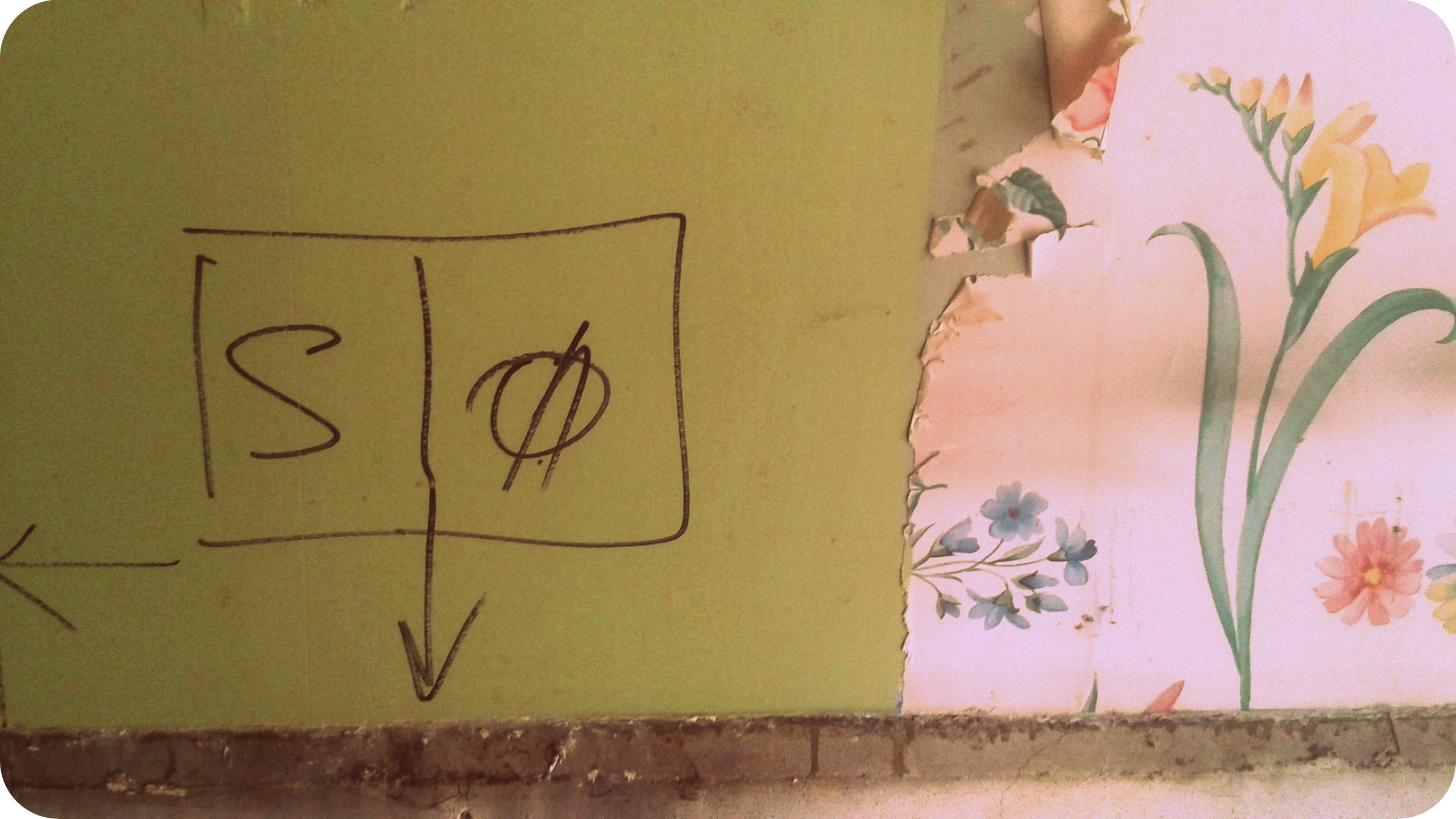
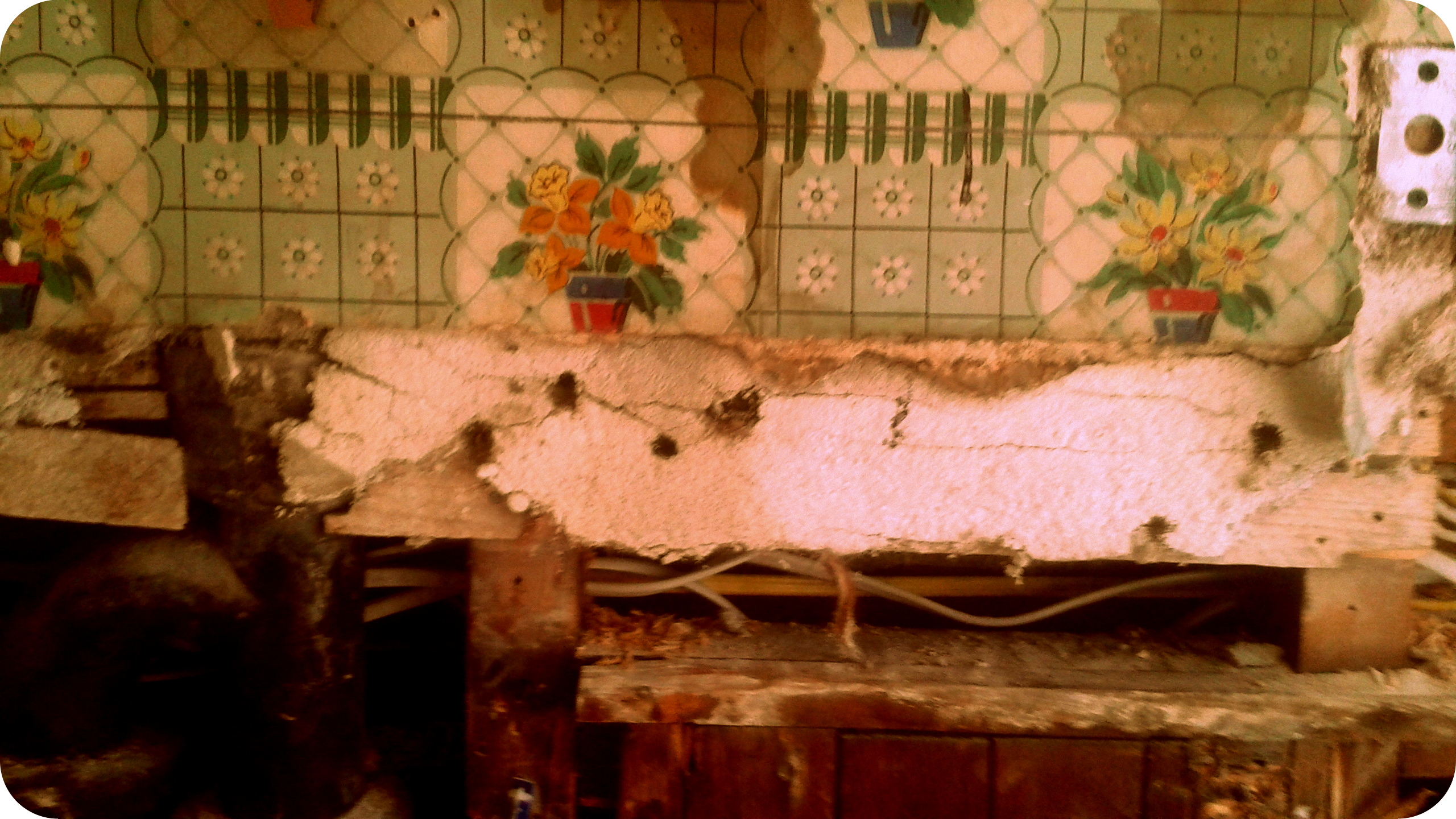
But some pleasures can be derived from the process, especially the visual pleasures of apprehending the various layers of the past visible in the post demolition phase.  Here are some snaps of the stripped down “kitchen”.

20150829_105915-001 20150829_105944 20150829_105850-001 20150829_110117 20150829_110035 20150829_110013-001 20150829_105743 - Copy - Copy 20150829_105751-002 20150829_105810-001 20150829_105717 - Copy - Copy 20150829_105659 - Copy - Copy (2)

Posted in Uncategorized | 2 Comments

Notes on “Tusk”

Fabrizio del Wrongo writes:

tusk-movie-posterIn “Tusk,” writer-director Kevin Smith burrows deep into a hole of self-loathing and misanthropy. He’s beating up on the digital age, on young people, on hip callowness: the movie plays like the howl of a onetime wunderkind who’s become resigned to his place on the pile of mass-cultural indifference. This kind of biliousness has nested in Smith’s work throughout his career, and it’s certainly made itself felt in his private life (all those public explosions), and there’s something refreshing — almost relieving — about watching it geyser up in a noxious plume. It’s the kind of biliousness that springs from one’s soul.

The plot, partially borrowed from “The Human Centipede,” concerns a Hollywood wannabe who’s kidnapped and surgically mutilated until he resembles a walrus. (The fuming moralism, as well as the ironical metamorphosis, suggest “Freaks.”) It’s unexpected territory for Smith, but he finds a way to impose his talents on the premise: the movie is filled with stories delivered in voluminous dialog. At times it’s like a riff on “My Dinner with Andre,” though (somewhat disappointingly?) Smith declines to commit to his incipient narratives. He clips them off just as they begin to suggest themselves.

There’s perverse pleasure to be found in watching Justin Long (perfectly cast) being carved into the shape of a marine mammal. In a couple of beats he’s transformed from a glib Fraggle into a bloated something that looks like a cross between Tim Burton’s Penguin and, well, Kevin Smith. Without a tongue, Long can’t tell you he’s a Mac, can’t even tell you he’s a walrus. He just squeals like a confused pig. It’s Smith’s revenge on superficiality, on talkers, on himself.

The movie is about a half-hour too long (at heart it’s a “Twilight Zone” episode), and it runs into tonal trouble near its end: in trying to be both funny and disturbing, it succeeds in being neither. But perhaps its biggest problem is Johnny Depp, who turns up in the final third as an idiotically grotesque Canadian detective. Smith wastes an inordinate amount of time on Depp: his camera languishes on him, waiting for some effusion of starlight that never comes. When did Depp decide he was Peter Sellers? Someone tell him he isn’t, or turn him into a walrus before he tries it again.

Posted in Movies | Tagged , , , , , , | 1 Comment

Naked Lady of the Week: Gianna Michaels

Blowhard, Esq. writes:

gmcover

One of the most popular of the major mainstream porn stars of the last decade, Seattle native Gianna Michaels is known for her curvy figure, enthusiastic performances, boisterous laugh, and the naughty gleam in her eye. Isn’t it nice when you meet someone who genuinely loves her job? Isn’t it doubly nice when that job involves all manner of nudity and salacious acts? Like many porn stars, she seems to have semi-retired, producing content only for her website and performing as a cam girl.

Nudity below the fold and lots of videos at the tube sites. Have a good weekend.

Continue reading →

Posted in Sex, The Good Life | Tagged , , | Leave a comment