
Blowhard, Esq. writes:
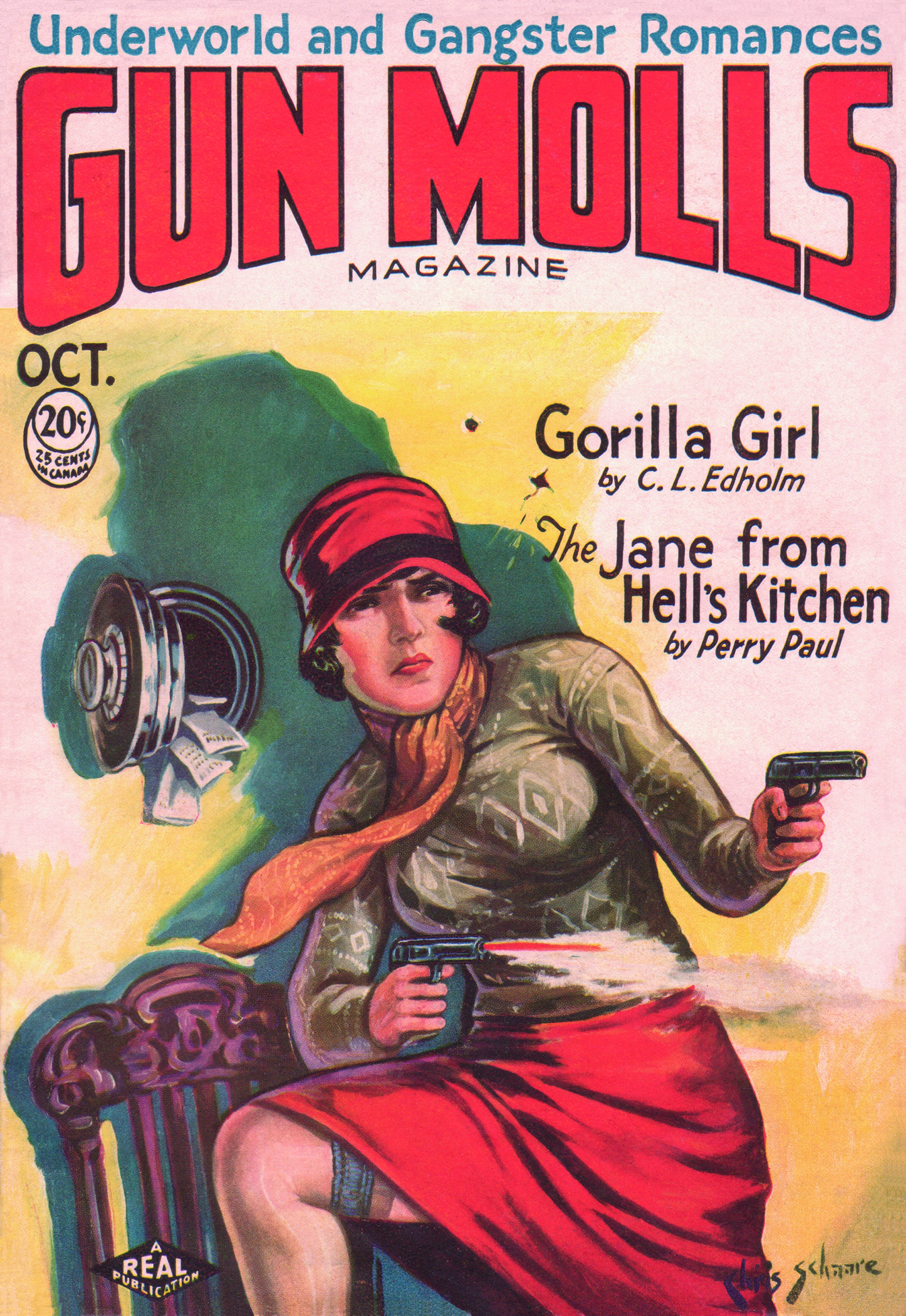
Published October, 1930.
Click on the image to enlarge.
Blowhard, Esq. writes:
Published October, 1930.
Click on the image to enlarge.
Blowhard, Esq. writes:

A UK group calling itself 50 Shades Is Abuse, “the original campaign to raise awareness that the 50 Shades of Grey series romanticises domestic abuse,” isn’t too happy about the movie adaptation opening this week:
“We want to challenge the romanticization of abuse,” says Natalie Collins, the domestic violence worker who founded the campaign. “We want to give people the skills and resources to have conversations with their family and friends about these books, and use them as an opportunity to raise awareness about abuse, which could help women who are currently experiencing violence.
…
“For us, the most concerning bits relate to the controlling behavior that Christian exhibits outside of the bedroom,” Collins says. “He stalks her, he tracks her phone, he finds her workplace, he takes away her independence. Those things are much more concerning in terms of modeling what a healthy, romantic, sexy relationship should be—especially for young girls who will see the movie.”
Given the impending movie premiere, I guess this sort of crap resurfacing was inevitable. Back when the books were still fresh, I argued with a lot of people who made the exact same points. I found their arguments silly then and I find them silly now.
First, no author has any responsibility to “model what a healthy, romantic, sexy relationship should be.” The book is meant to entertain, to deliver a thrill, it’s not a how-to manual. But even to the extent some readers do take it as a Guide To Life, or BDSM, or anything else, that’s on them not E.L. James. Second, it was one thing when we heard these accusations lobbed at Twilight, stuff like, “Oh, the girls reading it are too young and impressionable, we need to protect them from this.” OK, maybe we do. (Though I doubt it.) I don’t have a tween girl so who knows how she’d react. But with 50 Shades the same arguments are being applied to a book meant for adult females. Excuse me, but why are we assuming grown women are so naive and unsophisticated that they can’t separate fantasy from reality? Why are so many people acting like 50 Shades readers are children who need to be protected? I know a number of women who gobbled up all three books, enjoyed them a lot, and got on with their lives. None of them have subsequently submitted themselves to violent or abusive relationships.

I tried reading 50 Shades a few years ago and didn’t get very far, which is unsurprising given that I’m not the book’s target audience, so I can’t speak to the plot particulars. But let’s assume for a moment that the book really is all about the glamorization of abuse and the female character is non-consensually, brutally, and violently abused throughout the book. My response is still: so what? Are adults not allowed to have edgy and un-PC fantasy lives? Must we act like every work of art has to further a desirable social project? Why do so many Lefties believe they need to protect people from the corrupting influence of art? I guess it’s not enough for our public lives to be policed, our private thoughts must be controlled too. Some other examples:
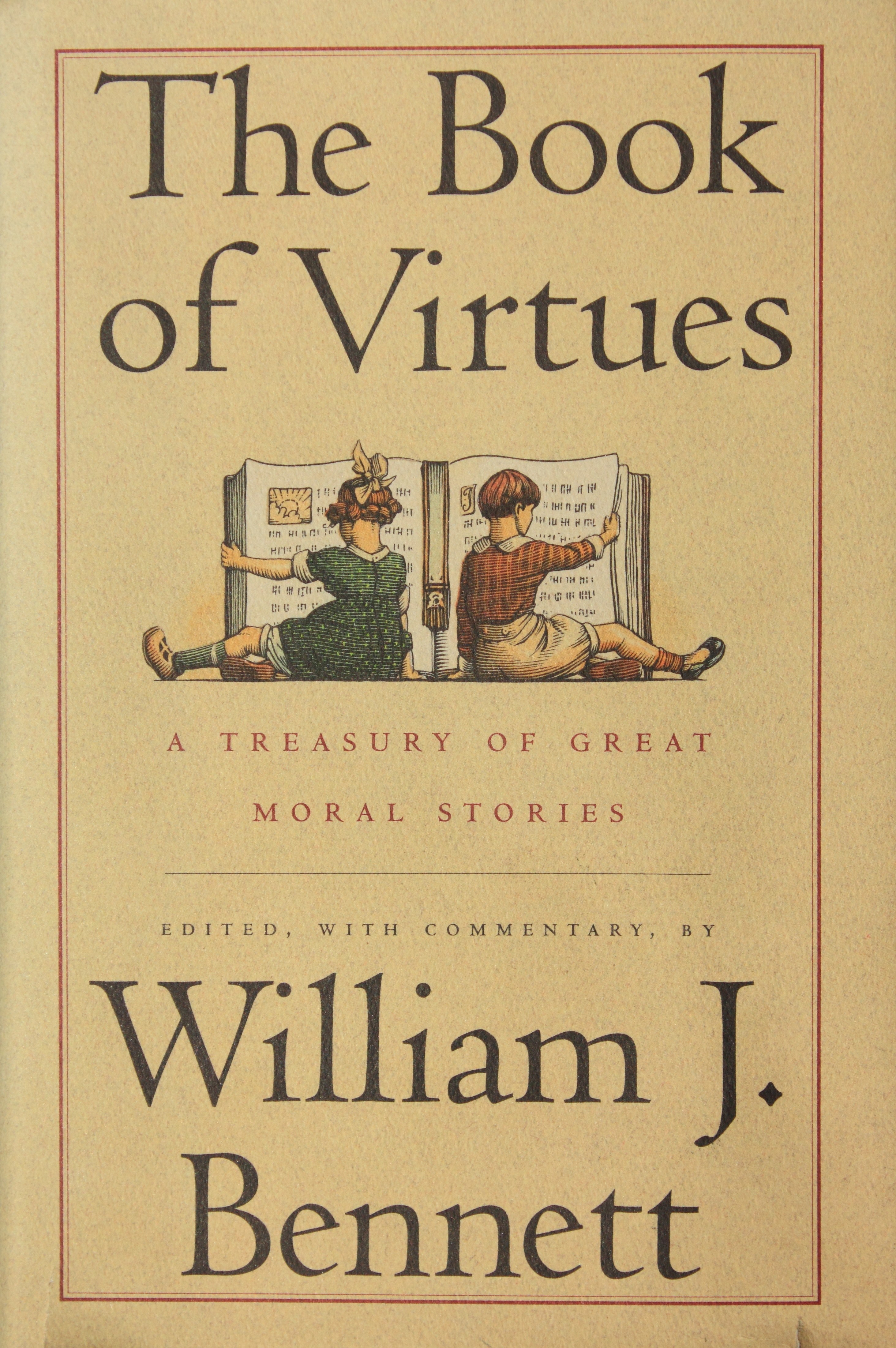
Back in the ’90s when I was young, attacks on the content of art were largely the province of stuffy Righties. Bill Bennett’s best-selling The Book of Virtues (“A Treasury of Great Moral Tales”) attempted to show that Western literature was about instilling “uplifting” values like self-discipline, compassion, responsibility, and courage. Critiques of violent rap lyrics and video games, Tipper Gore notwithstanding, came from conservatives. Progressives at the time laughed at those who wrung their hands over “Cop Killer” or “Fuck Tha Police,” but now progs (autocorrect on my iPhone always wants to turn “progs” to “prigs”) fret over the sex in throwaway mommy porn. Just as conservatives want art to inculcate conservative values, progs want virtuous art to inculcate progressive values. The people making them may have changed, but the arguments then and now are identical. There never seems to be a dearth of finger-waggers out there to ensure we all learn the “right” lessons.
Related
Blowhard, Esq. writes:
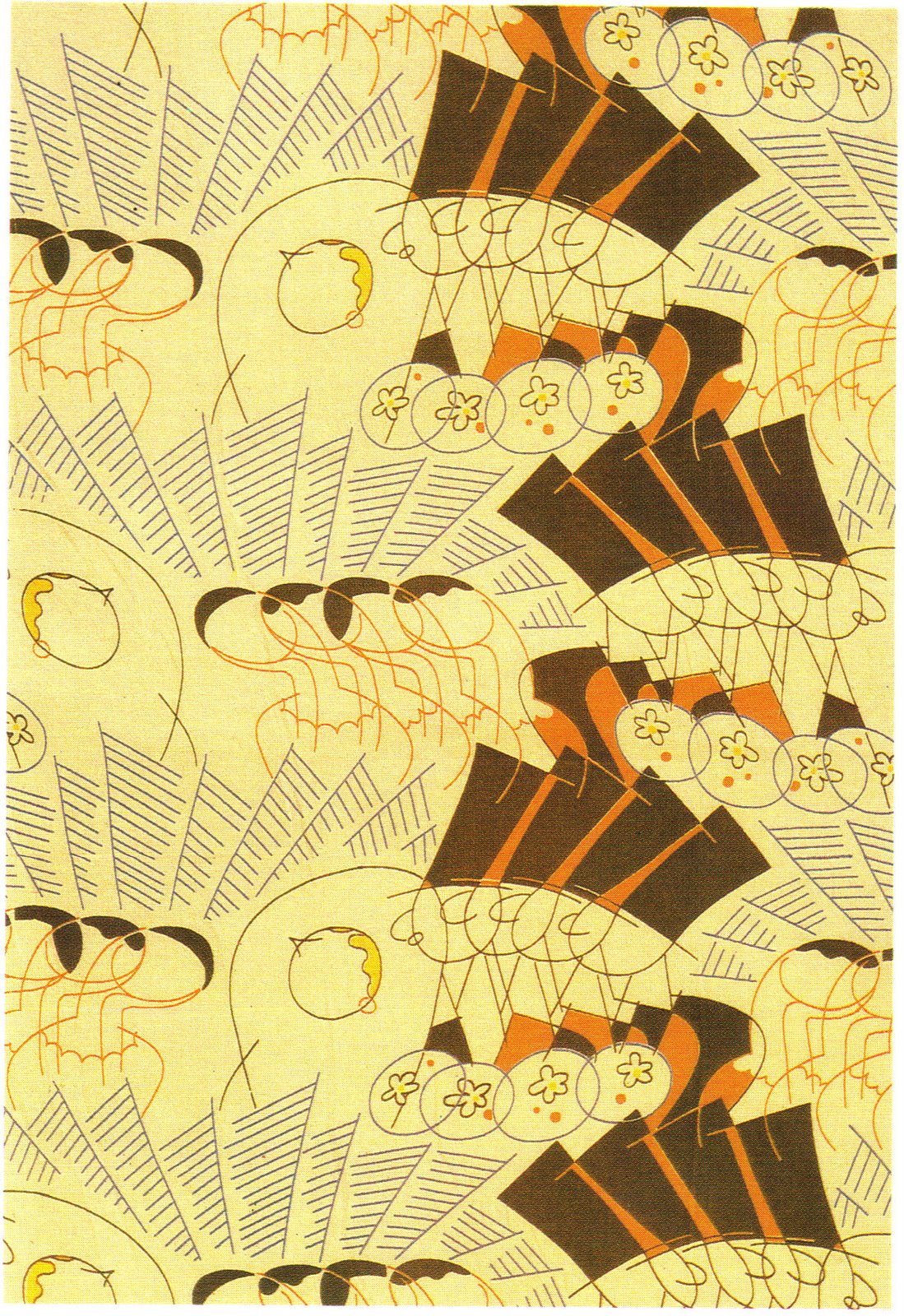
“Gentlemen Prefer Blondes,” a novelty fabric designed by Ralph Barton based on his illustrations for the Anita Loos novel of the same name, crêpe de Chine, 1927.
Click on the image to enlarge.
Fabrizio del Wrongo writes:
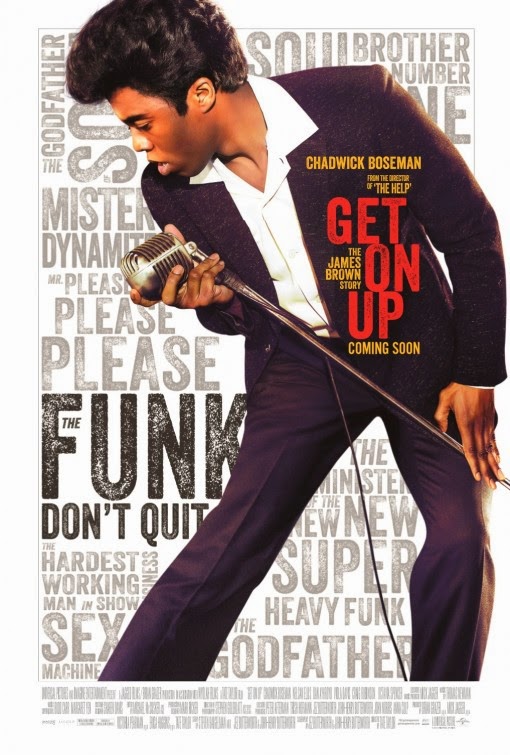
“Get On Up,” the recent biopic about funk legend James Brown, tries to break all the rules. In this sense it’s a bit like Todd Haynes’ “I’m Not There,” which treated the life of Bob Dylan as a medley of styles, attitudes, and costumes. Like “I’m Not There,” “Get On Up,” doesn’t have a clean narrative through-line, but it’s free of that graduate-thesis tone — that brittleness — that can make sitting through a Haynes movie feel like being in school. Director Tate Taylor and writers Jez and John-Henry Butterworth are out to nail Brown as an idea. Their movie is a sort of essay on the artist as a prick and egomaniac — one whose talent and drive were such that the world couldn’t help but slip into his groove.
I suppose it’s trite to describe the movie’s rhythms in musical terms, but that’s what I think Taylor and editor Michael McCusker are going for: The tempo is offbeat, and the manner in which the cutting slides us into and out of different time periods can feel a bit like syncopation. That’s not to say the approach is always successful: there are moments when the picture’s cleverness is apparent more in concept than in execution. But even at these moments I was willing to go with it, perhaps because I’ve seen enough biopics to be wary (and weary) of their conventions. The standard elements of the genre are present in “Get On Up,” but they’ve been filliped, curlicued, truncated. We see that Brown gets involved in drugs, womanizes, and beats his wife — yet we’re denied the narrative effects we expect to flow from the introduction of these elements. At one point we see that Brown’s son has contracted impetigo, but it’s never followed up on; it’s not even explained. Does it need to be? We understand that Brown is an unsatisfactory father. And when the boy later dies in a car crash, our minds fill in the pieces that are missing from the story. That disease, introduced in so unexpected a manner, stays with you in a way a standard scene of neglect would not.
Many have complained about the unconventionality of the movie’s structure. For these folks the narrative beats of the biopic are like the Stations of the Cross: their fulfillment is an end in itself. They want to see the scene in which Brown suffers for doing drugs, in which the battered wife has her say, in which someone chastises JB for mismanaging his money or not being there for his kids. They want these scenes not because they bring them closer to the subject, but because they involve them in a ritualized drama that allows them to feel that the subject has been brought closer to them. Taylor and the Butterworths have, for the most part, dispensed with all that. Instead they’ve given us a movie that keys us into the various facets of ambition and talent — many of them thorny, even unpleasant — and asks us to reckon with them. The points the picture makes are disbursed; they aren’t organized in a linear, one-thing-follows-another fashion. It might help to view “Get On Up” as a scattergraph rather than as a biography. In some ways it’s closer to “Tyson” than it is to “Ray.”
The movie does overdo a couple of ideas. I grew tired of the callbacks to the actor who plays the juvenile Brown; they’re inserted into the picture whenever the filmmakers want us to remember the singer’s roots as a pauper and an orphan. There’s a sort of desperation in this, a sense that Taylor is worried you’ll fall out of sympathy with his subject. It’s hard to blame him: he is, after all, making a commercial movie. Yet it’s deadening because it contradicts the fast-and-loose bravado of the surrounding material. I had similar feelings about some of the scenes between Brown and his friend and bandmate Bobby Byrd. Byrd, who is played by the beatific Nelsan Ellis, is saddled with the Joseph Cotten role from “Citizen Kane,” and his nobility gradually becomes a bore. Fortunately, the character is redeemed somewhat by the wonderful last sequence, which has Brown plaintively serenade his wayward friend with a moving a capella version of “Try Me.” It’s one of the more affecting evocations of male friendship in recent movies.
It makes sense that Brown would make peace through song: The movie’s theme, expressed through its style as well as in words by a producer character while attempting to describe the appeal of Brown’s grunts and squeals, is that surface details are capable of conveying a deeper resonance, a fuller meaning. And the timbre of Brown’s voice in that sequence says all that’s worth saying about his feelings for Byrd. What is the meaning of James Brown? I think it’s to the movie’s credit that it doesn’t present you with one — you have to glean it from the details. It’s in the keyed-up dazzle of the editing and the sizzle of DP Stephen Goldblatt’s period images, many of which have the closeness and heat of vintage concert photographs. It’s in the screenplay’s pugnacious refusal to apologize, explain, or make excuses. And it’s in the sinewy performance of Chadwick Boseman, who portrays Brown as a man challenging the world to keep pace with his talent.
I didn’t love Boseman’s performance as much as many others did. There are moments when you can see him trying to summon Brown’s gnomic brand of braggadocio and not quite succeeding. There are even moments when I thought I detected terror in his eyes as, probably, he delved deep for something and then realized he hadn’t quite found the right vein. This usually happens when the screenplay has him address the camera directly — a problematic device, though it pays off in a couple of instances. Still: Was there a tougher role in movies in 2014? Playing James Brown while avoiding caricature is no mean feat. And in a physical sense at least Boseman is all one could hope for. He maps out in sweat and persistence an image that does justice to the hardest working man in show business.
Blowhard, Esq. writes:
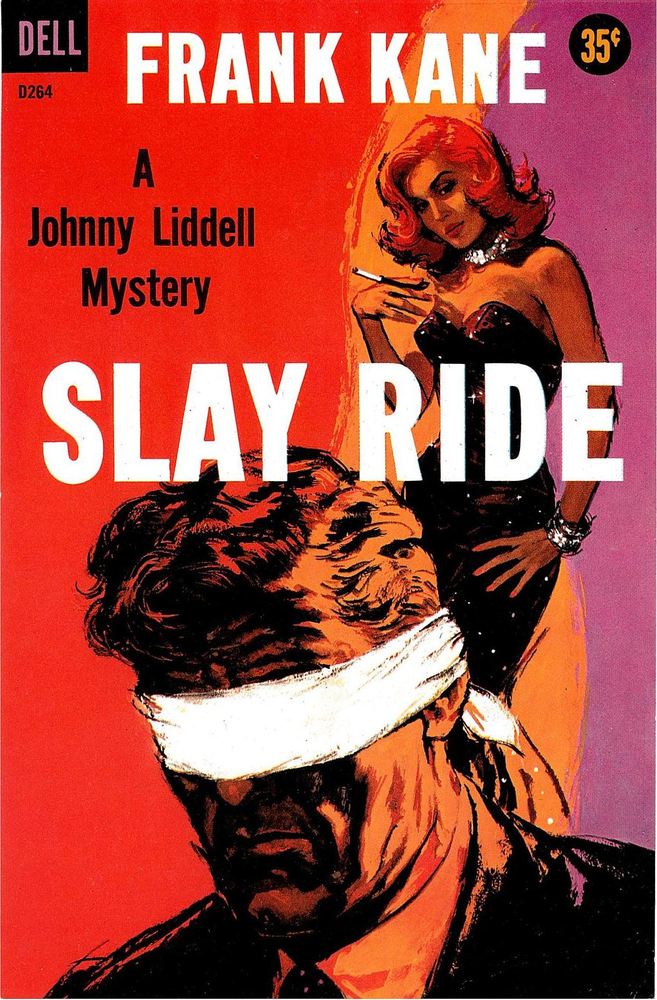
A pulp cover by Victor Kalin. More here and here.
Click on the image to enlarge.
Blowhard, Esq. writes:
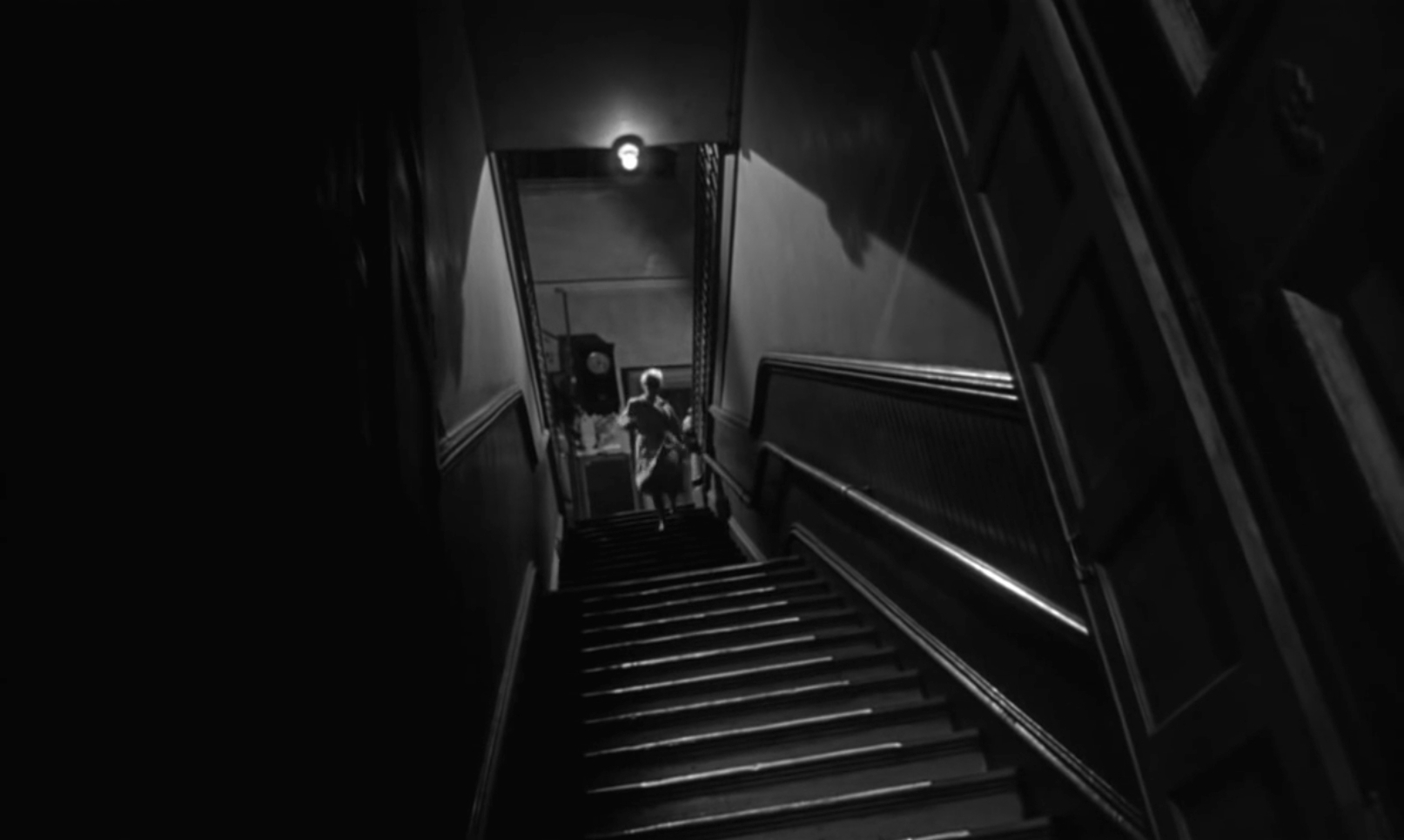
A while back I watched KISS ME DEADLY and was struck by the excellent composition by director Robert Aldrich and cameraman Ernest Lazlo, in particular the way they were able to draw your eye through the frame. Check out some of these examples.


Fabrizio del Wrongo writes:
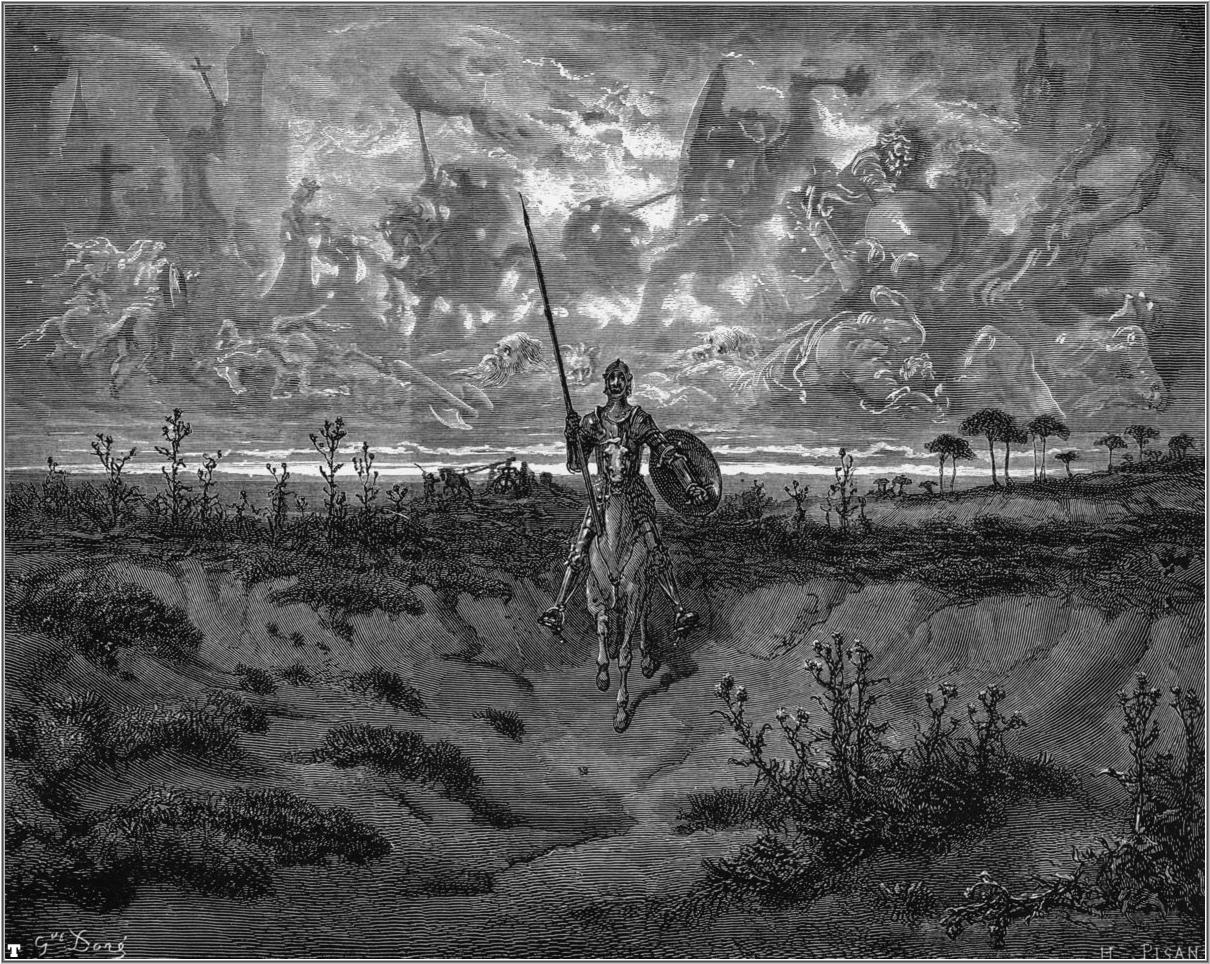
The canon and his servants were surprised anew when they heard Don Quixote’s strange story, and when it was finished he said, “To tell the truth, senor curate, I for my part consider what they call books of chivalry to be mischievous to the State; and though, led by idle and false taste, I have read the beginnings of almost all that have been printed, I never could manage to read any one of them from beginning to end; for it seems to me they are all more or less the same thing; and one has nothing more in it than another; this no more than that. And in my opinion this sort of writing and composition is of the same species as the fables they call the Milesian, nonsensical tales that aim solely at giving amusement and not instruction, exactly the opposite of the apologue fables which amuse and instruct at the same time. And though it may be the chief object of such books to amuse, I do not know how they can succeed, when they are so full of such monstrous nonsense. For the enjoyment the mind feels must come from the beauty and harmony which it perceives or contemplates in the things that the eye or the imagination brings before it; and nothing that has any ugliness or disproportion about it can give any pleasure. What beauty, then, or what proportion of the parts to the whole, or of the whole to the parts, can there be in a book or fable where a lad of sixteen cuts down a giant as tall as a tower and makes two halves of him as if he was an almond cake? And when they want to give us a picture of a battle, after having told us that there are a million of combatants on the side of the enemy, let the hero of the book be opposed to them, and we have perforce to believe, whether we like it or not, that the said knight wins the victory by the single might of his strong arm. And then, what shall we say of the facility with which a born queen or empress will give herself over into the arms of some unknown wandering knight? What mind, that is not wholly barbarous and uncultured, can find pleasure in reading of how a great tower full of knights sails away across the sea like a ship with a fair wind, and will be to-night in Lombardy and to-morrow morning in the land of Prester John of the Indies, or some other that Ptolemy never described nor Marco Polo saw? And if, in answer to this, I am told that the authors of books of the kind write them as fiction, and therefore are not bound to regard niceties of truth, I would reply that fiction is all the better the more it looks like truth, and gives the more pleasure the more probability and possibility there is about it. Plots in fiction should be wedded to the understanding of the reader, and be constructed in such a way that, reconciling impossibilities, smoothing over difficulties, keeping the mind on the alert, they may surprise, interest, divert, and entertain, so that wonder and delight joined may keep pace one with the other; all which he will fail to effect who shuns verisimilitude and truth to nature, wherein lies the perfection of writing. I have never yet seen any book of chivalry that puts together a connected plot complete in all its numbers, so that the middle agrees with the beginning, and the end with the beginning and middle; on the contrary, they construct them with such a multitude of members that it seems as though they meant to produce a chimera or monster rather than a well-proportioned figure. And besides all this they are harsh in their style, incredible in their achievements, licentious in their amours, uncouth in their courtly speeches, prolix in their battles, silly in their arguments, absurd in their travels, and, in short, wanting in everything like intelligent art; for which reason they deserve to be banished from the Christian commonwealth as a worthless breed.”
The curate listened to him attentively and felt that he was a man of sound understanding, and that there was good reason in what he said; so he told him that, being of the same opinion himself, and bearing a grudge to books of chivalry, he had burned all Don Quixote’s, which were many; and gave him an account of the scrutiny he had made of them, and of those he had condemned to the flames and those he had spared, with which the canon was not a little amused, adding that though he had said so much in condemnation of these books, still he found one good thing in them, and that was the opportunity they afforded to a gifted intellect for displaying itself; for they presented a wide and spacious field over which the pen might range freely, describing shipwrecks, tempests, combats, battles, portraying a valiant captain with all the qualifications requisite to make one, showing him sagacious in foreseeing the wiles of the enemy, eloquent in speech to encourage or restrain his soldiers, ripe in counsel, rapid in resolve, as bold in biding his time as in pressing the attack; now picturing some sad tragic incident, now some joyful and unexpected event; here a beauteous lady, virtuous, wise, and modest; there a Christian knight, brave and gentle; here a lawless, barbarous braggart; there a courteous prince, gallant and gracious; setting forth the devotion and loyalty of vassals, the greatness and generosity of nobles. “Or again,” said he, “the author may show himself to be an astronomer, or a skilled cosmographer, or musician, or one versed in affairs of state, and sometimes he will have a chance of coming forward as a magician if he likes. He can set forth the craftiness of Ulysses, the piety of Aeneas, the valour of Achilles, the misfortunes of Hector, the treachery of Sinon, the friendship of Euryalus, the generosity of Alexander, the boldness of Caesar, the clemency and truth of Trajan, the fidelity of Zopyrus, the wisdom of Cato, and in short all the faculties that serve to make an illustrious man perfect, now uniting them in one individual, again distributing them among many; and if this be done with charm of style and ingenious invention, aiming at the truth as much as possible, he will assuredly weave a web of bright and varied threads that, when finished, will display such perfection and beauty that it will attain the worthiest object any writing can seek, which, as I said before, is to give instruction and pleasure combined; for the unrestricted range of these books enables the author to show his powers, epic, lyric, tragic, or comic, and all the moods the sweet and winning arts of poesy and oratory are capable of; for the epic may be written in prose just as well as in verse.”
– Miguel de Cervantes Saavedra, as translated by John Ormsby
Fenster writes:
Harvard Law is starting something new, which it calls a Systemic Justice project. Here is a write-up from the Boston Globe.
What is it? That’s emerging. “None of us really knows what ‘systemic justice’ is—yet you’re all here,” says Professor Jon Hanson to a full class.
The class Hanson teaches
is part of a new Systemic Justice Project at Harvard, led by Hanson and recent law school graduate Jacob Lipton. They’re also leading a course called the Justice Lab, a kind of think tank that will ask students to analyze systemic problems in society and propose legal solutions. Both classes go beyond legal doctrine to show how history, psychology, and economics explain the causes of injustice. A conference in April will bring students and experts together to discuss their findings.
It is a little too soon to evaluate this. Hanson acknowledges no one knows yet what systemic justice means. And a review of the Systemic Justice blog does suggest that the program is in its infancy–there’s not a lot there. That may suggest the impetus is at least partly market-based: as Hanson acknowledges, students are showing up even though they also don’t know exactly what “it” is. What is not to be doubted, though, is that the current generation of students is highly interested in the kinds of things the project is up to: food policy, racial justice, etc., and Harvard seems out to provide “it” to them.
The program tilts left, for sure, but not as dramatically as, say, Critical Justice Theory. As it is, Systemic Justice feels middle-class, a kind of Critical Justice Lite, nodding toward systems of power but less willing to use the CJT’s hard left confrontational lingo of race, class and gender oppression. Harvard students will like it!
So it will probably be popular. Is it a good idea?
That depends on direction. It is completely true, as advocates argue, that the law is inherently political. But what of it? Even if it is political, there are reasons society has seen fit to emphasize its instrumental qualities in the practice of it. It’s kind of like the Separation of Powers doctrine. Human nature wants to fuse executive, political and judging instincts all the time, and human nature ensures that a lot of that fusing is inevitable. But that’s why we have the doctrine in the first place: to remind us to keep some sort of boundaries in place. Something there is that doesn’t love a wall, and it is up to us to make for the good fences that make for good neighbors.
So too with the practice of law. We need the illusion that law is instrumental. Otherwise people–including attorneys!–would be too prone to conclude that law x has no weight due to the injustice and bias present at its creation.
Does that mean no one should question the law and that all must be blind to its political character? Of course not. The intersection of politics and the law — including the question of power and justice — is an important issue and fair game from an academic point of view. And in fact courses of study dealing with such things are quite common in departments of political science and schools of public policy. In fact, a quick perusal of the Harvard Systemic Justice website suggests that the curriculum there would not be out of place in a school of public policy, albeit a school with a distinct left bias.
So if Harvard intends to examine the connections between law and policy the better to inform the many lawyers who will graduate and not practice law per se, more power to ’em. But beware the morph from a policy emphasis to a taking of sides in a political process. There, a lawyer has no special claim on the truth by virtue of a legal education. Stand in line with the rest of us in trying to influence the political process.
The article approvingly quotes the dour pessimist Holmes, who wrote in 1897 that “for the rational study of law the blackletter man may be the man of the present, but the man of the future is the man of statistics and the master of economics.” Just so. But Holmes is speaking of the need on the part of the law to go beyond an expressive function and understand actual effects. I do not think he meant that lawyers ought to be part of an advanced cadre, one that is happy to hijack the normal political process in the name of some superior version of justice made possible by a legal education.
Fabrizio del Wrongo writes:
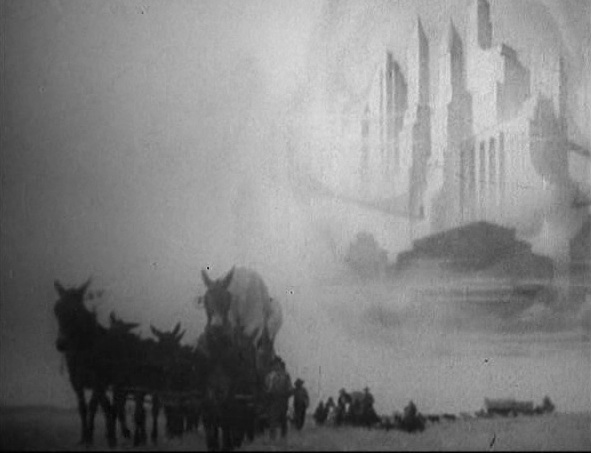
Howard Estabrook came up with the story for this 1932 RKO production, and it plays a bit like the Estabrook-scripted “Cimmarron” of the previous year, though it’s been divested of the epic trappings that made the earlier picture an award winner. Like most Wellman-directed movies of the era, it’s both ambitious and lean: Few filmmakers are capable of presenting such large chunks of characterization with Wellman’s seat-of-the-pants speed and looseness. The movie seems to wind down and regenerate every ten minutes, yet it’s verve and momentum hold it together — they give it a shape in your mind.
It’s of the look-how-far-we’ve-come genre that was popular with ’30s audiences, a large portion of which had been born in the 19th century and witnessed the advent of movies, the automobile, and the modern city. To these folks recent history must have seemed like a sort of movie, incredible yet real, and seeing their experiences concretized on screen must have been a communal act of affirmation. Pictures of this ilk — “Cimmarron” and Borzage’s “Secrets” are two others — aren’t nostalgic, exactly; they’re more concerned with recording, with getting it all down before it’s forgotten. And they’re too enamored of progress to be romantic about the past.
“Progress” would do as the motto of “The Conquerors.” The family at its center is always moving, both spiritually and physically: the rudimentary plot details their trek from New York to the Midwest, their founding of a banking empire, and their negotiation — not always successful — of historical cataclysms like the First World War. Taken as a whole the story isn’t particularly interesting, and it sounds some banal notes, especially when its characters stoop to delivering speeches about the value of keeping your chin up and sticking to it. But individual vignettes are exciting. Some favorite moments: a gasp-inducing shot of robbers being hanged on a single branch, their twitching legs intercut with the hooves of the horses used to hoist them; a montage of ankles and footwear that traces the maturation of a young woman; and a terrific backwards track showing a crowd — seemingly the whole town — suddenly surging forward like a wave upon recognizing a child’s imperilment. Some of the more interesting sequences, including, presumably, the effects-heavy ones encapsulating the cyclical booms and busts of the American financial markets, are the work of Slavko Vorkapich, the father of the eye-popping Hollywood montage. (Vorkapich is credited with “transitional effects.” The movie is about 30% transitions.)
Considering the wide-ranging nature of the picture, the cast is fairly limited. Comic support players Guy Kibbee and Edna May Oliver register most strongly, and they’re enjoyable even when Wellman allows them to overdo their shticks. I suspect the director enjoyed their verve more than he did star Richard Dix’s stalwart brand of gallantry.
Related
Fabrizio del Wrongo writes:

Shu Qi is among the most famous Asian actresses in the world, known for her roles in populist fare (the first “Transporter” film) as well as arthouse material (several Hou Hsiao-Hsien projects). But the Taiwanese-born beauty got her start as a nude model in the ’90s; she’s even appeared in few softcore movies.
Looking at Qi today — she appears in Stephen Chow’s latest nutball extravaganza, “Journey to the West” — you wouldn’t guess that she’s knocking on the door of 40. She’s still as slim and as sylph-like as she was all those years ago.
The movie stuff is just one part of Qi’s portfolio; she’s also forged a career as a big-time fashion model. Have any American actresses started out doing erotic material and ended up as movie stars and fashion plates? There must be a few. The pre-Hollywood Demi Moore posed nude for some European magazines, but that wasn’t exactly a career . . .
Enjoy the nakedness below the fold. Have a good weekend.
 Blowhard, Esq.
 Callowman
 Sherbrooke
 Eddie Pensier
 Enzo Nakamura
 Epaminondas
 Fabrizio del Wrongo
 Fenster
 Brundle Guy
 Glynn Marshes
 Paleo Retiree
 Atypical Neurotic
 Question Lady
 Sax von Stroheim
 Sir Barken Hyena
 The Mistaken
 Uncouth Reflections