
Eddie Pensier writes:
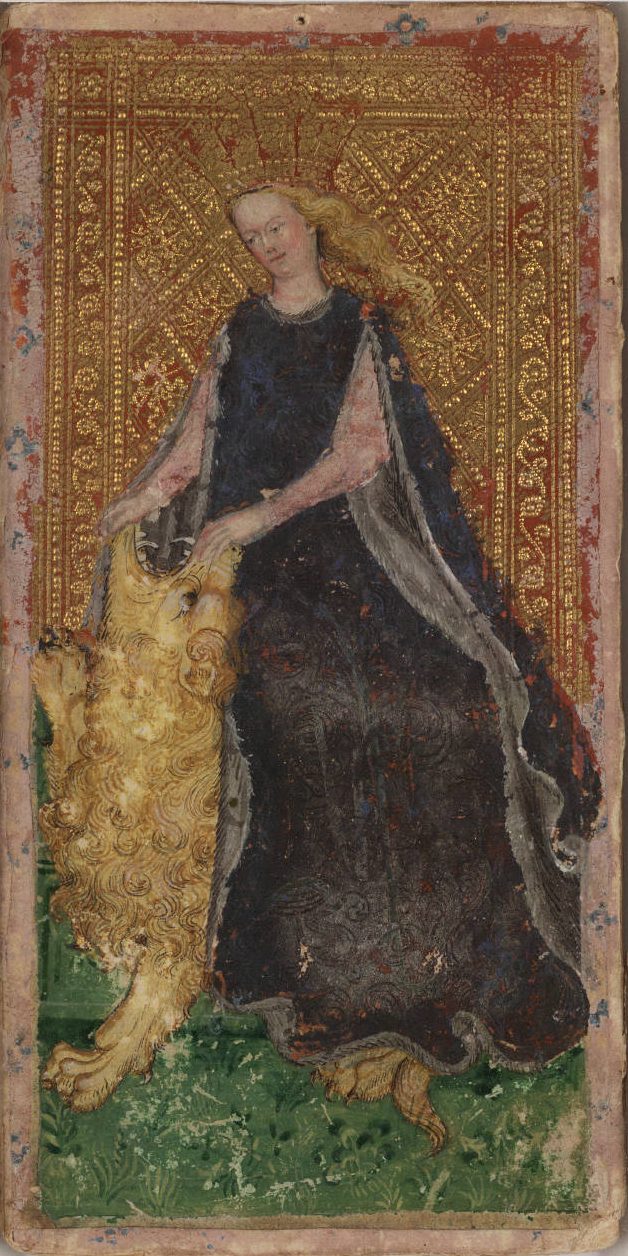
“Strength” from the Visconti-Sforza tarot, c.1442-1447.
Eddie Pensier writes:
“Strength” from the Visconti-Sforza tarot, c.1442-1447.
Eddie Pensier writes:
From our good friend Raymond Padilla of RPAD.TV, comes this epic trailer of the upcoming Adult Swim series.
Your reaction will probably fall into one of two general categories:
a) This is a harbinger of the downfall of civilization as we know it.
b) Gottawatchitgottawatchitgottawatchit.
I’m in camp b). Mysteries, chupacabras, and Norm McDonald as a sex-crazed pigeon. What more do you need from your entertainment, I ask?
Paleo Retiree writes:

For the “No, it’s not a Creepshot” side, I can see the following arguments:
And for the “Yes, it’s a Creepshot” side:
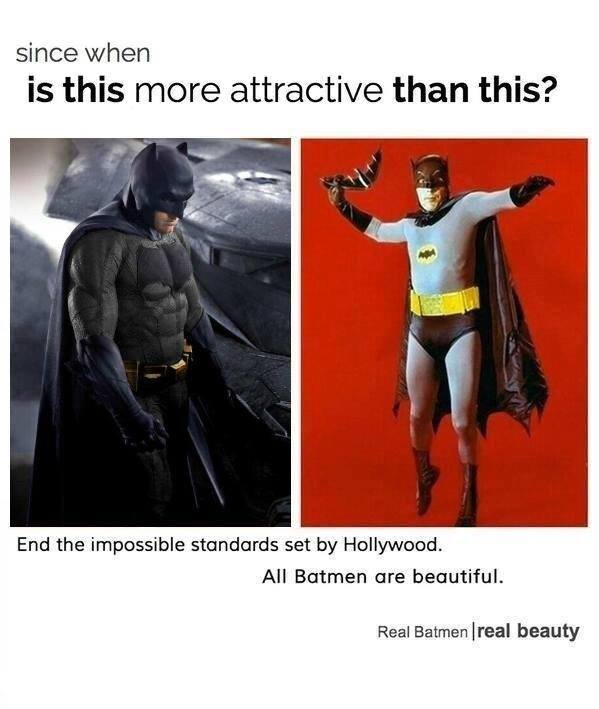
Are there additional factors I’m overlooking? And where do you come down on the crucial “Is it a Creepshot or not?” question in this case? FWIW, my own deep thoughts don’t go a lot further than, “Hey, when life presents you with something like this, how can you not sneak and share a shot of it?”
Related
Blowhard, Esq. writes:
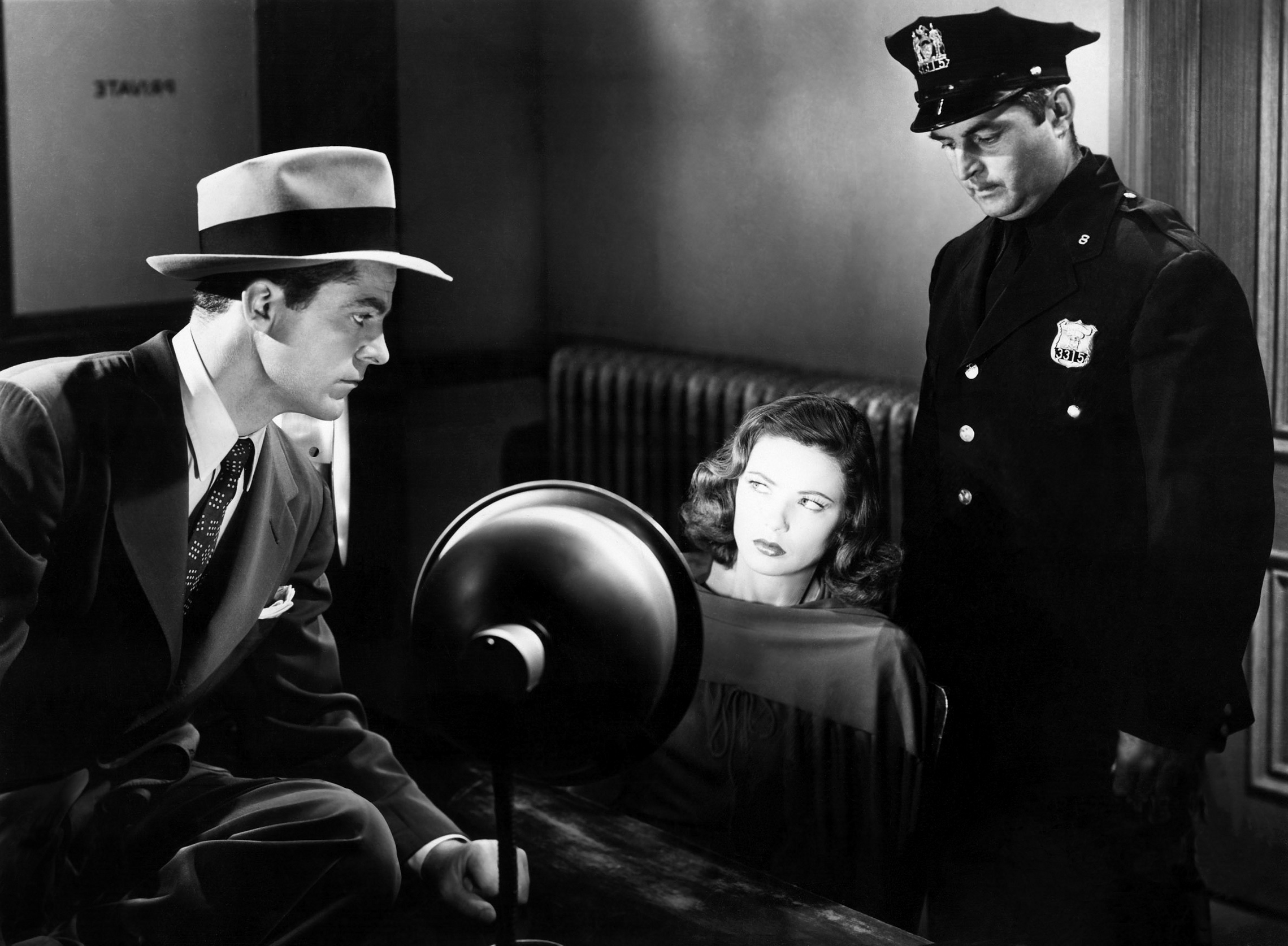
Dana Andrews, Gene Tierney, and Clifton Webb in Otto Preminger’s LAURA (1944). I was reminded of this shot while browsing The Noir Style by Alain Silver and James Ursini.
Click on the image to enlarge.
Fenster writes:
Ornette Coleman, Sadness.
Eddie Pensier writes:
There aren’t many singers who have epitomized the true meaning of bel canto better than Carlo Bergonzi. It literally means “beautiful singing”, and refers to the style or school that emphasizes vocal beauty and line above other dramatic considerations, and Bergonzi lived it until the moment of his passing on Friday.
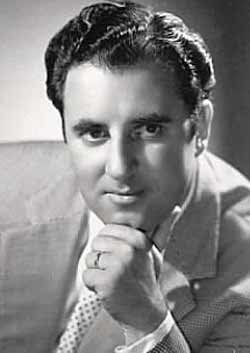
He was the first to admit he was no singing actor. Short, dumpy, and lacking in theatrical aptitude, he was certainly nobody’s idea of a matinée idol. But the voice made up for it in spades. Richer than your average lyric tenor but more graceful than a dramatic tenor, Bergonzi stuck to his core Italian rep and became one of the greats by not overexerting his instrument. As a result, he was able to sing gloriously well past the usual mid-50s expiry date for tenors.
This is him in 1967, singing one of his great roles of Nemorino in L’elisir d’amore. Note the unabashed and currently unfashionable naked emotion, in the form of the little hitched sobs at the beginning and ending of phrases. Note also that he walks completely out of camera range for about 40 seconds in the middle, and the cameraman doesn’t seem to notice, or care. As you wouldn’t, because you weren’t there to watch: you were there to hear.
The 1959 Decca/Serafin recording of La bohème with Bergonzi and Renata Tebaldi is considered by many aficionados to be the best one available (personally I veer back and forth between it and the 1956 Beecham/Björling/de los Angeles, with a soft spot reserved for the 1963 Schippers/Gedda/Freni). The Act 1 duet “O soave fanciulla” will give you shivers.
Blowhard, Esq. writes:
I’ve been enjoying this biography of Steve Ditko which also contains a healthy survey of his work. Check out this trippy, psychedelic sampling of some of his comic covers and art from the late 50s and 60s.


Fabrizio once summed it up nicely when he said “Fuck Roy Lichtenstein.”


Related
Eddie Pensier writes:
The late American tenor Jerry Hadley gives us a haunting and wistful rendition of this tune, from Street Scene.
Like Porgy and Bess, Street Scene is often the basis for pedantic musical arguments about whether it’s an opera or a musical. Its composer, Kurt Weill, didn’t help matters by pronouncing it a “Broadway Opera” or sometimes an “American Opera”. (The piece’s lyrics were written by Langston Hughes, the book by Elmer Rice.) Despite winning the first-ever Tony Award for Best Original Score in 1947, it has never been revived in a legit Broadway theater. When it has been produced, it’s nearly always been in an opera house (or community theater, or school) with operatic-type voices in most of the roles. It actually feels rather dated–a strange thing to say about an opera, I’ll grant you–, but it’s still a powerful and gripping piece of Americana, and this is one of its best numbers.

 Blowhard, Esq.
 Callowman
 Sherbrooke
 Eddie Pensier
 Enzo Nakamura
 Epaminondas
 Fabrizio del Wrongo
 Fenster
 Brundle Guy
 Glynn Marshes
 Paleo Retiree
 Atypical Neurotic
 Question Lady
 Sax von Stroheim
 Sir Barken Hyena
 The Mistaken
