Blowhard, Esq. writes:
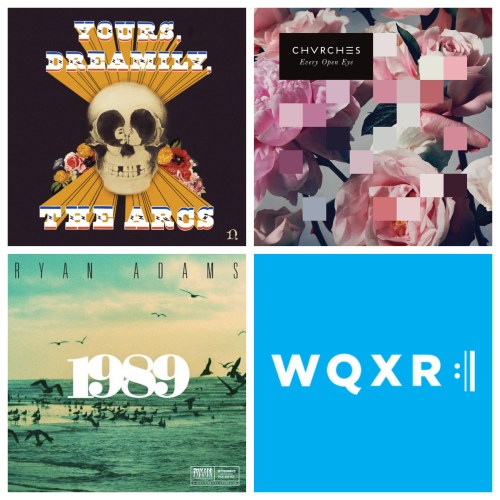
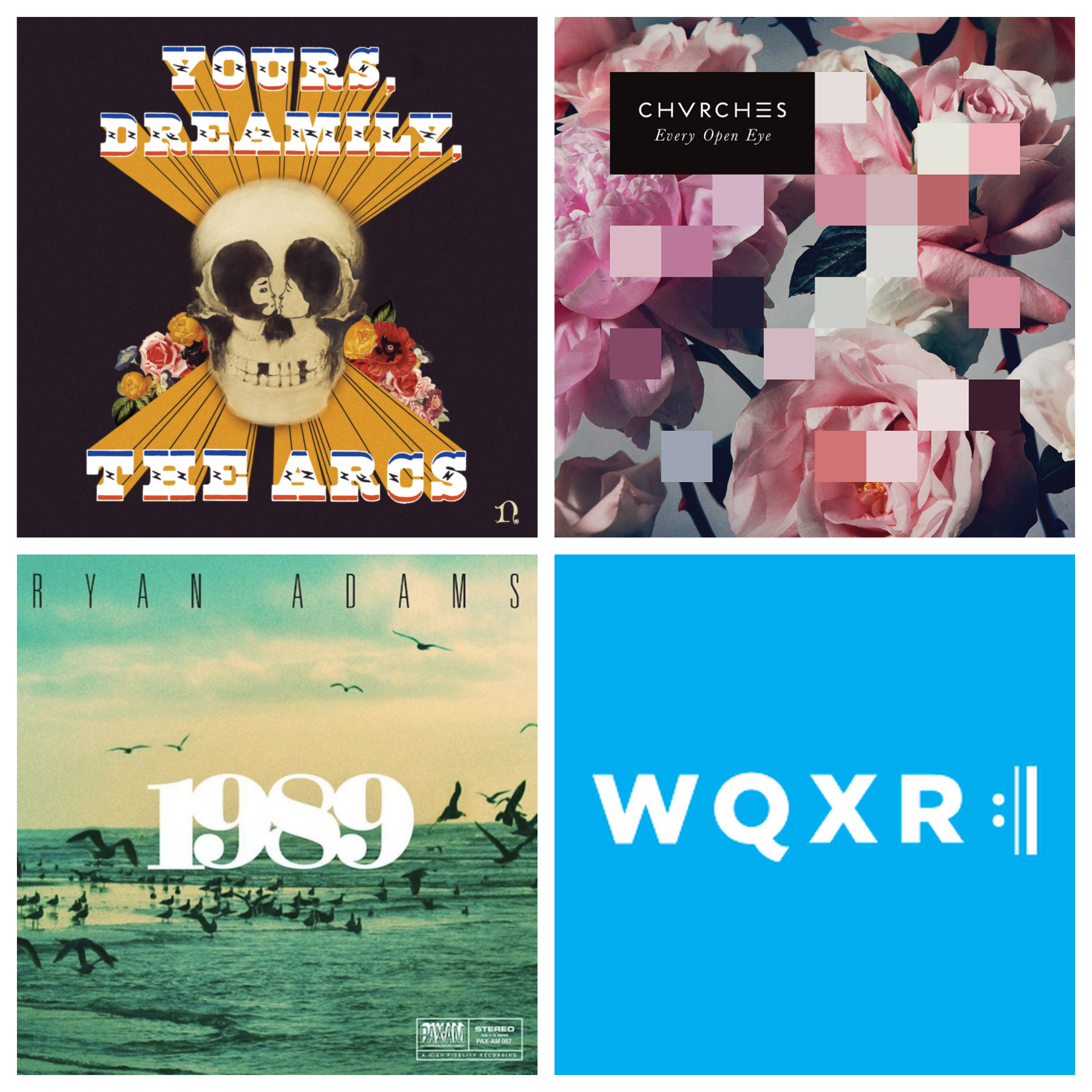
In a nice bit of symmetry, three of my favorite albums from last year had sequels this year. Dan Auerbach of The Black Keys gave us more retro rock n’ roll grooves with The Arcs’ Yours, Dreamily, Chavurches delivered more hooky Europop synth bliss with Every Eye Open, and I dug Ryan Adams‘s track-for-track cover of Taylor Swift’s 1989. In an attempt to convince myself I’m not a complete Philistine, I start off every work day with Annie Bergen on WQXR.
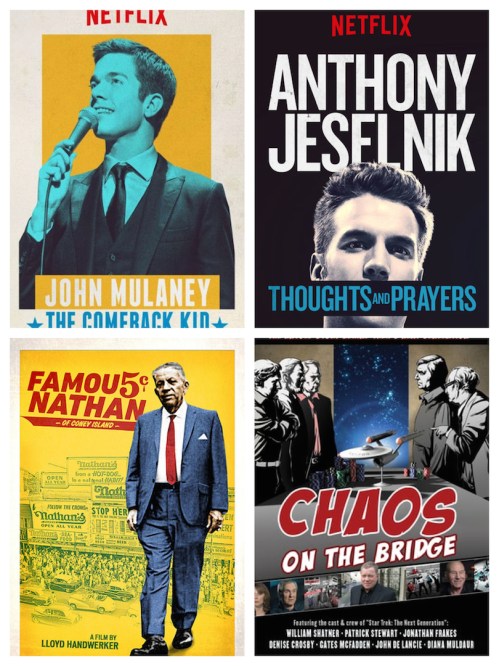
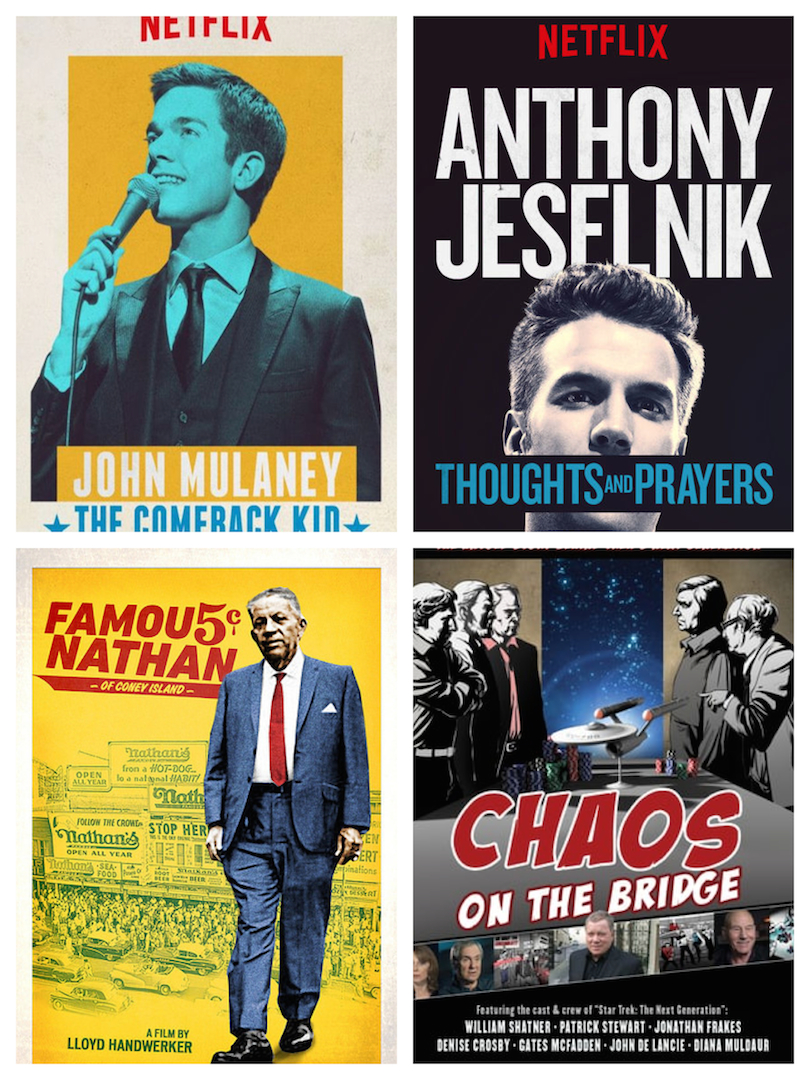
I saw hardly any new movies this year. Of movies released in 2015, my favorites were two comedy specials and two documentaries. As for comedy, John Mulaney’s The Comeback Kid and Anthony Jeselnik’s Thoughts and Prayers make a nice contrast. The former’s persona is a mega square from Wisconsin while the latter is an evil prince of darkness, but both are hilarious. On the documentary side, I was fascinated by Lloyd Handwerker’s Famous Nathan and William Shatner’s Chaos on the Bridge, both of which look at talented visionaries trying and failing to maintain their empires. All four are currently streaming on Netflix.
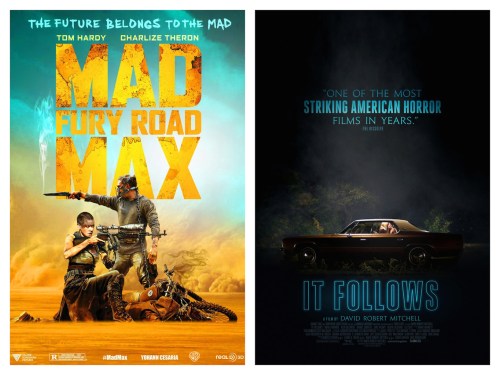
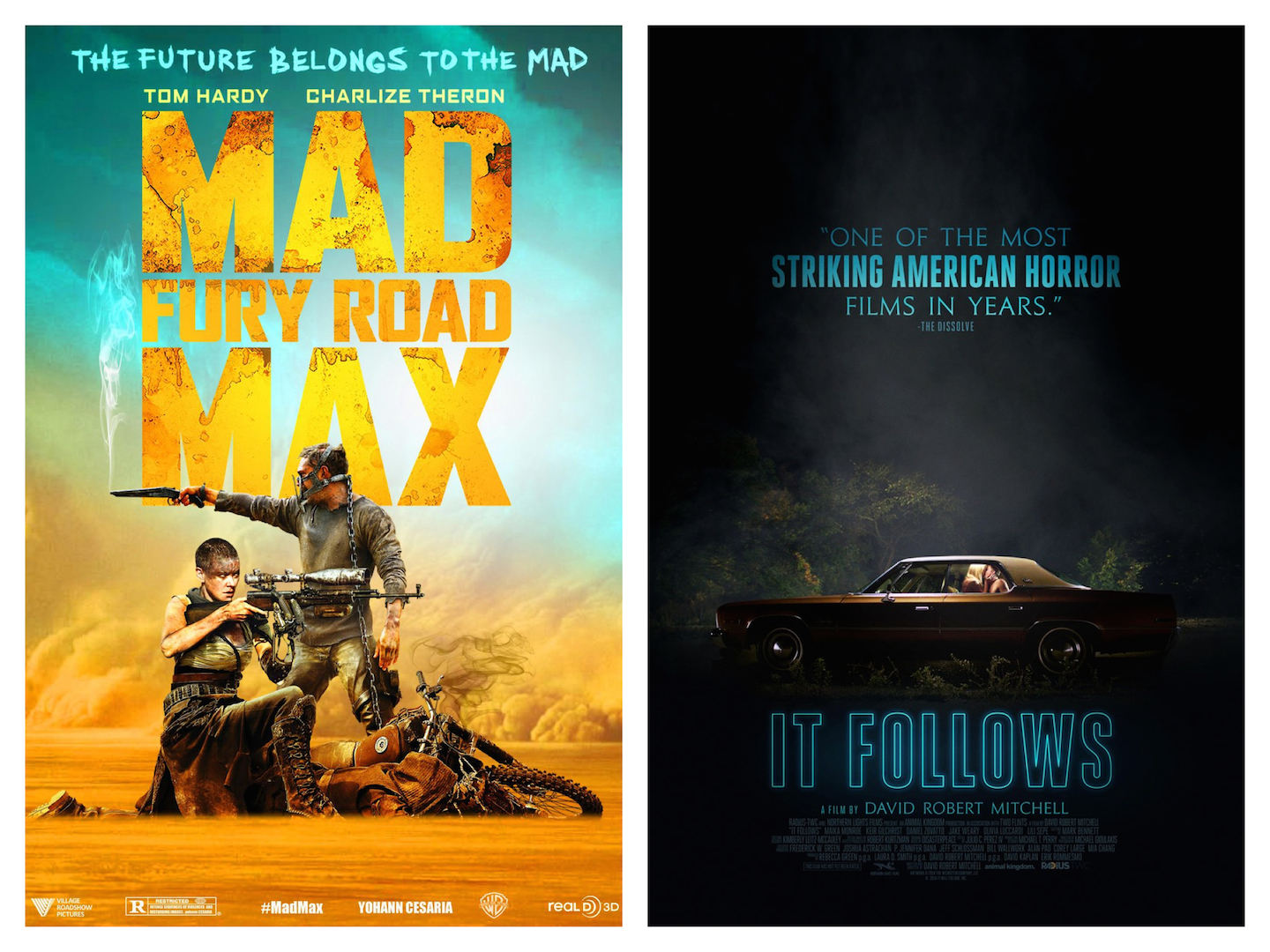
This goes against the spirit of the post, but I have to note how utterly baffled I was by the movie nerd ecstasy that greeted Mad Max: Fury Road and It Follows. I thought MM:FR was an average CGI action movie and hated IF, which was a premise without any follow through. Fabrizio has some smart thoughts about the current state of movies below.

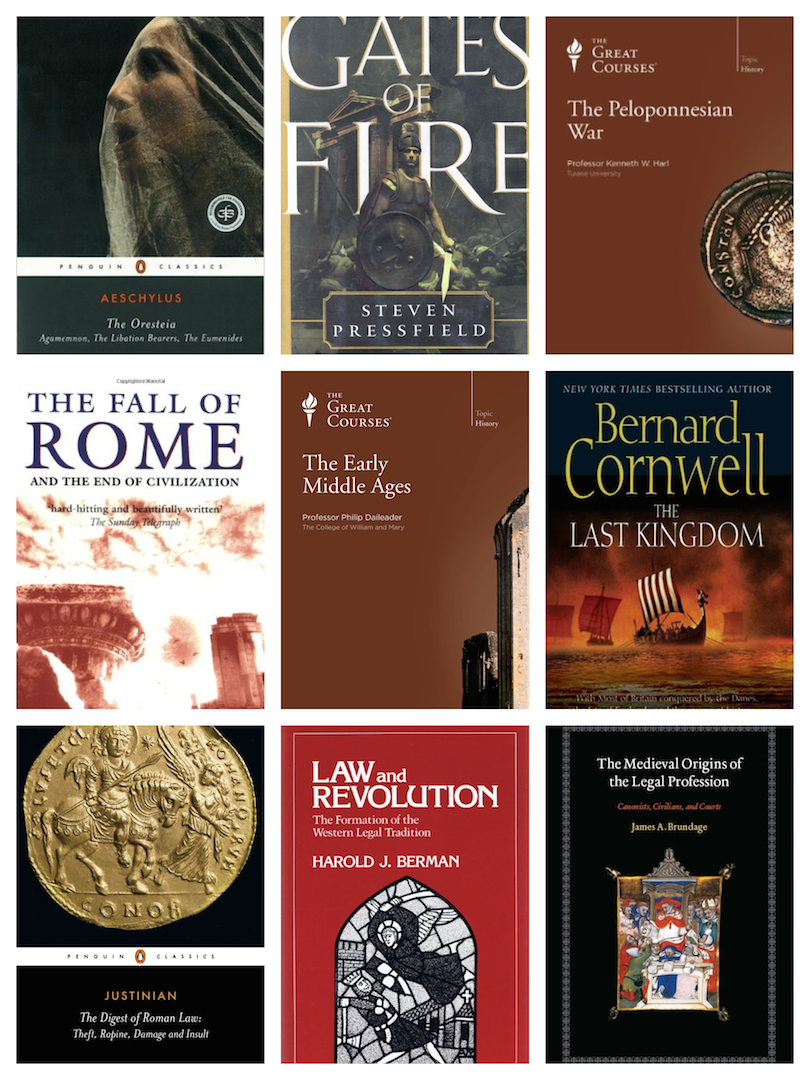
When it came to books, I found myself reading a lot of ancient and early medieval history this year. Hey, it looks like Western Civ is on the way out so why not get a preview of what it’ll be like? (Spoiler alert: It’ll suck.) I loved Robert Fagles’s translation of The Oresteia, even though I felt like I missed a ton of cultural references that would’ve been known to the ancient Greeks. Steven Pressfield’s Gates of Fire and Bernard Cornwell’s The Last Kingdom are both major works of historical fiction. Kenneth Harl’s lectures on the Peloponnesian War had a little too much detail for me but I’m glad I spent time with it, and I enjoyed my second listen to Philip Daileader’s lectures on the Early Middle Ages as much as I did my first listen a few years ago. Bryan Ward-Perkins’s The Fall of Rome and the End of Civilization — a revision of the revisionists — will make you appreciate all that boring Roman pottery the next time you’re at a museum. On the legal history front, Penguin’s edition of Justinian’s Digest is fascinating as was Harold Berman’s Law and Revolution and James Brundage’s The Medieval Origins of the Legal Profession.
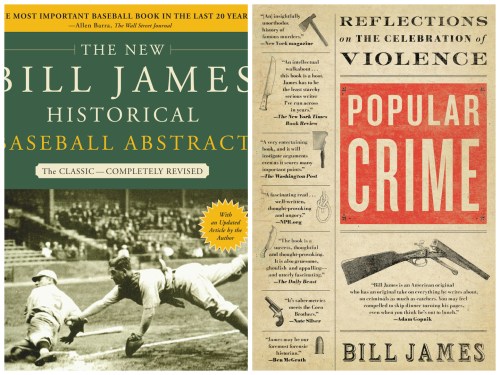
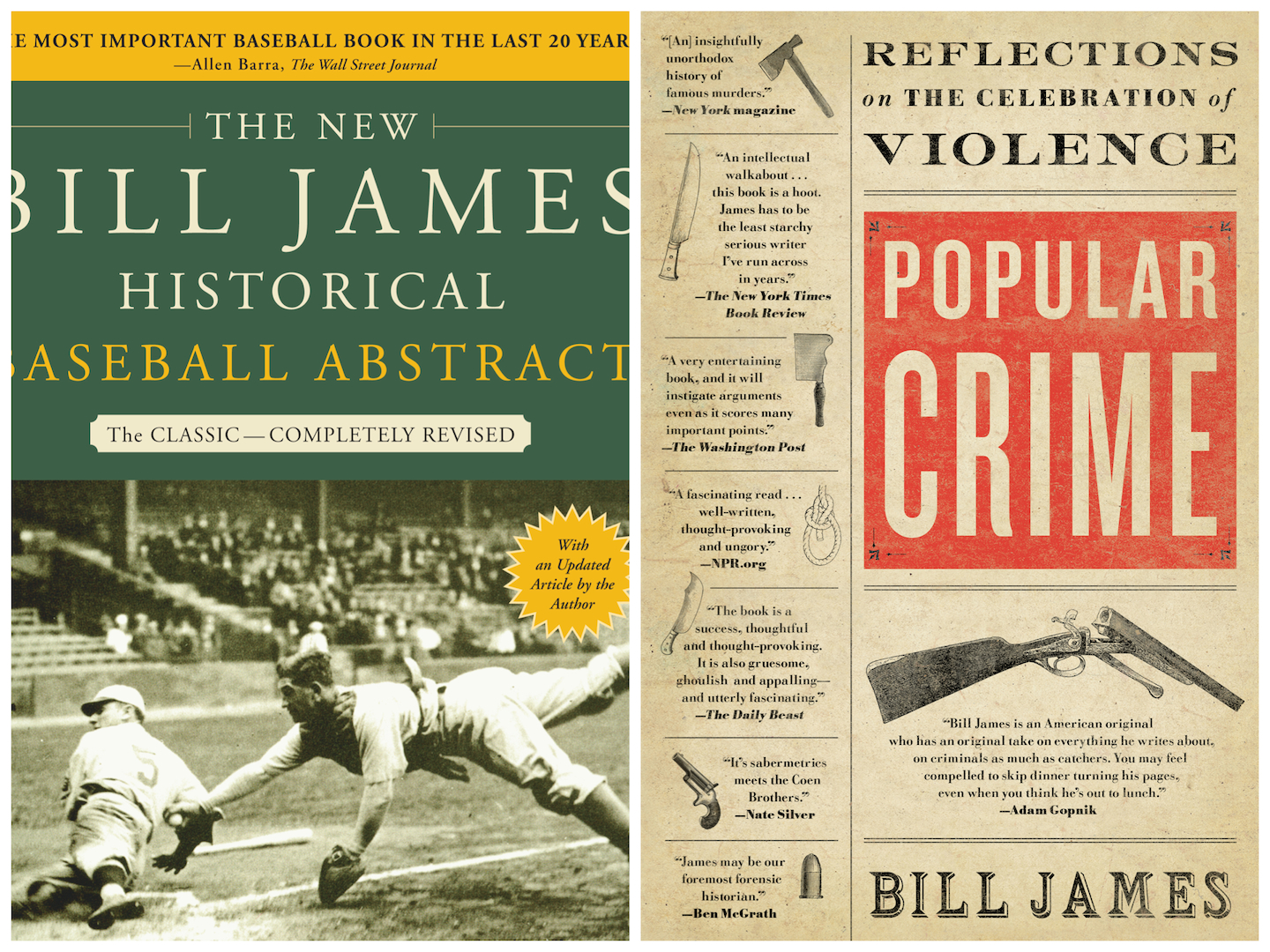
I spent a lot of time digging into Bill James‘s two major works. I can’t add anything to the heaps of praise the Historical Baseball Abstract has received other than to say, if you’ve been putting it off as I had, do yourself a favor and check it out. And although many reviews were dismissive, I thought Popular Crime was a page-turner from beginning to end. The book is a fascinating combo of history, psychology, sociology, literary criticism, pop culture, and legal critique all held together by James’s cranky amateur perspective.
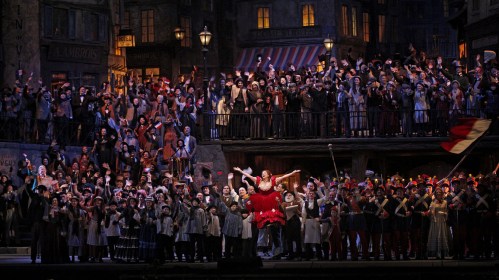
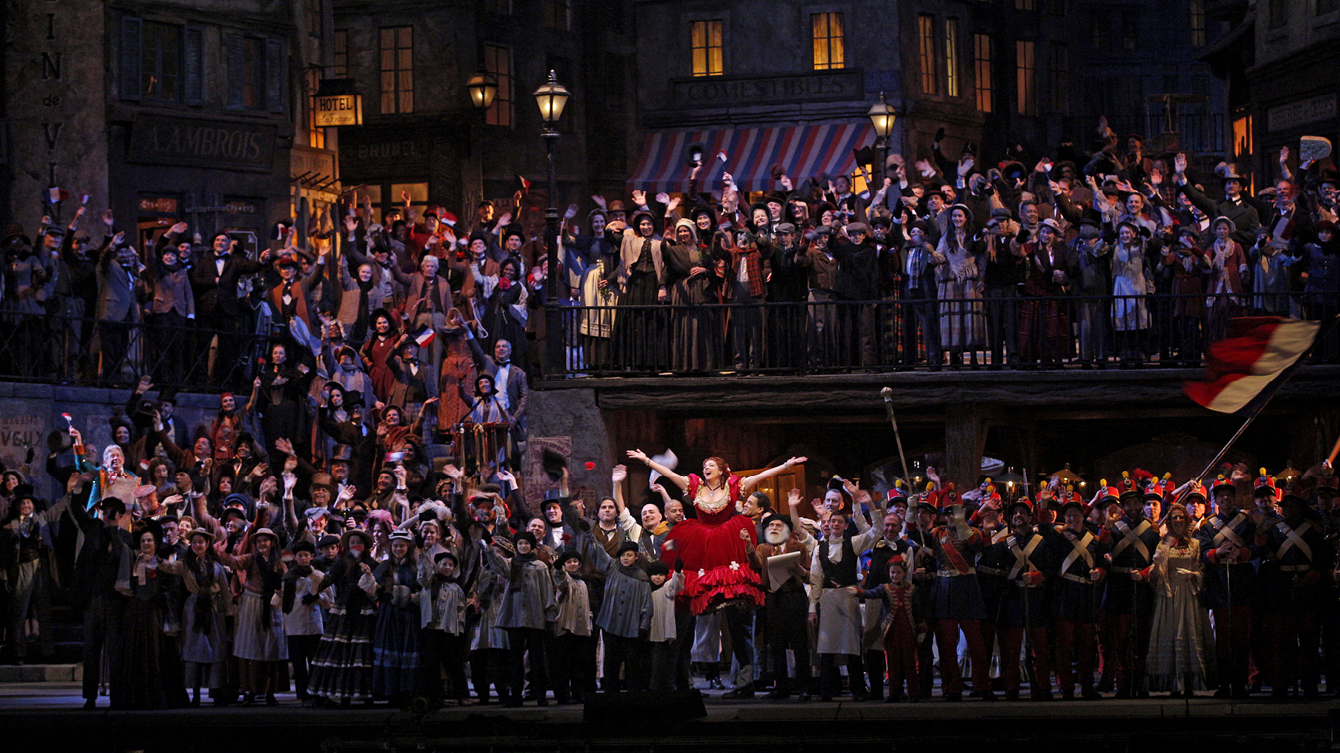
I went to La Bohème at the Met, my first classic opera, a few nights ago and had a great time. It’s the most popular work in the repertoire and this Met production, originally staged by Franco Zeffirelli in the ’80s, is one of the company’s most popular shows, so I picked a good show to lose my opera virginity. It’s like introducing someone to rock n’ roll by taking them to Stones concert circa the late 70s where they only play their greatest hits. This production is playing until May and the L.A. Opera will be staging their own production next year. If you have the opportunity and any interest, I encourage you to give it a shot.
Fabrizio del Wrongo writes:
I feel like I didn’t have many great (or even very good) culture experiences in 2015, but I’ve tried to get at my reactions to a few of the better ones in the below list.
By the way, am I crazy in thinking it was a down year for movies? I have yet to check out most of the talked-about movies, but the ones I’ve seen (“Mad Max: Fury Road,” “It Follows”) struck me as pretty overpraised. The rest seem merely uninteresting. Or maybe I’ve simply arrived at the point in my life where I don’t give a shit?
For me, the year in movie commentary/reaction was marked by two things: 1) The triumph of marketing over actual content, and 2) A calcifying of ideology-driven position taking into a uniformity of opinion, one that holds the message of a work to be the main component of its worth. Both have caused the public reaction to movies to resemble a mass delusion, as people, their juvenile attachments to franchises amped up by advertising, and their prejudices cajoled into fervor by ideological signifiers, loudly declare routine fare to be the apex of meaning and art. It’s sometimes enough to make you want to walk away from movies entirely.
With that in mind, here are some things I’ve enjoyed in the past year:
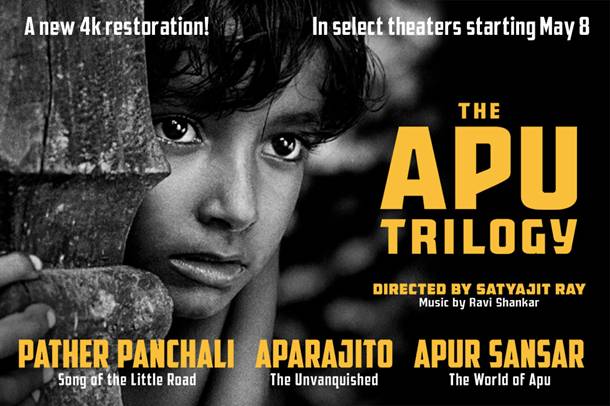
THE APU TRILOGY
Some of us wrote about the first entry in Satyajit Ray’s great trilogy, “Pather Panchali,” back here. All three films are now out on Blu-ray from Criterion, and they look astonishing — fuller and more robust than they’ve ever appeared on home video. The packaging and extras that Criterion developed for them may leave something to be desired (why did they hold back?), but when the films themselves are this good, to complain would be churlish.
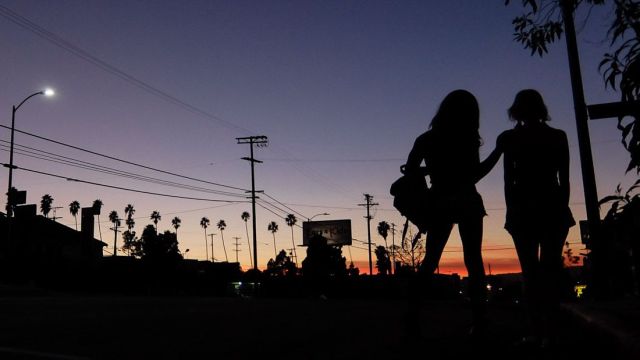
TANGERINE
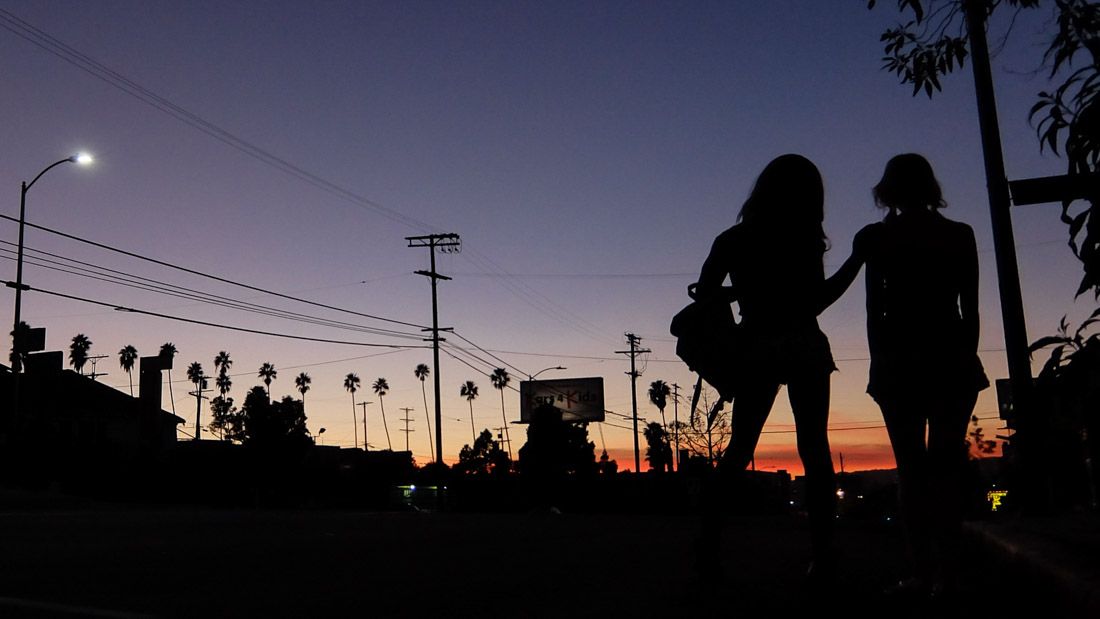
“Tangerine,” the movie shot using iPhone cameras, is now available on Netflix. It’s meager, but it’s meager in a way that’s almost rich. Director/co-writer Sean Baker has an ability to pluck aesthetic effects from the thin air of handheld shots and found locations, and his thematic impulses, which derive from tabloids and exploitation movies, are unusually grounded in a sensibility that might be described as humane. Even as he’s reveling in the trash exoticism of his pimps, loners, and hookers, he’s showing you what makes them tick, what keeps them going. The farcical story, involving a black transsexual’s efforts to confront her pimp, who has cheated on her with a “white fish” (white girl), isn’t much, but its geographical specificity allows Baker to put together an album of down-and-out L.A. sites, and the screenplay is subtle enough to provide its rather basic characterizations with room to breathe. Baker would probably make a good documentarian: “Tangerine” seems about as keyed into L.A. street culture as his earlier “Starlet” was to low-budget porno culture. Perhaps documentary isn’t as amenable to the narrative-emotional effects to which he’s drawn. Though he plays with farce, at heart he’s an ironic melodramatist who enjoys underplaying his big moments. You get the sense he’s watched some Ozu. For some reason, much of the movie looks as though it was shot through a veneer of piss. Is this intentional? A consequence of the iPhone cameras? Even so, had I not been made aware of it beforehand, I would never have guessed the movie was shot with a pocket consumer device.

CLOUDS OF SILS MARIA
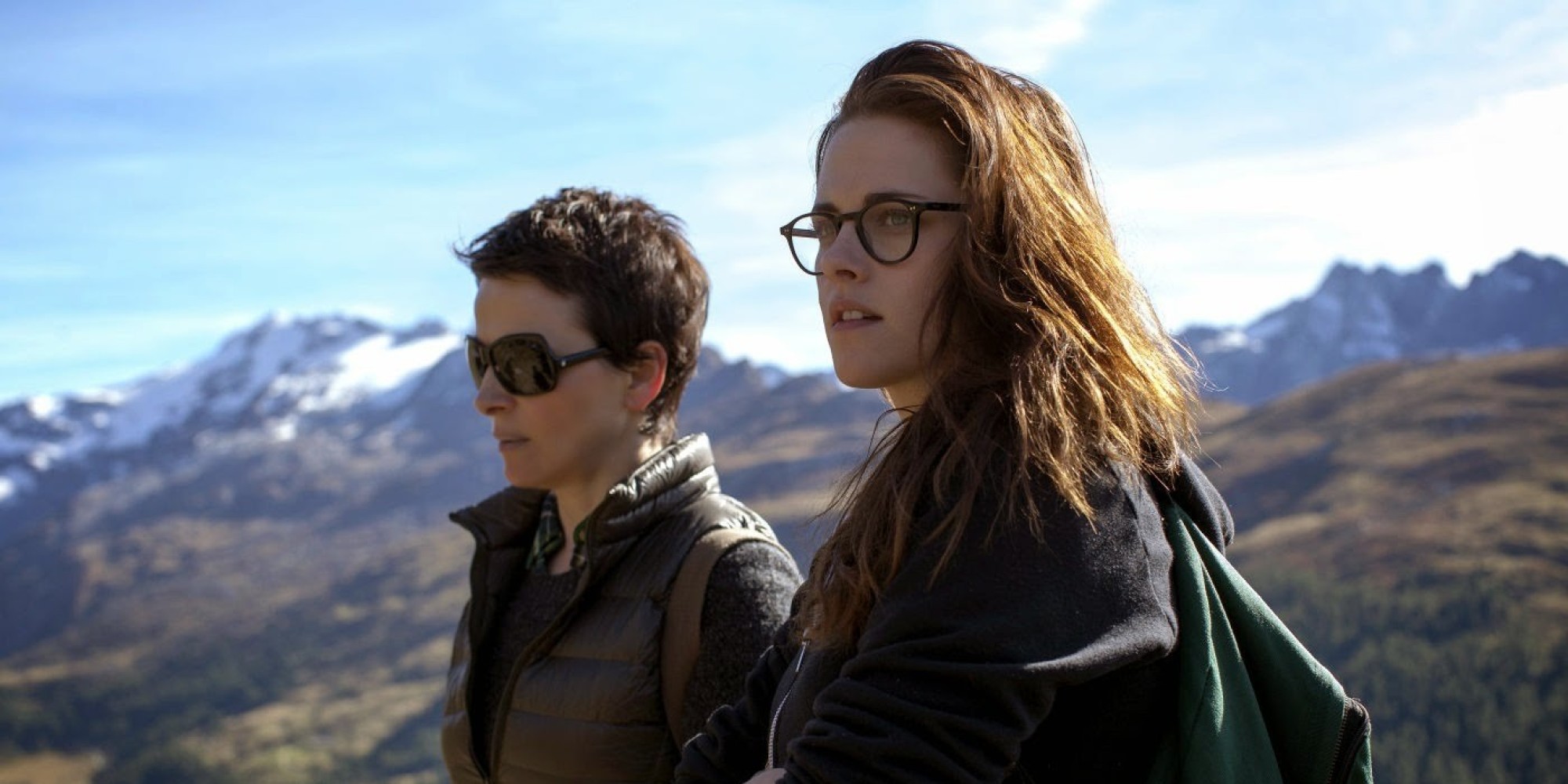
A highbrow drama that explores issues related to movies, theater, women, aging, etc. The ghost of Bergman looms over the proceedings. Writer-director Olivier Assayas has often looked to the future of movies. Here he seems to long for their past. I wish I could say I was moved by it rather than just appreciative of it.
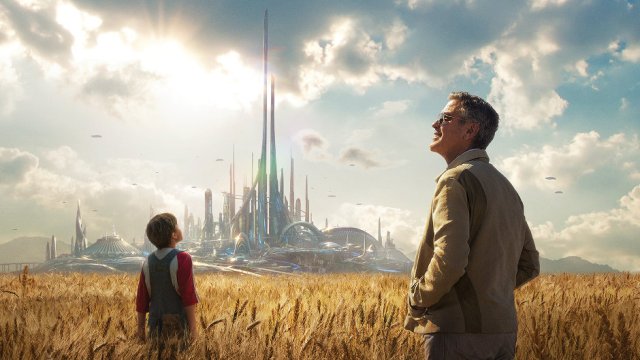
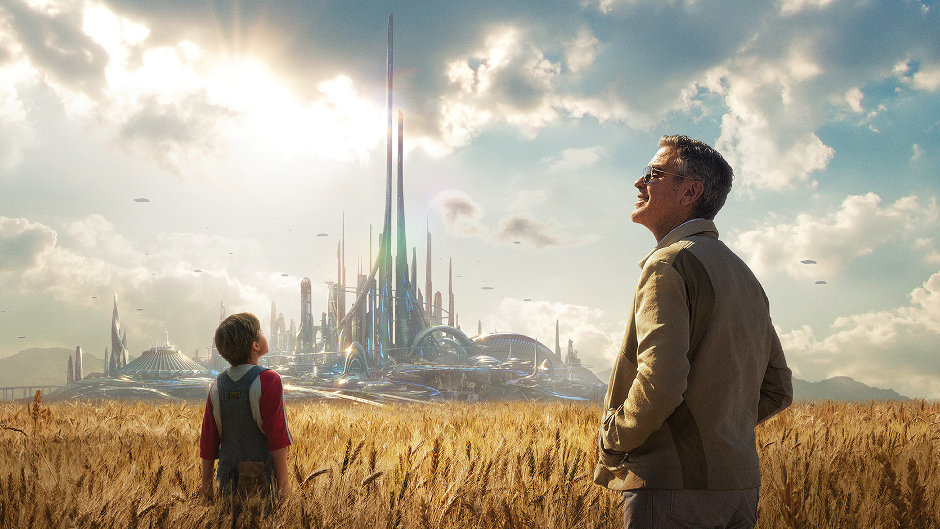
TOMORROWLAND
I’ve often found Brad Bird’s movies too neat, too dry, to be really exciting. They tend to be well-turned baubles that lack gusto, or dynamism, or something. They also tend to lack soul. They try for soul, but it ends up being a kind of canned soul. With “Tomorrowland” I think he’s become the sort of filmmaker for whom pop craftsmanship can be an end in itself. The movie doesn’t need soul, because as a piece of engineering it has daring, ingenuity, excitement. The first half of the picture is so consistently gee-whiz surprising on so many levels — visually, narratively, technically, kinesthetically — that it calls to mind mid-period Spielberg and Zemeckis. Like “Back to the Future” or “Indiana Jones and the Temple of Doom,” it’s an elaborate gizmo that pulls you into its workings, because you can feel how the components fit together, how they work. And like those earlier movies it doesn’t (at least initially) wear you out. Unfortunately, Bird has a message, and the later parts of the picture are devoted to transmogrifying that gee-whiz quality into something meaningful and edifying (there’s a lot of preaching). Bird’s message — a “fuck you” to cynicism, pessimism, and disenchantment — is interesting and maybe even commendable, but he hasn’t figured out how to arrive at it organically, and the adventure yarn can’t sustain the plot’s complications, which grow mind-numbingly hard to keep track of. It’s as though Bird has tossed a monkey wrench into his gizmo. (The movie still feels like Zemeckis, but like the Zemeckis of “Back to the Future 2.”) The end does have one great moment: A little love scene between George Clooney’s aging whiz kid and a wide-eyed automaton who is beginning to malfunction. It made me think of Chris Marker, that poet of missed opportunities.

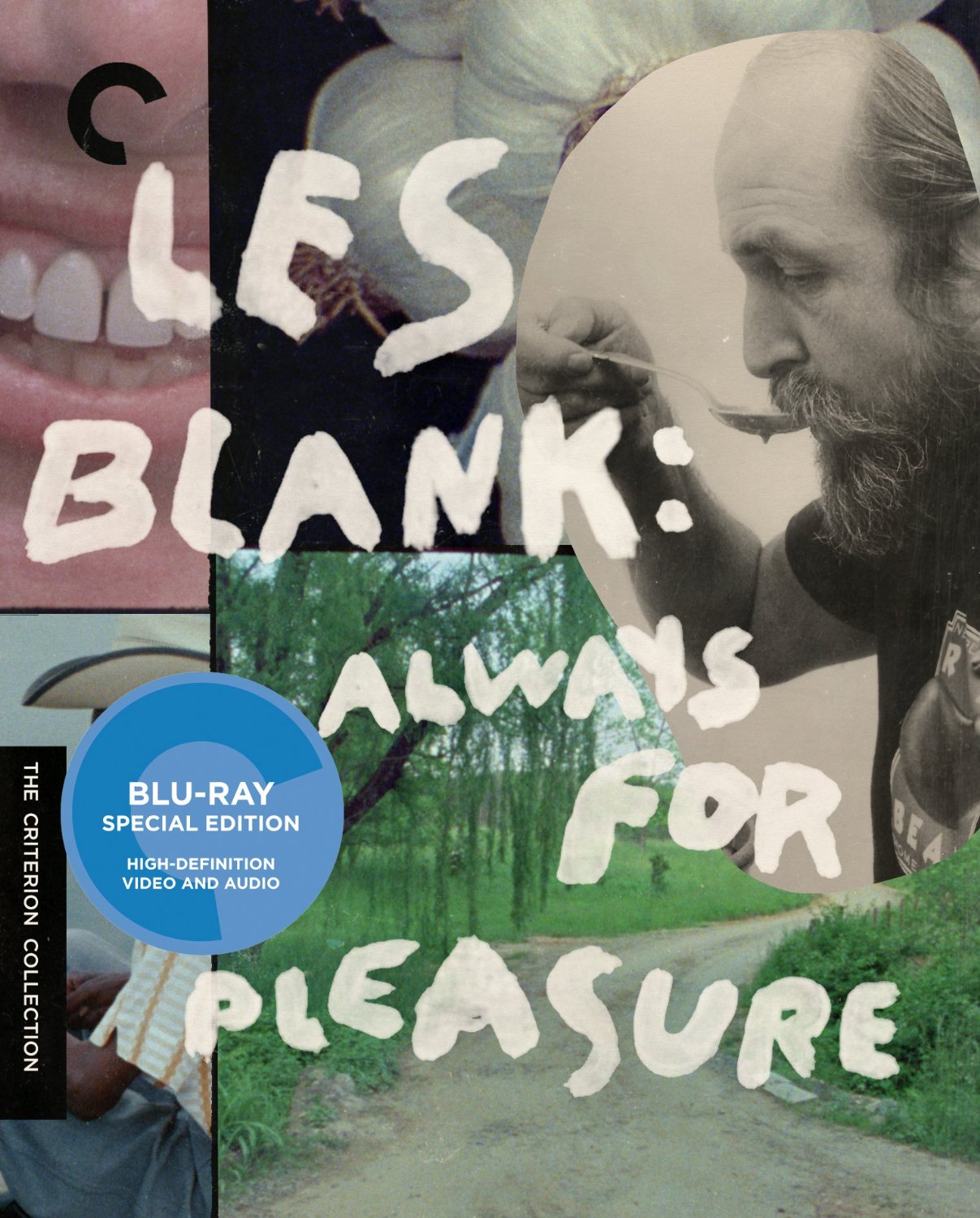
LES BLANK: ALWAYS FOR PLEASURE
I was familiar with some of Les Blank’s documentaries prior to buying this excellent set of Blu-rays from the Criterion Collection, but watching so many of them in quick succession really brought me to an appreciation of his methods and his generosity. Most of these films are shortish records of Blank’s immersion in American cultural enclaves — the kind that are fast disappearing as our world becomes ever more homogenized. There isn’t much evidence of “style” in any of them. Rather, they’re shaped by a sensibility, a way of seeing, and an ethnographer’s keenness to preserve and understand. (I think it’s fair to say that Blank belongs to the humanist tradition.) Blank’s enthusiasm for music and cuisine are especially piquant. The set will please music buffs and foodies alike.
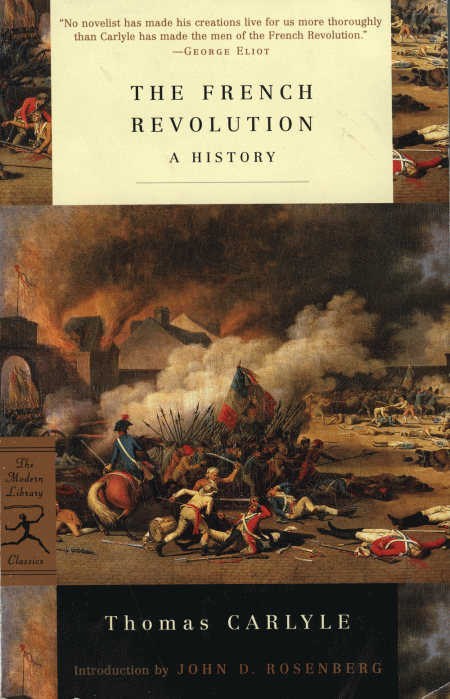
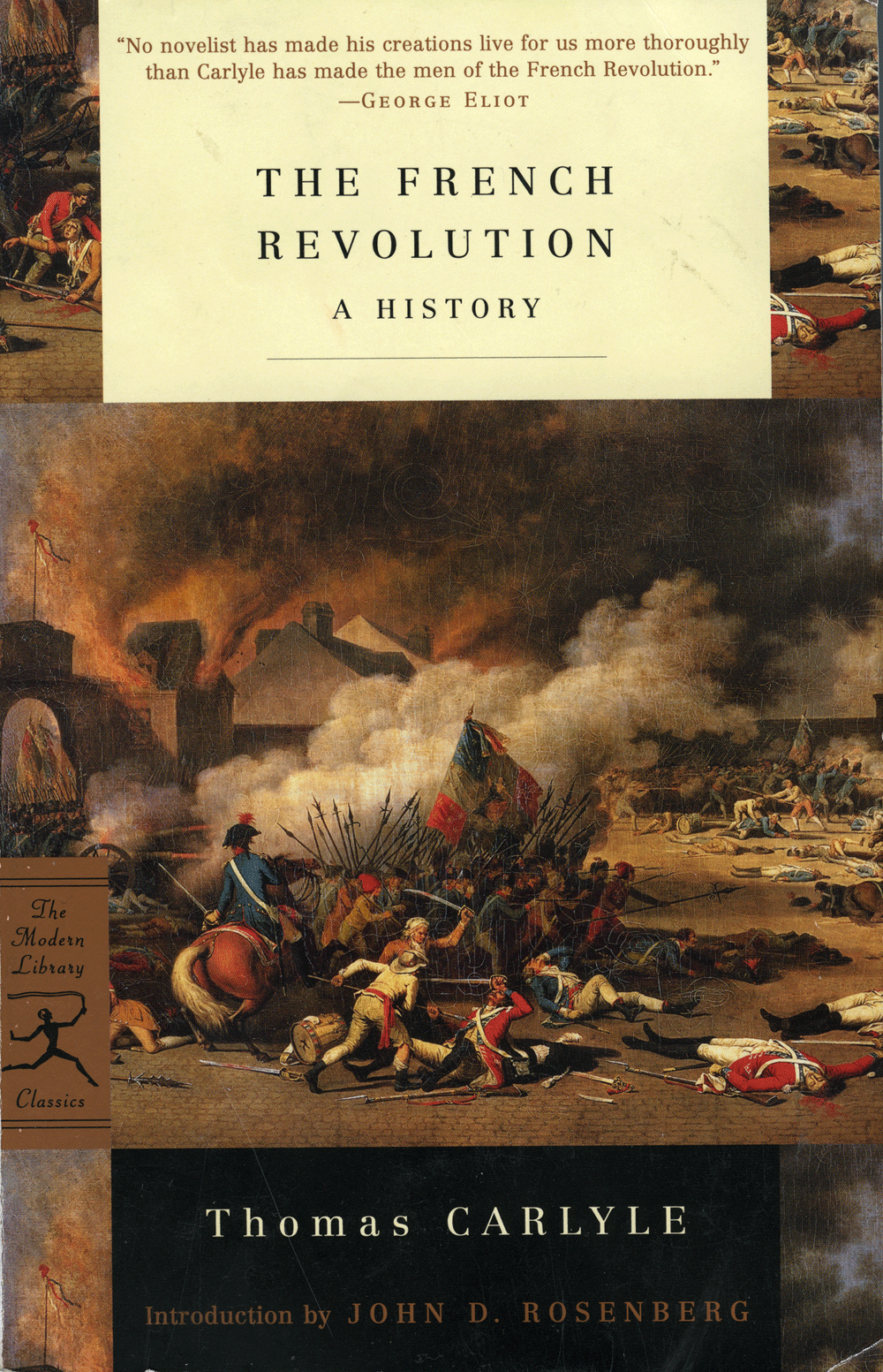
THE FRENCH REVOLUTION: A HISTORY
Can a book first published in the 1830s qualify for a best-of-2015 list? It can on Uncouth Reflections! Thomas Carlyle’s famous account of the French Revolution is less a work of history than an attempt to immerse the reader in the maelstrom of a culture’s demise. Written in the present tense, with no pretensions to “distance,” it’s propulsive, incantatory, horrifying, droll — like an epic poem pulled down from the ether. Carlyle is interested in people before politics; he takes the Revolution as an opportunity to examine the behavior of men and women who have been cast into the abyss created by the sudden removal of institutions, laws, and customs. How removed are we from savagery? Can a civilization be founded on abstract “formulae”? Is liberte compatible with egalite? The book leaves you asking these kinds of questions. And it makes you think: “Phew, sure hope I never have to live through something like that.”

BLU-RAY SPECIAL EDITIONS
As streaming has supplanted traditional media for purposes of home movie viewing, traditional media has made a comeback. It’s paradoxical yet a sort of true. These days, content owners make high-definition transfers of their films in order to stream them over the internet, and it’s rare that they’re willing to shoulder the expense of releasing their own DVDs and Blu-rays. So they license their transfers to boutique labels, and these outfits create “special edition” packages loaded with extra goodies. All the better to encourage sales among the ever-decreasing pool of potential buyers. There are too many good packages to list, and too many worthwhile companies, but one outfit whose product I’ve enjoyed this year is Shout! Factory. Their deluxe editions of genre classics like “Phantom of the Paradise,” “They Live,” and “Sleepaway Camp” are a movie nerd’s dream come true. Arrow’s Blu-rays are also worth checking out.

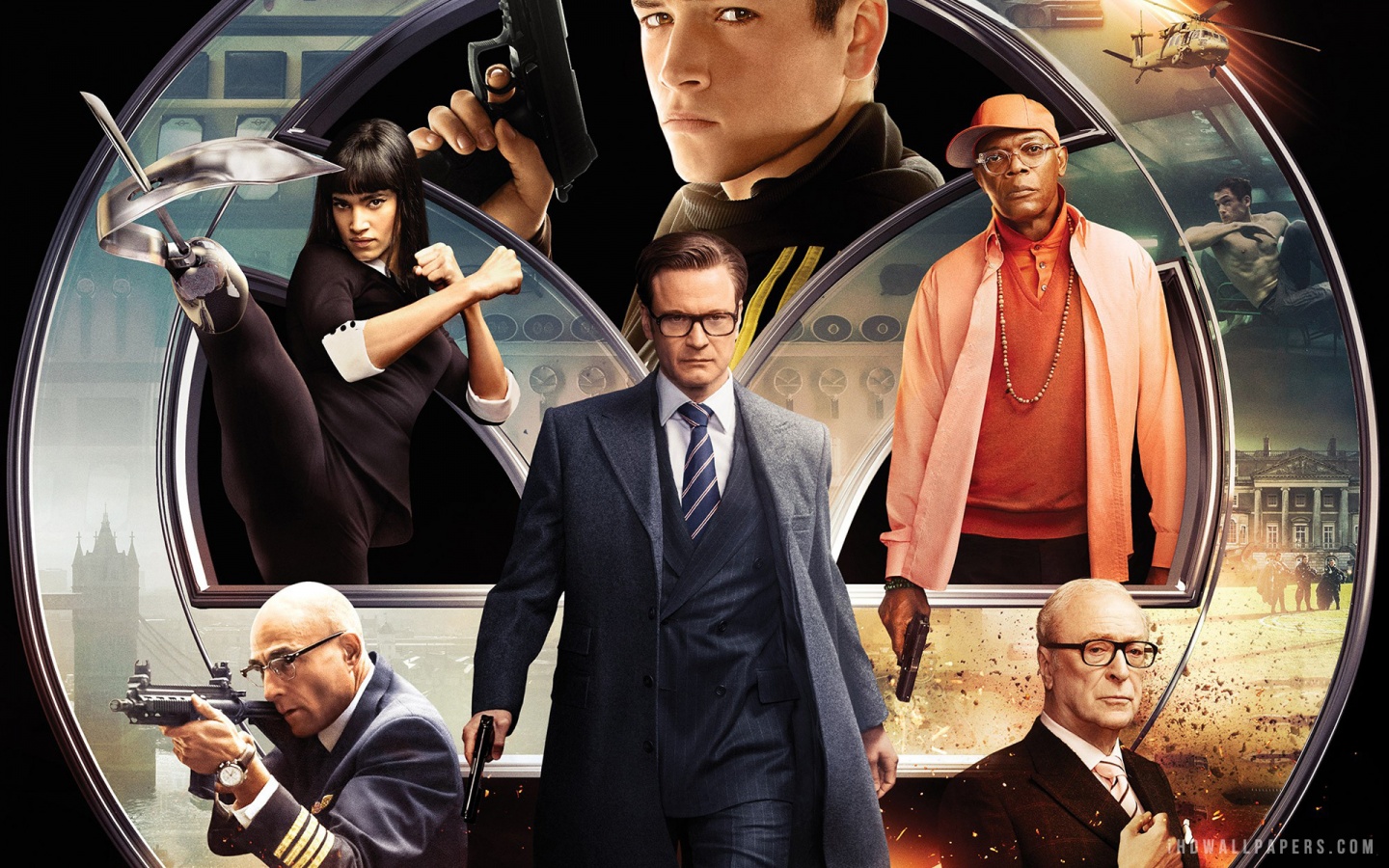
KINGSMAN: THE SECRET SERVICE
Matthew Vaughn’s movie adaptation of the comic book by Mark Millar and Dave Gibbons is a wild, satirical pile-up of genre tropes that never loses momentum (or gains plausibility), even as it creeps northward of two hours. (A whirligig pop confection, it’s similar to TOMORROWLAND.) Intriguingly, the movie is both biting in its social commentary and rather sunny: it maintains an optimism in the face of decay that’s anachronistic and, well, British. The relentless prodding of PC shibboleths (Vaughn has the temperament of a naughty schoolboy) seems to have irked many of the doily-sniffing bluenoses in the professional commentariat. Good.

DONALD TRUMP
I find Trump repulsive, yet I can’t deny that I’ve enjoyed his recent charge through the aisles of the political china shop. Why? One internet quip really summed it up for me. Something to the effect of: “Trump is what you’d get if the comments section turned into a person and ran for president.” I think that’s exactly right. Who would have guessed that this billionaire New Yorker, famous for his bad hair and gaudy slabs of real estate, would be the guy to finally – finally! – bring the topic of immigration reform out of the living room and onto the evening news? The resultant screeching on the part of the desiccated Nazgul who occupy our media class should tell you something: This is a topic they’ve endeavored mightily to keep under wraps. These folks are enraged by Trump. Like the reader-submitted comments to news articles – the ones the New York Times so assiduously vets for properness and decorum – he represents all of the stuff they don’t want you to think about. And yet they can’t make him go away. In fact, the more they screech, the larger he seems to grow, like a grotesque parade balloon being slowly inflated by their outrage. Trump is the first Republican candidate since Reagan to look the media in the eye and not flinch. And many people fucking love him for it. Not so much because they love Trump, but because they despise the media. A lot of the perpetually butthurt folks in my Facebook feed have called Trump a “threat to democracy.” Like it or not, he’s the embodiment of it. Would I vote for him? No. But then I wouldn’t vote for any of the other candidates either.
Paleo Retiree writes:
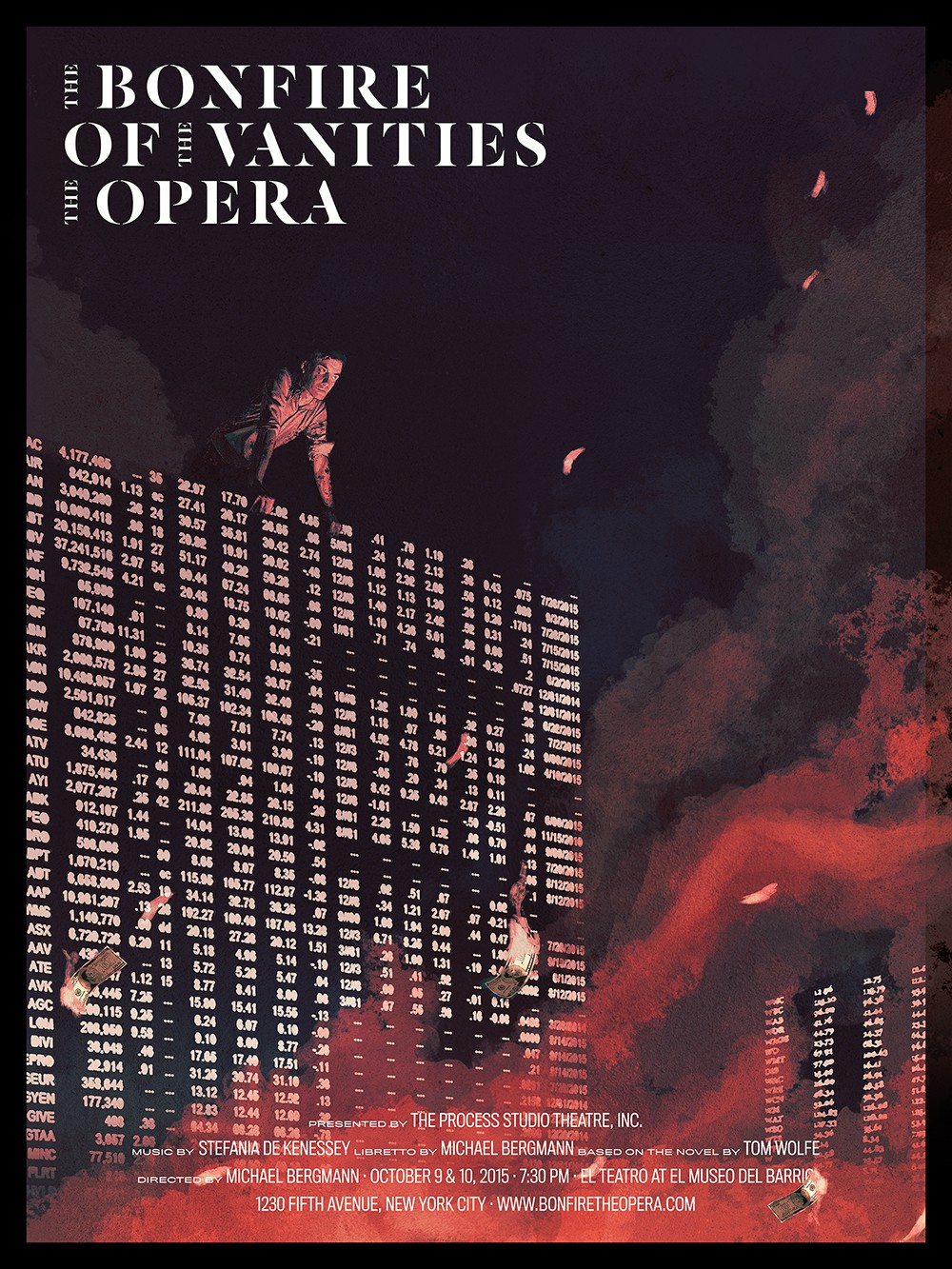
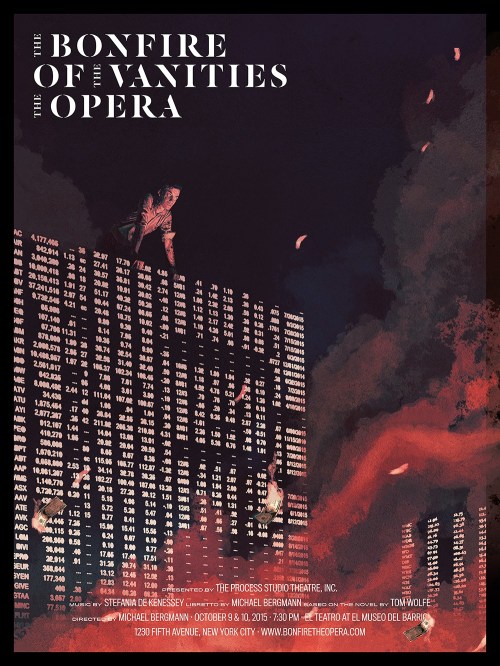 Bonfire of the Vanities — Stefania de Kenessey and Michael Bergmann’s opera version (and updating) of Tom Wolfe’s “Bonfire of the Vanities” received its first production in October, and it was a triumph — audacious, witty, exuberant and finally surprisingly moving. De Kenessey’s score is full-bodied, tuneful to the max and as resourceful as can be — a real cornucopia of sounds, attacks, moods and rhythms. It’s virtuosic, but the dazzle is always serving the situations and characters. Bergmann’s libretto zeroes in on the material’s drama and humor and endows it with more humanity than the novel had. The production (which Bergmann directed) was confident, bold and energized, and featured a perfectly amazing cast and band. It was a genuinely exciting night at the theater that made a great case for contemporary opera as a living/breathing, sophisticated yet accessible art form.
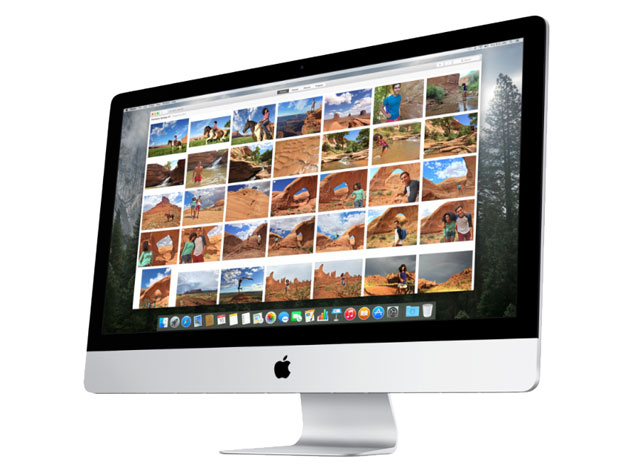 Apple Photos — Apple’s long-overdue replacement for both Aperture and iPhoto was received with very little enthusiasm by buffs and experts, but (especially since its first update) it’s been suiting me just fine. As a photo tweaker, Photos does everything I can imagine wanting to do to my snaps short of collage-making and Photoshop-style layered compositing. As a photo organizer, it offers a half a dozen quick and effective ways to slice and dice a collection. (My inner librarian is quite satisfied with the cataloguing powers Photos confers on me.) Photos’ showpiece stunt is that it makes your photo collection accessible — and keeps it up to date — on all your devices. It has performed flawlessly for me. Please be warned: I’m not enthusing about Photos as a photography expert but as an enthusiastic snapshooter, someone for whom Lightroom was serious overkill.
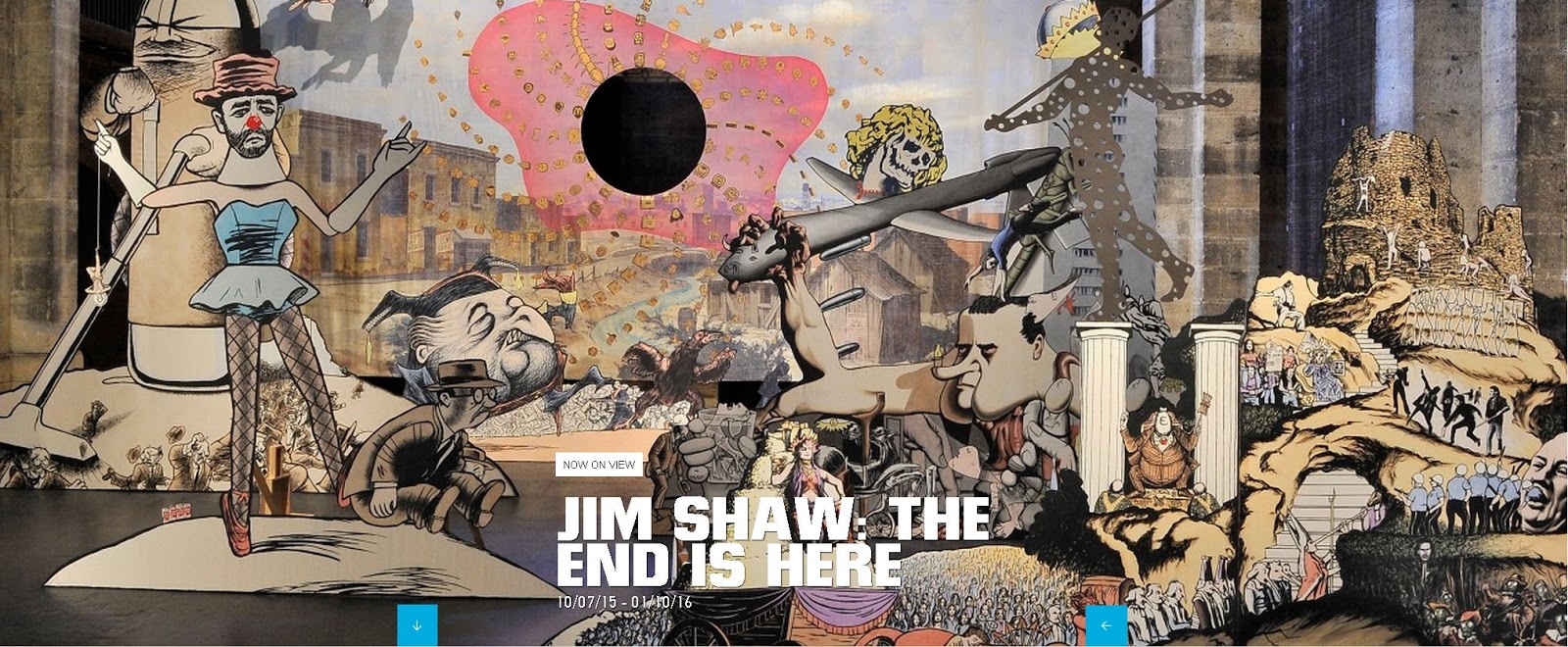
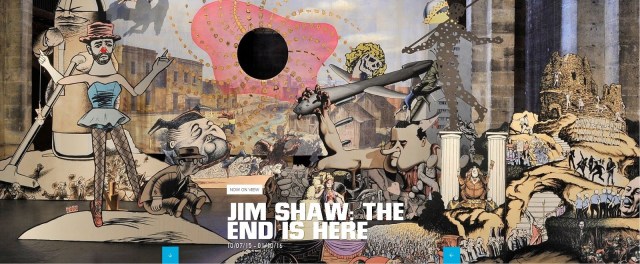 Jim Shaw at the New Museum — A CalArts grad who emerged as a someone in the gallery art world of the ’70s and ’80s, Jim Shaw is part collector, part oddball appreciator/curator, and part creator. He collects pop culture detritus — old LP covers, volumes from encyclopedias that supermarkets once gave away, religious circulars from now-forgotten SoCal religions — and asks us, once we’re done laughing and rolling our eyes at them, to let ourselves be really affected. At his big New Museum show this year (it covered three floors), his collecting blended seamlessly into work he himself has created, which sticks to the forms and styles of the kitsch of the ’40s through ’70s but replaces the content with more personal material. The effect was rather like some of the more powerful passages in David Lynch and Tim Burton’s movies. It was eerie, creepy and touching, as well as a kind of generational portrait of a certain kind of white Boomer guy’s interior life. Interesting to learn that Shaw earns some of his income from creating props and sets for Hollywood. His making-and-crafting skills are very impressive.
 Hard cider — Thanks to a class at NYC’s reliably wonderful Astor Center, I now know a lot more about hard cider than I did in 2014. The main impression I retain from the class: the world of hard cider is much bigger and more various than even the most optimistic foodie would imagine, comparable in scope and range to the worlds of craft beer and white wine. (Hard cider in fact is usefully thought of as apple wine.) One cider I sampled from Normandy had a musky, overripe barnyard funkiness, redolent of autumn horseback rambles through the countryside. Another cider, from Germany, was so bone-dry and tight-bubbled that I’d never have guessed it was fermented from apples at all — it was a plausible and refreshing alternative to champagne. You’re likely to be noticing more and more hard ciders on drinks menus in coming years — give ’em a try, sez I. Beyond the fun and delight they offer, they’re likable (in a world where cocktails now routinely go for $15) for their very reasonable prices as well as their relatively low ABVs. You can sip hard cider for hours without ever advancing to the unpleasantly-sloshed stage. Hard ciders make excellent cooking liquids too, especially delicious in pork dishes. My wife and I are now as likely to return home from a trip to a good wine and booze store with a bottles of hard cider as we are with bottles of pinot grigio and bourbon.











 Blowhard, Esq.
 Callowman
 Sherbrooke
 Eddie Pensier
 Enzo Nakamura
 Epaminondas
 Fabrizio del Wrongo
 Fenster
 Brundle Guy
 Glynn Marshes
 Paleo Retiree
 Atypical Neurotic
 Question Lady
 Sax von Stroheim
 Sir Barken Hyena
 The Mistaken
 Uncouth Reflections