
Blowhard, Esq. writes:
Blowhard, Esq. writes:
Blowhard, Esq. writes:
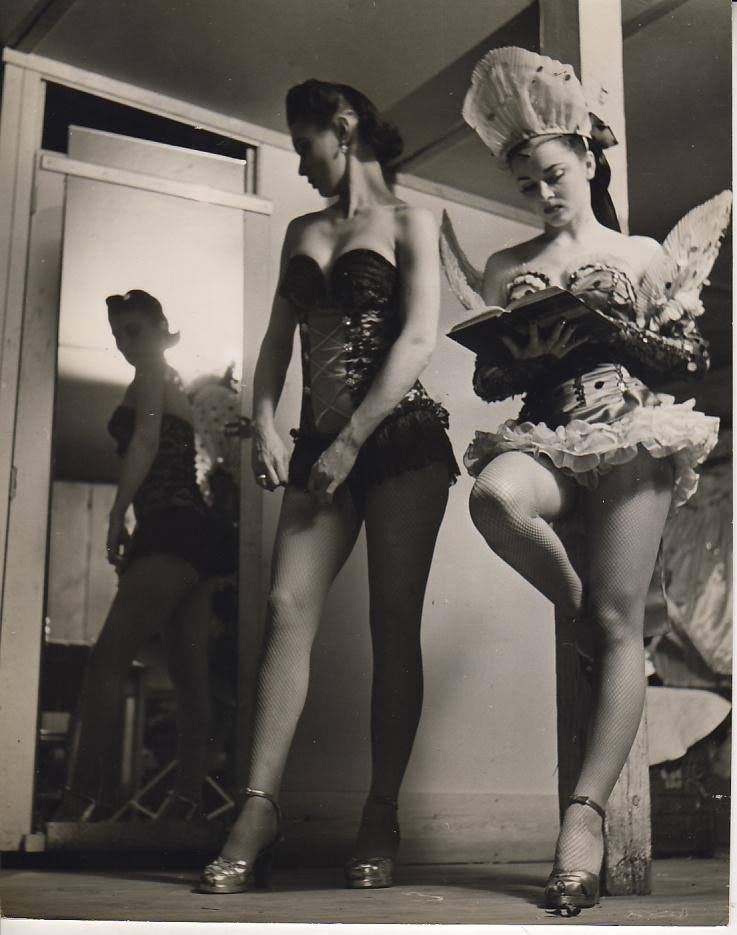
A couple of burlesque beauties, date and location unknown.
Click on the image to enlarge.
Blowhard, Esq. writes:

Anita Loos, born in 1889 in California and died in 1981 in New York, was present for the birth of cinema as a scenarist for D.W. Griffith, wrote the movies that made Douglas Fairbanks a star, penned an international bestseller that was greatly admired by Joyce and Faulkner, and worked for MGM for 20 years during Hollywood’s Golden Age all while hobnobbing with many of the great artists and intellectuals of her day. But in spite of her accomplishments her work has slipped down the memory hole.
Her international bestseller, Gentlemen Prefer Blondes, was inspired by watching her friend H.L. Mencken make a fool of himself by falling for various pretty young things. The book is in print and published by no less than Penguin Classics, but when it’s discussed at all it’s merely referenced as the source material for Howard Hawks’s 1953 Monroe-Russell movie (which is actually the second film treatment of the book; the first adaptation has been lost). While Loos was a fan of the Hawks movie, it only retains the novel’s heroines and tone, deviating significantly in terms of story.
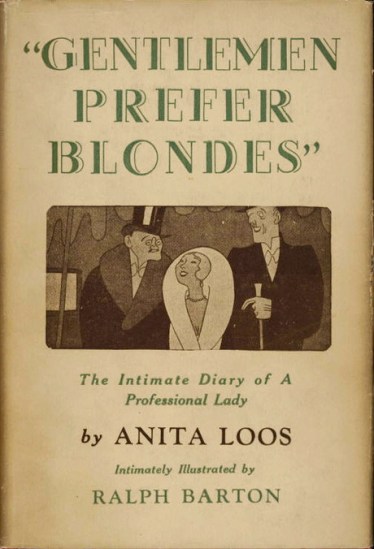 In the book, Lorelei Lee is a gold-digging flapper from Little Rock, Arkansas who traipses from Los Angeles to New York to London, Paris, and Vienna with her more streetwise pal Dorothy. If Don Quixote had his brain addled by too many chivalric romances, perhaps Lorelei has seen too many romantic Hollywood movies. Loos satirizes women, men, sex, clueless Americans, and stuffy Europeans as Lorelei bounces from one lovestruck suitor to another while in search of money and “education.” Although the fizzy comic plot moves along briskly during its 120 pages, the star is Lorelei’s naive yet knowing dumb blonde voice:
So then I told Major Falcon about the time in Arkansas when Papa sent me to Little Rock to study how to become a stenographer. I mean Papa and I had quite a little quarrel because Papa did not like a gentleman who used to pay calls on me in the park and Papa thought it would do me good to get away for awhile. So I was in business colledge in Little Rock for about a week when a gentleman called Mr. Jennings paid a call on the business colledge because he wanted to have a new stenographer. So he looked over all we colledge girls and he picked me out. So he told our teacher that he would help me finish my course in his office because he was only a lawyer and I really did not have to know so much. So Mr. Jennings helped me quite a lot and I stayed in his office about a year when I found out that he was not the kind of gentleman that a young girl is safe with. I mean one evening when I went to pay a call on him in his apartment, I found a girl there who really was famous all over Little Rock for not being nice. So when I found out that girls like that paid calls on Mr. Jennings I had quite a bad case of histerics and my mind was really a blank and when I came out of it, it seems I had a revolver in my hand and it seems that the revolver had shot Mr. Jennings.
The novel’s combo of sex comedy, travelogue, and American vernacular made it sensation and earned the admiration of Joyce, Faulkner, Churchill (he reportedly kept a copy on his nightstand), Aldous Huxley, and Edith Wharton, the latter of whom declared it “the Great American Novel.” Although the book feels like Cervantes as rewritten by an early Vanity Fair contributor, it also points the way forward to Terry Southern’s Candy, another picaresque about a sexually precocious blonde.
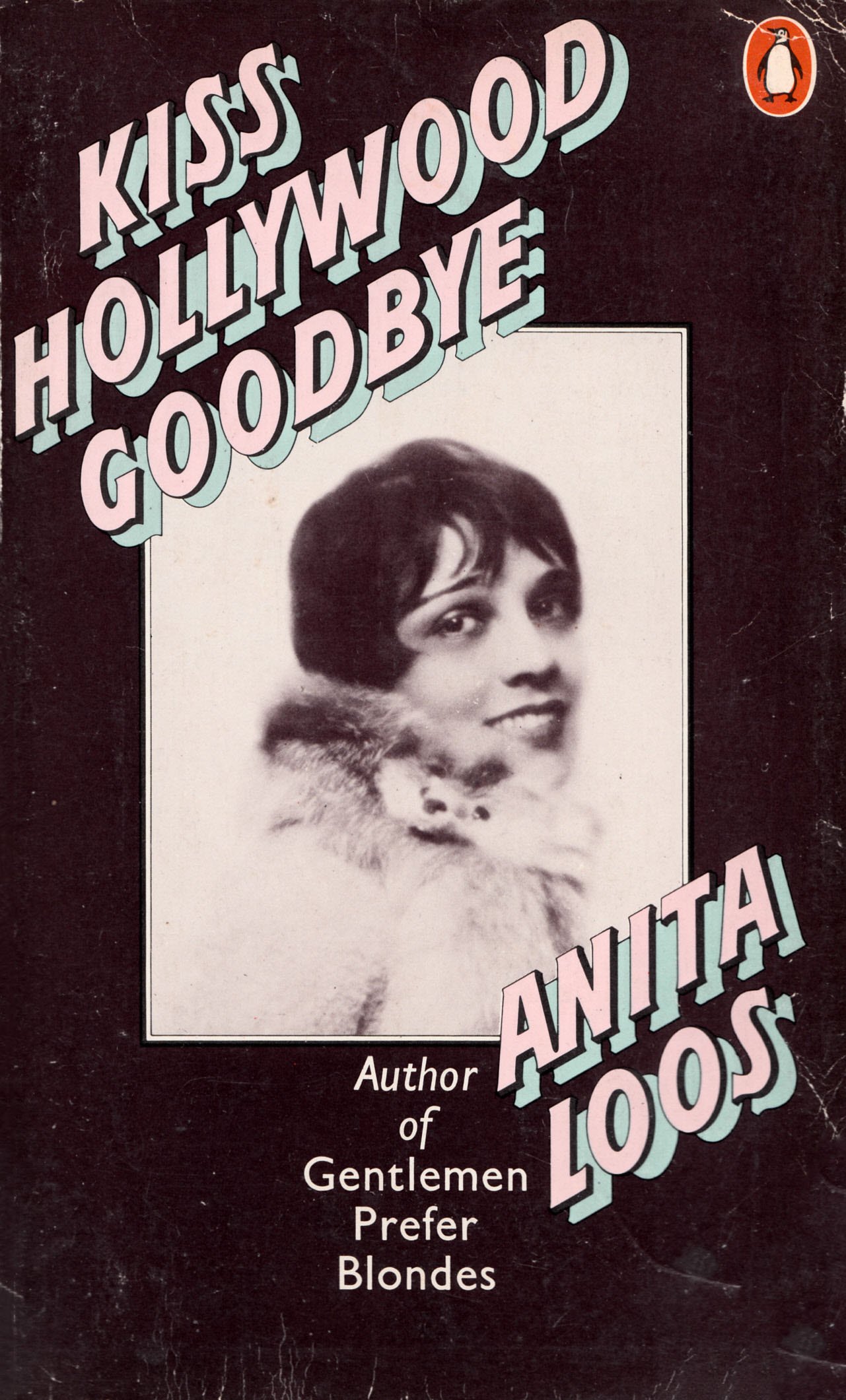
If Gentlemen Prefer Blondes is a fictional account of a flapper’s love life, then Kiss Hollywood Good-By, volume two of Loos’s memoirs, can be looked at as a nonfiction account. But whereas the fictional Lorelei is sexy and carnal, the real-life Loos comes off as flirty and intellectual. Published in 1974, Loos’s approach is nostalgic, witty, and reflective. In semi-stream of consciousness, timeline-jumping prose, she wryly recounts her marriage to louche husband and flunky film director John Emerson and chaste affairs of the mind with various men including Mencken, a British aristocrat, and legendary wit Wilson Mizner all in the midst of working as a writer for producer Irving Thalberg.
She name drops with impunity and when you consider the cast of characters I can hardly blame her. While working at MGM under Thalberg, the directory of the writers’ offices boasted Maxwell Anderson, Robert Benchley, Stephen Vincent Benét, F. Scott Fitzgerald (Fitzgerald tried to kill her and Zelda one night and ended up in a driveway literally eating dirt), Robert Flaherty, Moss Hart, Ben Hecht, Aldous Huxley, Christopher Isherwood, George S. Kaufman, Dorothy Parker, and S.J. Perelman. Then on the weekend she’d go picnicking with Huxley, Garbo, Chaplin, Isherwood, and Bertrand Russell. Astronomer Edwin Hubble was also a good friend. Not a bad circle of friends.
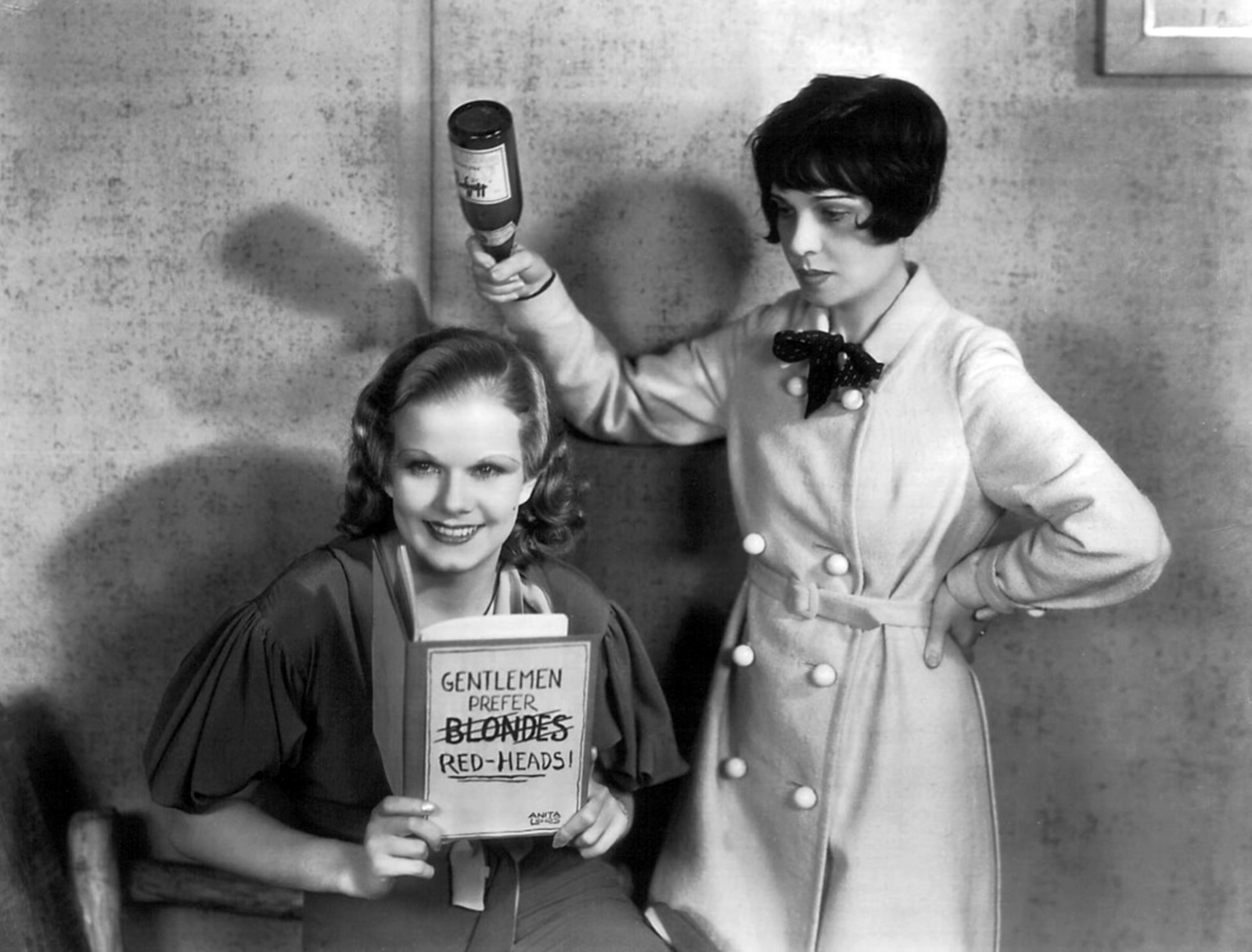
Loos labored in MGM’s story department for almost 20 years but, like another forgotten star that I wrote about recently, she was never particularly ambitious about her career. Work was primarily a way to support herself, her husband, and their LA-NY-Europe bicoastal-transatlantic elite lifestyle. Also, like many of her era, she looked upon Hollywood not as a purveyor of culture, but as a way to make an easy buck. For a writer, true art was contained in books (while for the directors and actors, the real art was made in the theater). She breezily dismissed her Hollywood career as a mere “gag writer.” One of the themes of the book is her surprise whenever anyone regards movies as anything other than tawdry entertainment. Here she recounts an incident in the early 20s during one of her many European sojourns:
At a [London] cocktail party one day I met a distinguished Scandinavian professor, a psychologist who remarked that Hollywood was making a great contribution to world culture. “Culture?” I spoke up. “Are you joking?”
“Not in the least, young lady. Hollywood is rejuvenating the spirits of a tired old civilization. Its jaunty film plots are sweeping aside the moldy problems of Ibsen, Tolstoi, and Dostoevski…getting us back to basic simplicity. Hollywood has given culture a fresh start. Who knows how far it will go, as the movies emerge from their infancy?”
I couldn’t entirely agree with the old professor as regarded Hollywood culture. I remember back to when, as a little girl, my hero of Romance had been the youthful King of Spain, Alfonso. But (although he had been demoted and became an ex-king) Alfonso had recently been the houseguest of Doug Fairbanks. And when Doug asked him if there was any particular film star His Majesty wanted to meet, he eagerly answered, “Fatty Arbuckle!” …I couldn’t see much culture where a king wanted to associate with Fatty Arbuckle.
In her later years, she recalled a screening of Garbo’s The Temptress in which a number of film students watched it “with reverence” while Loos herself thought it “belong[ed] in the trash can.” Of course, it could be that these anti-cinema anecdotes are nothing more than a form of humblebragging. And Loos doesn’t shy away from bragging bragging from time to time. With regards to Gentlemen Prefer Blondes Mencken said to her, “Do you realize, young woman, that you’re the first American writer to ever poke fun at sex?” She also proudly noted that during her MGM stint she was so valued that Thalberg loaned her out only once, in exchange for Cary Grant.
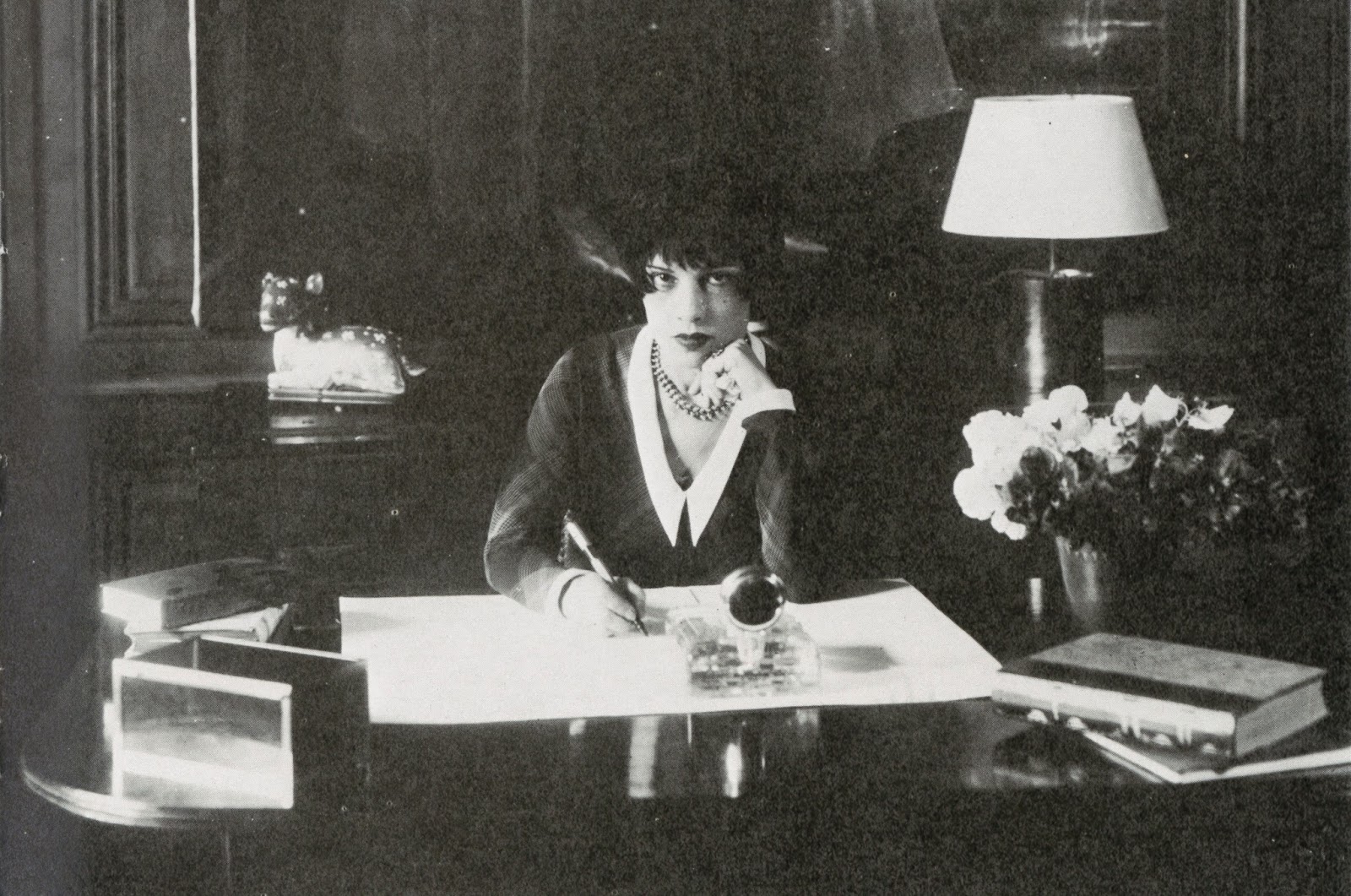
For those wishing to delve into her oeuvre, the novel Gentlemen Prefer Blondes is the place to start, which Loos followed up with But Gentlemen Marry Brunettes. After that I’d recommend her movies RED-HEADED WOMAN, SAN FRANCISCO (where Clark Gable plays a character modeled on Wilson Mizner), THE WOMEN, and INTOLERANCE. Finally there’s her memoirs, volume one of which is A Girl Like I then Kiss Hollywood Good-By.
Related
Blowhard, Esq. writes:
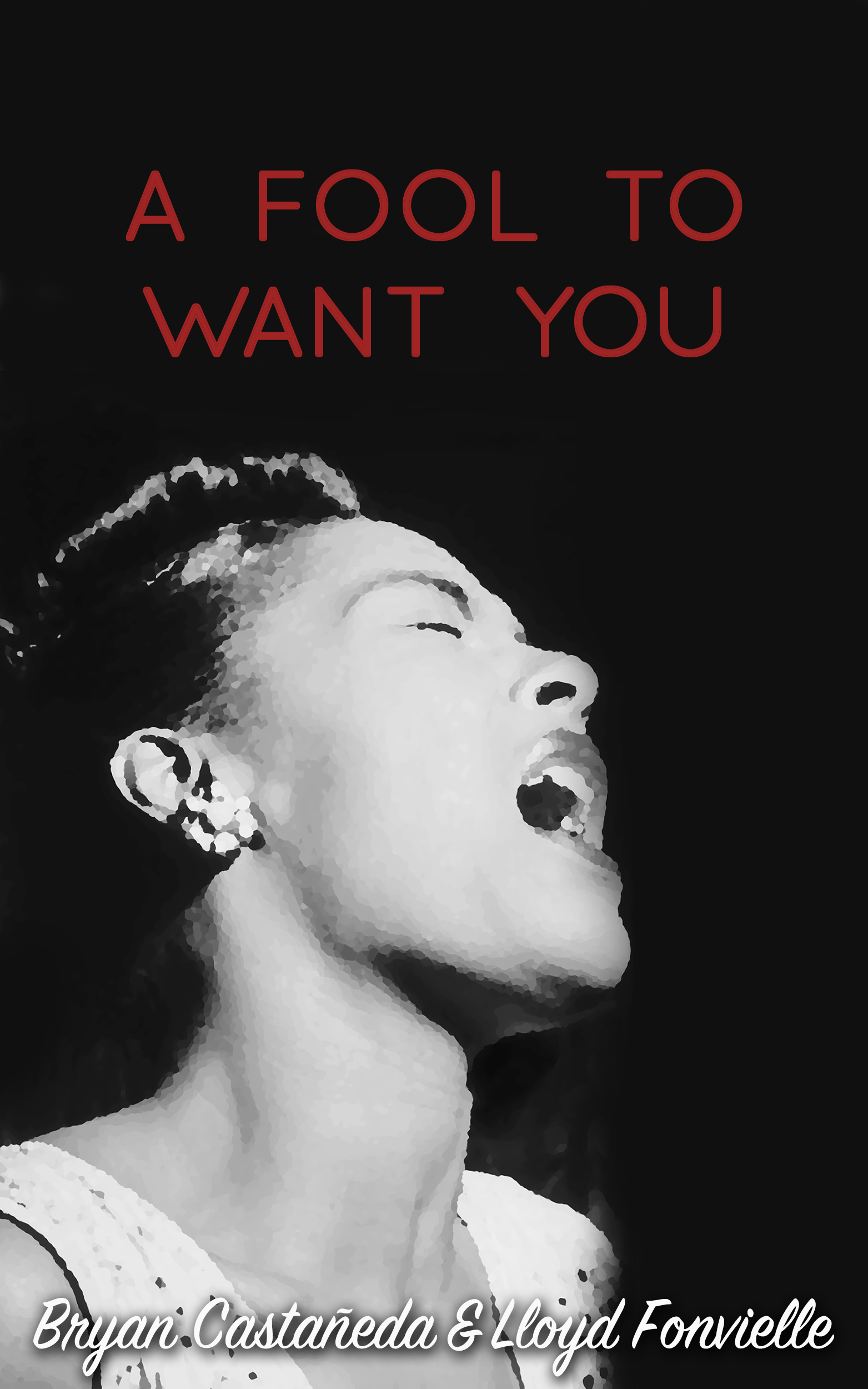 Our friend Lloyd’s final project before his death was an adaptation of a spec script he wrote during his Hollywood days that has just been published on Kindle:
Las Vegas in the 1950s — a glamorous black chanteuse . . . a mobster with the good looks of a Hollywood leading man . . . swept up in a love affair as hypnotic and lethal as a coiled diamondback rattler.
Cleo packs a casino nightclub with high rollers, Tony keeps an eye on the skim for a big-time boss back east. When they get in too deep with each other, they find they’re in way over their heads with the mob. Gun play is going to be the only way out — if there is a way out.
A tough, romantic, erotic, violent pulp thriller that summons back the glitz and the sleaze of a vanished kingdom in the desert.
A few songs are featured prominently in the story.
Related
Sir Barken Hyena writes:
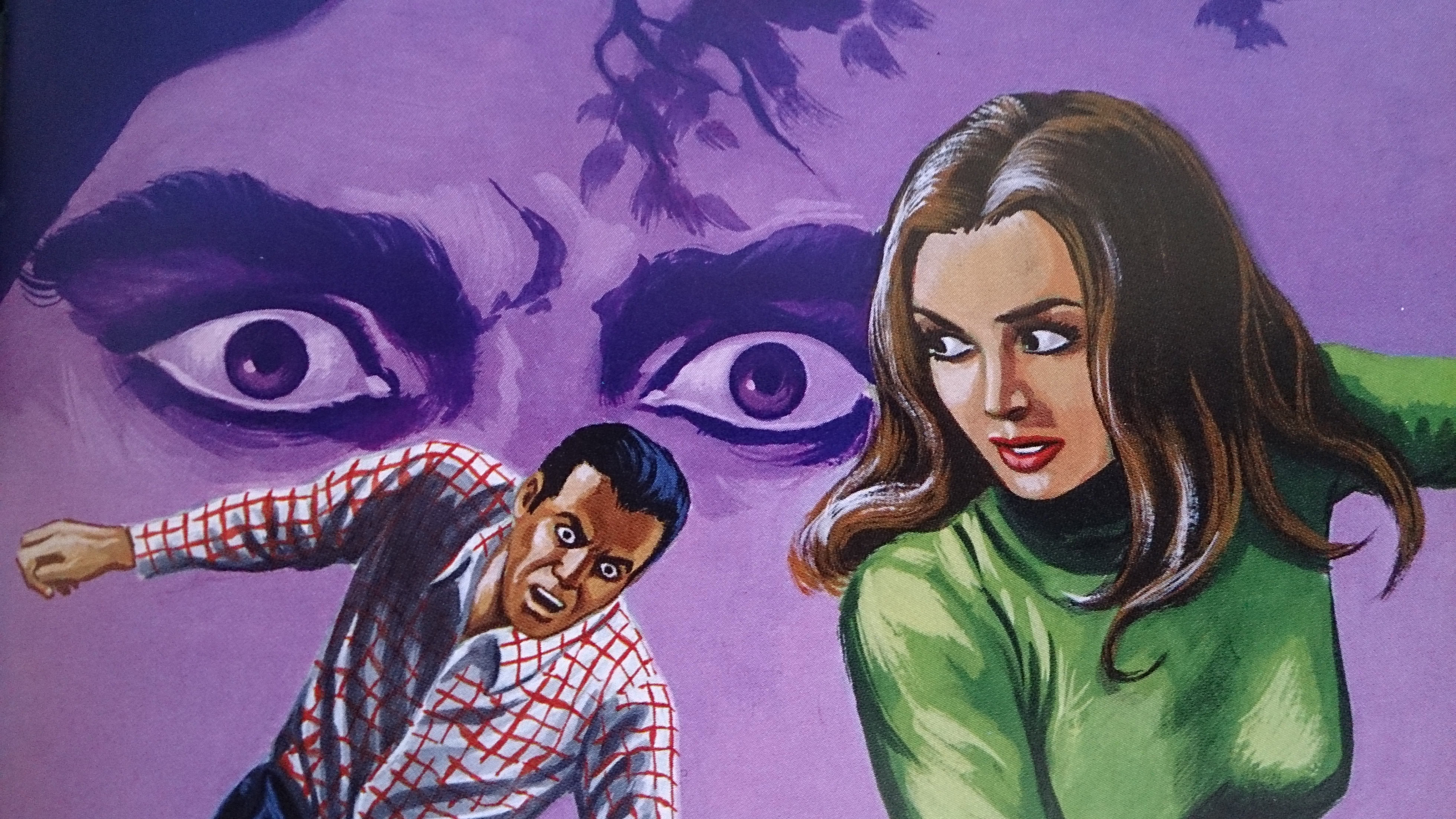
I struck gold browsing through a local book store. Here we have selected highlights from Mexican Pulp Art published by Feral House. Enjoy.


Blowhard, Esq. writes:

A mixture of Italian, Yugoslavian, French, German, Irish, and West Indian ancestry, Aria Giovanni is an exotic beauty custom-made for a Mediterranean harem. On the other hand, those eyebrows make her look like the world’s hottest East L.A. chola. Regardless, her lush curves and cat-like bedroom eyes have made her a favorite on softcore sites for almost fifteen years. Some reports say she’s retired from the modeling biz, but a check of her Twitter feed implies that she’s now focused on webcamming. Tons of galleries and vids out there via your local Google or Bing.
Do not proceed below unless you’re a fan of unclothed raven-haired vixens. Happy Friday.
Blowhard, Esq. writes:
One of the objections I hear constantly to traditional buildings is that they’re too expensive compared to the glass-and-steel variety. “Do you realize how much it costs for all that custom masonry and sculpture?” they say. So, let’s play a game of Guess The Cost. Below are three buildings: Gehry’s Louis Vuitton in Paris (opened 2014), David Schwarz’s Schermerhorn Symphony Center in Nashville (opened 2006, seats 1,844), and Cesar Pelli’s Segerstrom Concert Hall in Orange County, CA (opened 2008, seats 2,000). Match each to the following construction costs: $120 million, $143 million, and $240 million.


Congrats if you guessed the Gehry at $143m, the Schermerhorn at $120m, and the Pelli at $240m. Yup, the wavy glass one on the right cost double the neoclassical one in the middle. Of the Gehry LV, Wikipedia says the sails are “made of 3,584 laminated glass panels, each unique and specifically curved to fit the shapes drawn by the architect.” Custom glass don’t come cheap, folks.
Blowhard, Esq. writes:
While filming this key scene in a high-stakes production, Fox’s attempt at an all-black musical, Lena Horne kept flubbing her takes with a weak performance. Co-star Cab Calloway took her aside and said:
This is your one chance. You’re going to ruin it for everyone. Bitch, you know what we’ve gone through. Think about somebody in your family that’s died and sing the song.
Blowhard, Esq. writes:
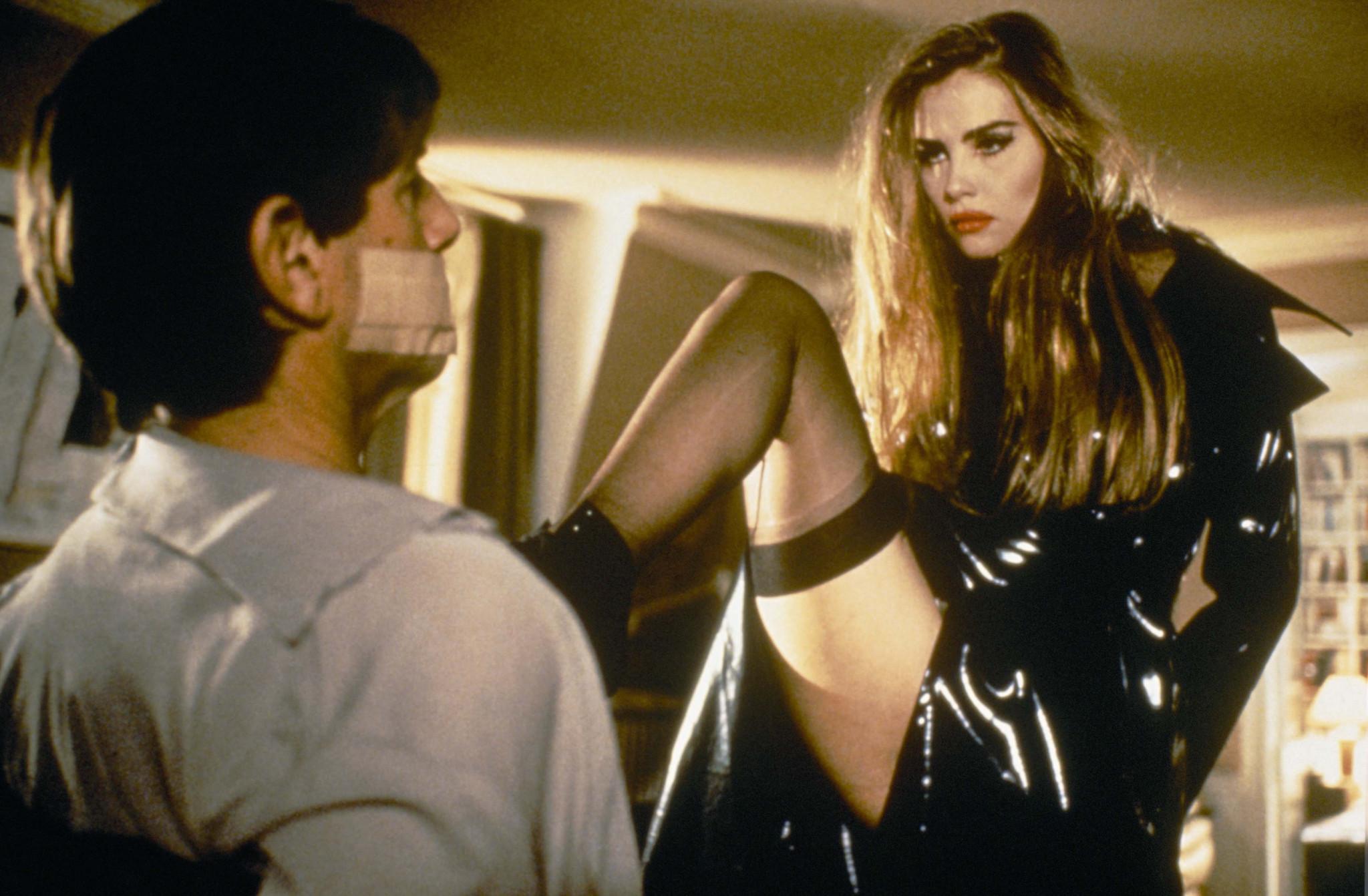
Peter Coyote and Emmanuelle Seigner in Roman Polanski’s BITTER MOON (1992), now streaming on Netflix. One of the most perverse movies I’ve ever seen.
Blowhard, Esq. writes:
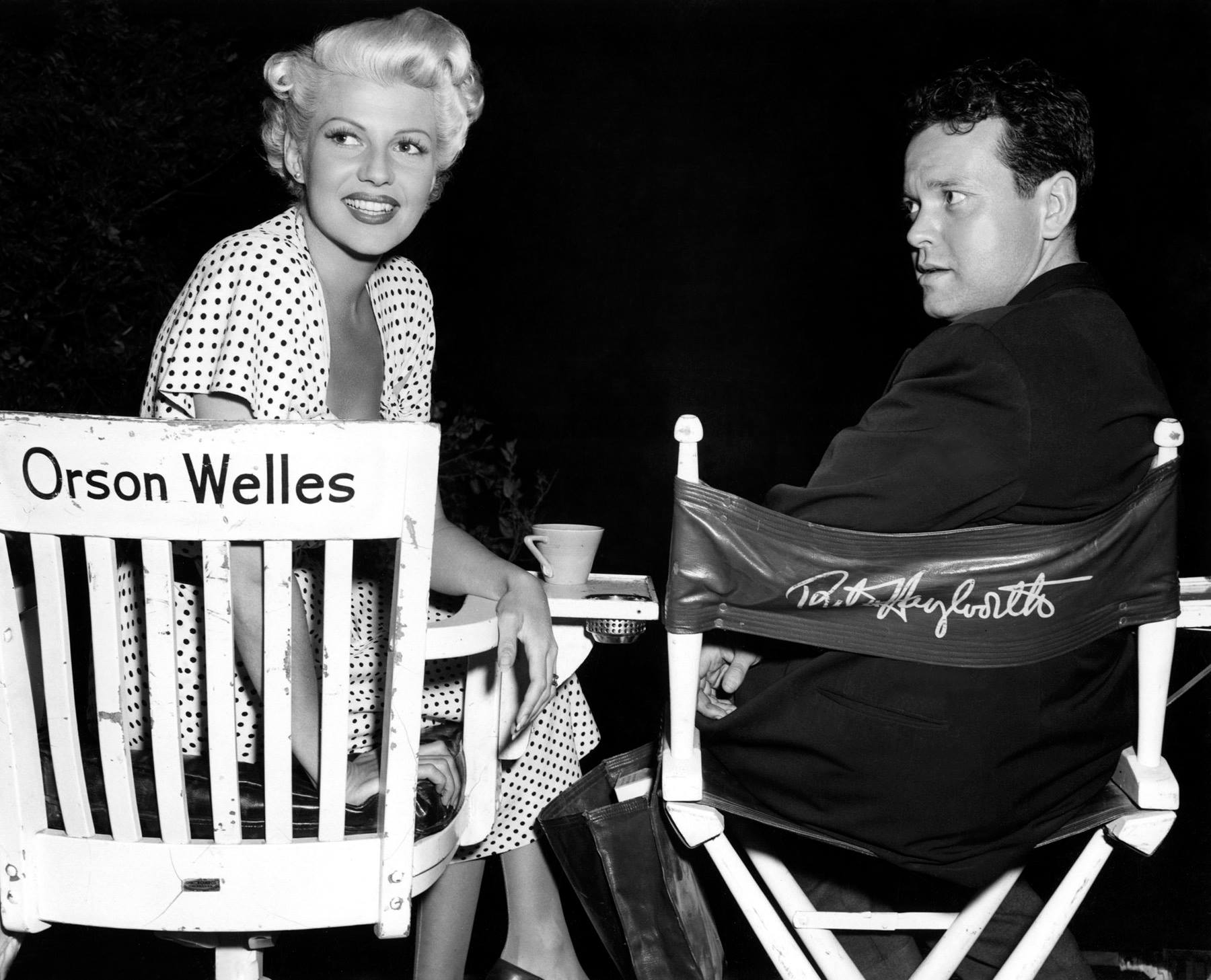
Rita Hayworth and Orson Welles take a break during the filming of THE LADY FROM SHANGHAI.
Click on the image to enlarge.
 Blowhard, Esq.
 Callowman
 Sherbrooke
 Eddie Pensier
 Enzo Nakamura
 Epaminondas
 Fabrizio del Wrongo
 Fenster
 Brundle Guy
 Glynn Marshes
 Paleo Retiree
 Atypical Neurotic
 Question Lady
 Sax von Stroheim
 Sir Barken Hyena
 The Mistaken
 Uncouth Reflections